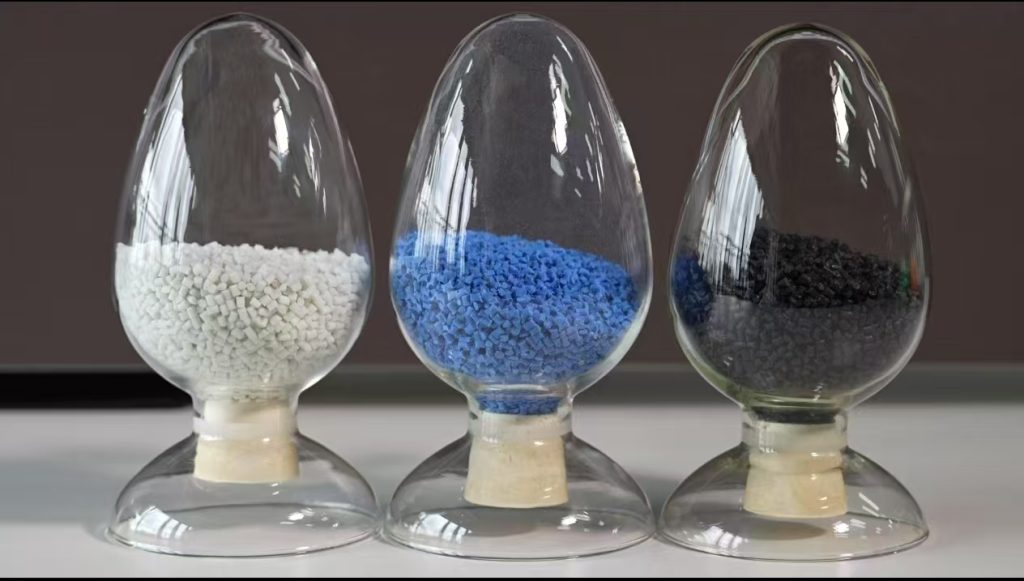
Selecting between Nylon 6 and Nylon 66 is one of the most common material decisions in engineering plastics. Both are polyamides with strong mechanical properties, but they serve different application needs. Here’s a practical comparison to help you decide.
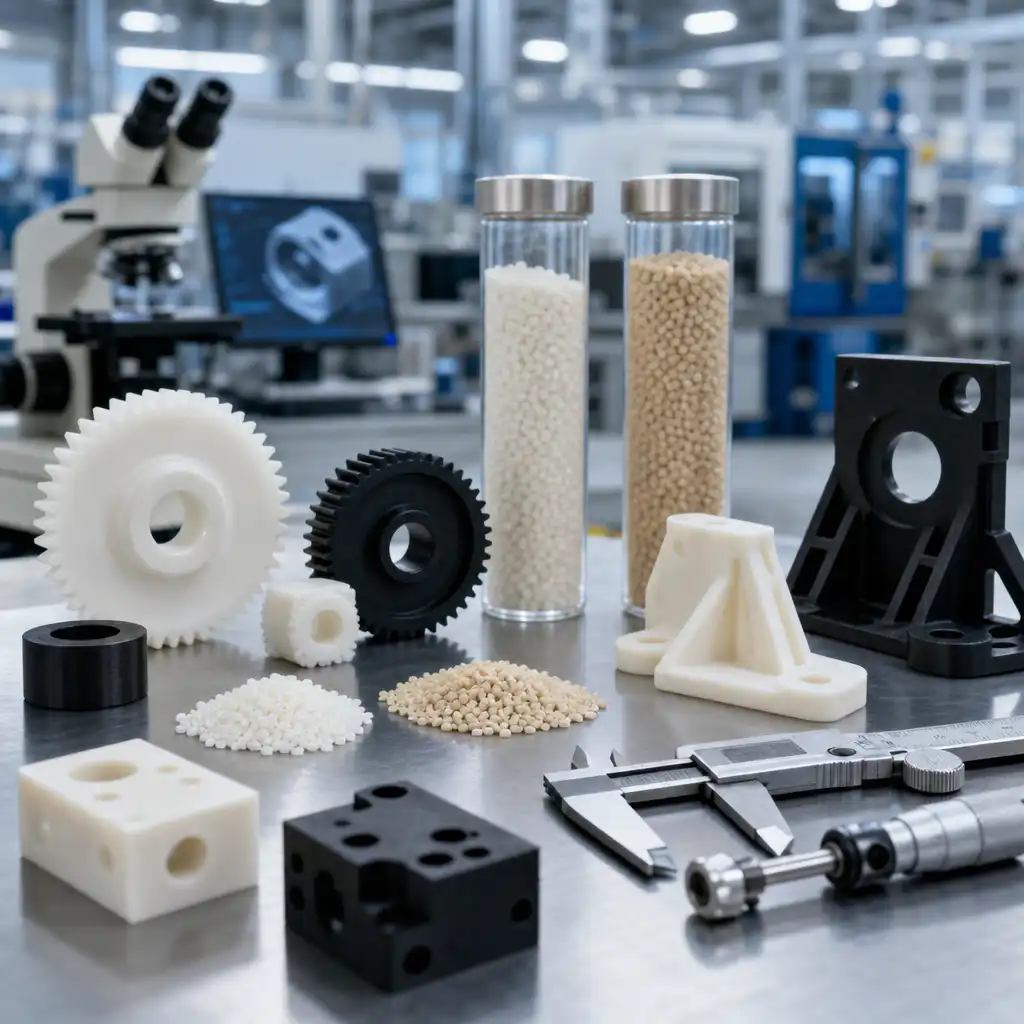
Тепловые свойства
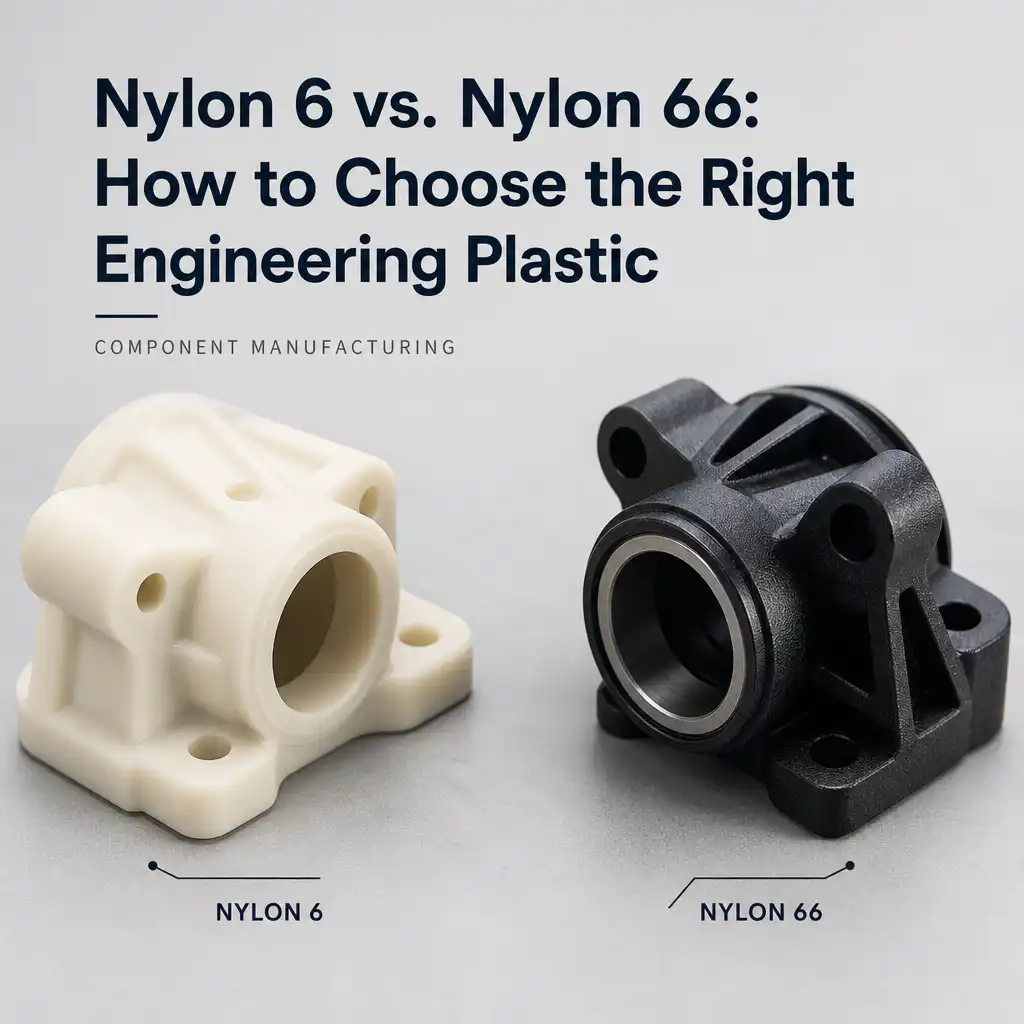
Nylon 66 has a higher melting point (265°C) compared to Nylon 6 (220°C), giving it better heat resistance. Parts exposed to temperatures above 100°C often perform better with Nylon 66. Nylon 6 is more susceptible to degradation in high-heat environments.
Механическая прочность
Nylon 66 offers superior tensile strength and modulus, making it ideal for high-load structural components. Nylon 6 absorbs more moisture and has better impact resistance at room temperature, which is advantageous for parts requiring toughness.
Поглощение влаги
Nylon 6 absorbs more moisture than Nylon 66 (9-10% vs. 6.5-8% saturation). This affects dimensional stability in humid environments. If moisture resistance is critical, Nylon 66 with glass fiber reinforcement may be preferable.
Processing and Cost
Nylon 6 processes at lower temperatures, reducing energy costs and mold wear. It’s generally more cost-effective for general-purpose applications. Nylon 66 requires higher processing temperatures but offers better surface finish and stiffness retention.
Рекомендации по применению
- Choose Nylon 6: General mechanical parts, consumer products, 3D printing filaments, where cost efficiency and impact toughness are priorities
- Choose Nylon 66: Automotive engine components, high-temperature applications, precision engineering parts requiring dimensional stability
Carbon Fiber Reinforced Variants
Both Nylon 6 and Nylon 66 can be reinforced with carbon fiber. Carbon fiber reinforcement significantly improves strength-to-weight ratio, reduces thermal expansion, and enhances dimensional stability. For 3D printing applications, carbon fiber reinforced Nylon 6 (PA6-CF) is widely available and offers excellent printability.
Заключение
Neither material is universally superior. Nylon 66 excels in heat resistance and structural stiffness; Nylon 6 offers better impact resistance and cost efficiency. Your choice should be based on operating temperature, load requirements, environmental conditions, and budget constraints.
At Nylonplastic, we supply both Nylon 6 and Nylon 66 materials in various grades, including glass fiber and carbon fiber reinforced formulations. We also provide CNC machining and 3D printing services using these materials.
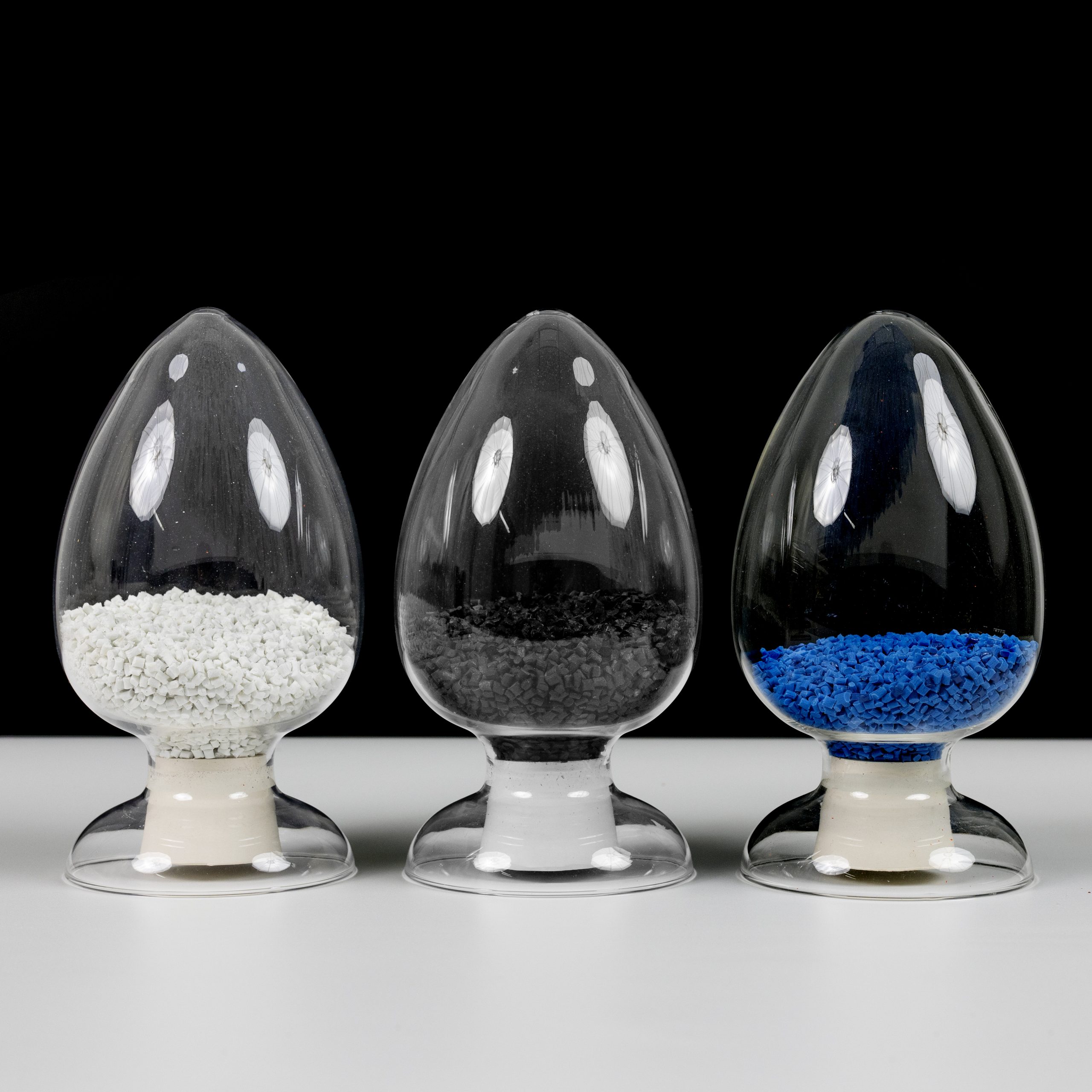
Готовы к закупкам? Компания Nylonplastic поставляет все материалы, описанные в данном руководстве, — как стандартных, так и изготовленных по индивидуальному заказу, с сертификатами качества IATF 16949, ISO 9001 и ISO 14001. Запросить расценки →