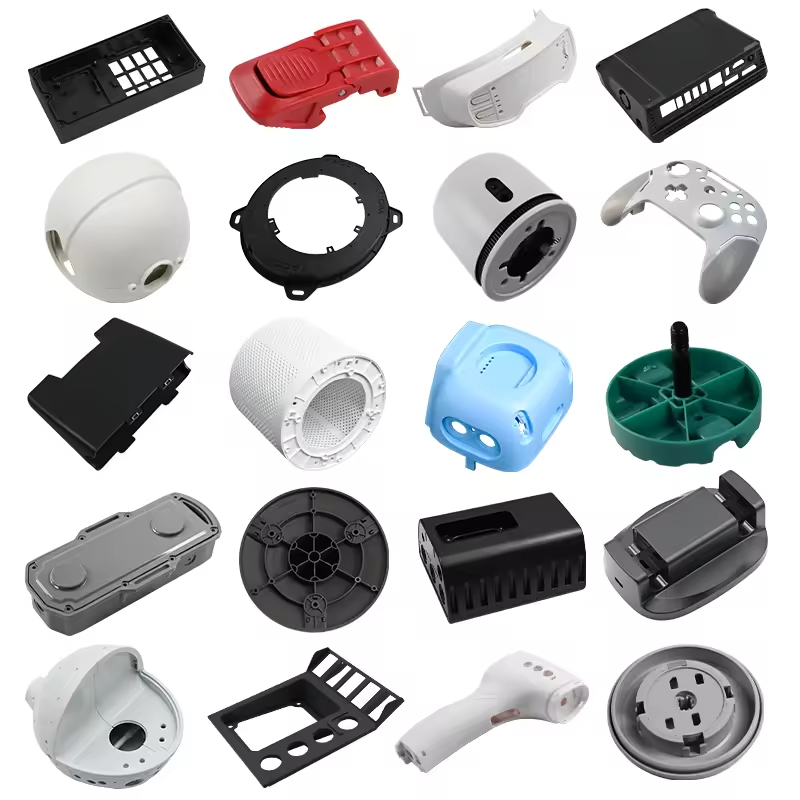
Medical molding compliance is usually decided before the first sample comes off the press. If the resin lot is unclear, the process window is loose, or the documentation trail is weak, the part may pass visually and still fail the program later.
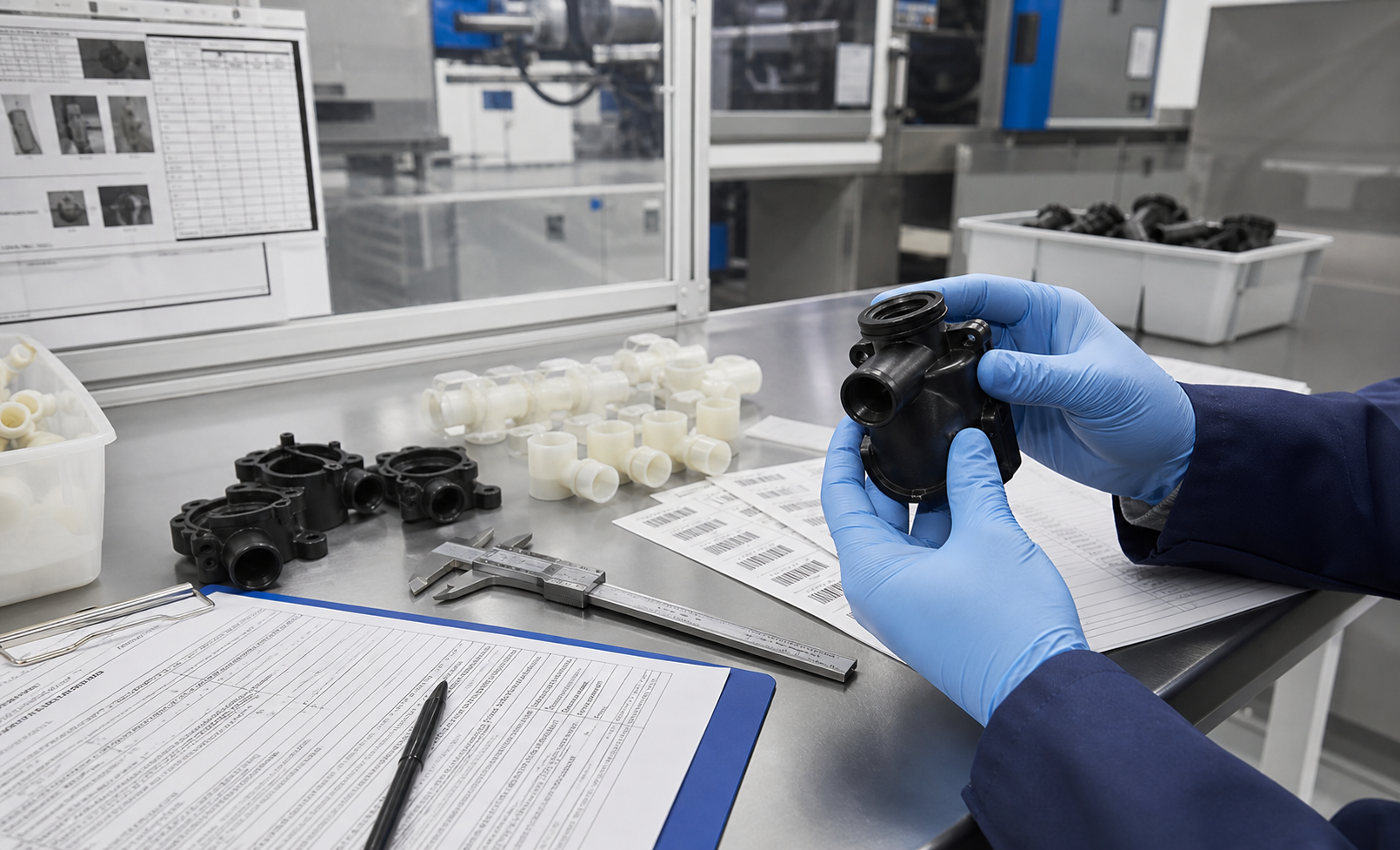
Engineers usually look first at traceability, change control, sterilization exposure, dimensional stability and whether the supplier can prove the same result from lot to lot. That is the real compliance test, not just a clean-looking part on the bench.
Краткий обзор
| Требование | What to Confirm | Почему это важно |
|---|---|---|
| Material traceability | Resin batch records and approved source | Essential for regulated part history |
| Документация | Inspection, change control and process records | Supports qualification and audits |
| Sterilization review | Method and exposure conditions | Some plastics degrade or move after sterilization |
| Dimensional control | Critical features and sampling plan | Medical assemblies often have low tolerance for drift |
| Supplier discipline | Clean handling, segregation and communication | Reduces program risk beyond the part itself |
What Buyers Should Review Before Tooling
Medical plastic molding programs usually begin with more questions than a standard industrial quote. The buyer should define whether the part is patient-contact, device-internal, single-use or repeatedly sterilized, because those conditions change the material and documentation path.
The correct resin is only part of the answer. Process control, approved change procedures and evidence handling are what make a supplier usable in a compliance-driven program.
Core Compliance Checks
- Define the actual device role: internal, external, disposable or reused.
- Clarify sterilization method early: gamma, EtO, steam and other routes affect resin suitability differently.
- Confirm resin source control: not all equivalent trade names are interchangeable in regulated programs.
- Request documentation scope up front: do not assume records will be available later.
- Separate commercial speed from validation discipline: rushed sampling can create downstream approval delays.
Common Supplier Risks and Fixes
| Риск | Причина | Практическое решение |
|---|---|---|
| Material substitution risk | Supplier treats approved resin as flexible | Lock approved sources and document change control |
| Post-sterilization dimensional drift | Material not reviewed for the real sterilization route | Validate sterilization effect before production signoff |
| Audit weakness | Records are incomplete or inconsistent | Request documentation examples before approving the supplier |
| Assembly yield loss | Critical features not tied to a focused control plan | Define measurement points and acceptance method before tooling trials |
Medical Molding vs General Industrial Molding
Medical molding compliance demands more discipline in documentation, source control and change management than a general industrial plastic program. A supplier who can mold the shape is not necessarily a supplier who can support the compliance burden around it.
Почему стоит выбрать нейлоновый пластик
Nylon Plastic helps buyers evaluate whether a molding route and supplier package are commercially and technically realistic before they commit to the next validation step. That prevents the common problem of approving a capable molder with an incomplete documentation system.
Medical Molding Supplier Evidence Checklist
| Control | Доказательства, которые необходимо запросить |
|---|---|
| Material identity | Exact resin grade, lot traceability, CoA and change notification |
| Process validation | Approved mold, process window, setup record and revalidation trigger |
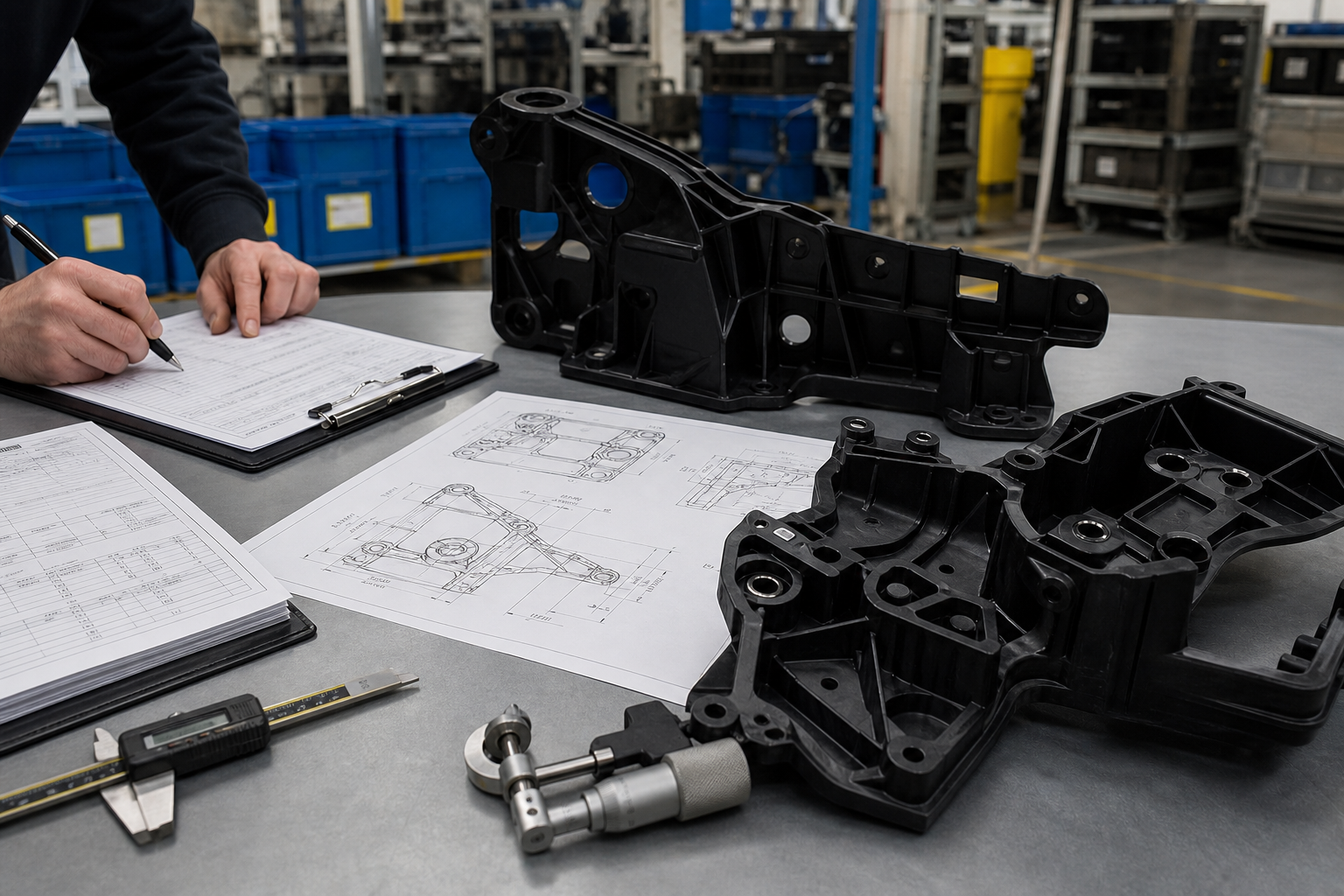
| Inspection | Ballooned drawing, gauge or CMM plan, sampling and nonconformance process |
| Sterilization | Method, cycles, temperature, chemistry and post-sterilization dimensional checks |
Compliance depends on the device risk and intended use, not on the phrase “medical grade” alone. Align the material, tooling, process, inspection and supplier quality records before production release.
Related Reading
- FDA-Compliant Plastic Injection Molding
- Услуги по ЧПУ-обработке пластиковых изделий медицинского назначения
- Руководство по соответствию требованиям к пищевым пластикам
- RoHS and REACH Compliance for Plastic Parts
- Пластиковые детали, изготовленные по индивидуальному проекту
Часто задаваемые вопросы
Что входит в требования к производству медицинских изделий методом литья?
Сюда входят отслеживание происхождения смолы, контроль документации, обеспечение стабильности технологического процесса, анализ процедур стерилизации и управление сменой поставщиков.
Достаточно ли сертификации материала для медицинской детали, изготовленной методом литья?
Нет. Сертификация материалов имеет значение, но не менее важны также документация поставщиков, контроль технологических процессов и подтверждающая документация по валидации.
Почему перед изготовлением инструментов необходимо провести проверку стерилизации?
Поскольку стерилизация может повлиять на механические свойства, размеры и совместимость с полимером, что, в свою очередь, влияет на выбор метода формования.
Может ли предприятие, занимающееся литьем пластмасс общего назначения, производить детали для медицинской промышленности?
Только в том случае, если поставщик способен обеспечить необходимую документацию и соблюдение технологической дисциплины в рамках программы, а не ограничиваться лишь самим процессом литья.
Что нужно предоставить для экспертизы медицинских изделий, изготовленных методом литья?
Пришлите чертеж, целевой материал из смолы, назначение устройства, метод стерилизации, план объёмов и требования к документации.
Send the part drawing and compliance context if you want help assessing the supplier path before tooling approval.