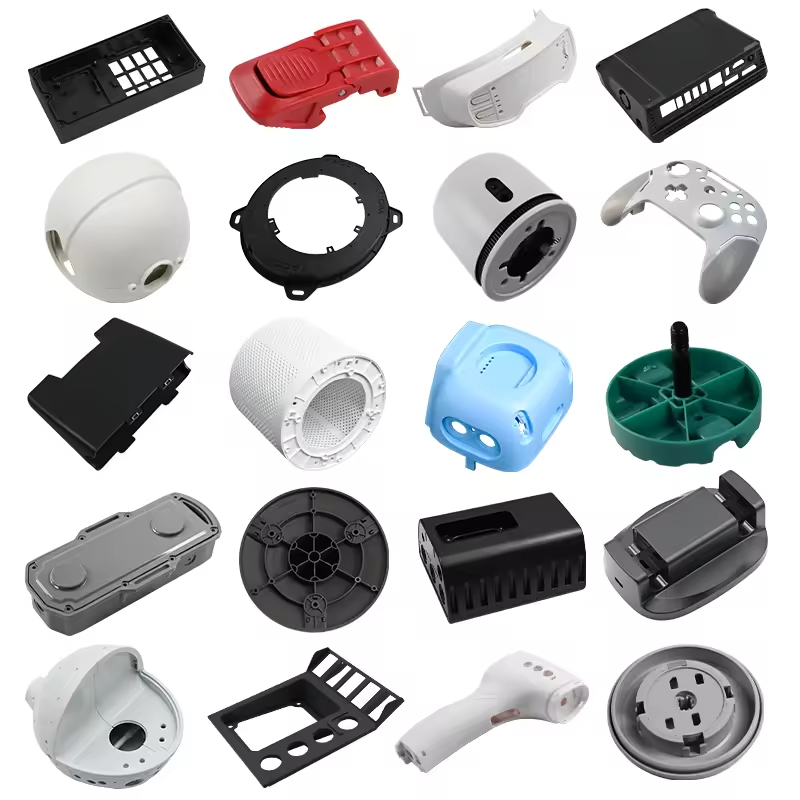
IMD IML technology helps manufacturers combine durable graphics, labels, and molded plastic parts in one controlled production process.
Introduction: The Technology Landscape for Decorated Plastic Parts
In mold decoration helps combine graphics, labels, and molding into one process for durable branded plastic parts.
This guide focuses on IMD and IML technology for practical material selection, manufacturing review, and sourcing decisions.
When manufacturing plastic parts that require graphics, textures, or branding, engineers face a critical choice: apply decoration after molding or integrate it during the molding process itself. Traditional post-molding methods like painting, pad printing, screen printing, and hot stamping each have their place ??but they also introduce additional process steps, labor costs, and quality variability. In-mold decoration technologies flip this paradigm by embedding the decorative layer into the part during injection molding, delivering integrated durability that no post-applied coating can match.
In mold decoration helps combine graphics, labels, and molding into one process for durable branded plastic parts.
Three dominant in-mold technologies have emerged to serve different application needs and budgets: IMD (In-Mold Decoration), IML (In-Mold Labeling), и IMF (In-Mold Film). While often confused or used interchangeably, each process has distinct capabilities, material requirements, and cost profiles. This guide provides a comprehensive technical reference for product designers, mold engineers, and procurement teams evaluating these technologies for their next project.
Introduction: The Technology Landscape for Decorated Plastic Parts
In mold decoration helps combine graphics, labels, and molding into one process for durable branded plastic parts.
When manufacturing plastic parts that require graphics, textures, or branding, engineers face a critical choice: apply decoration after molding or integrate it during the molding process itself. Traditional post-molding methods like painting, pad printing, screen printing, and hot stamping each have their place ??but they also introduce additional process steps, labor costs, and quality variability. In-mold decoration technologies flip this paradigm by embedding the decorative layer into the part during injection molding, delivering integrated durability that no post-applied coating can match.
In mold decoration helps combine graphics, labels, and molding into one process for durable branded plastic parts.
Three dominant in-mold technologies have emerged to serve different application needs and budgets: IMD (In-Mold Decoration), IML (In-Mold Labeling), и IMF (In-Mold Film). While often confused or used interchangeably, each process has distinct capabilities, material requirements, and cost profiles. This guide provides a comprehensive technical reference for product designers, mold engineers, and procurement teams evaluating these technologies for their next project.
What is IMD (In-Mold Decoration)?
In mold decoration helps combine graphics, labels, and molding into one process for durable branded plastic parts.
IMD (In-Mold Decoration) is a premium surface finishing process where a pre-printed, pre-formed decorative film is placed into the injection mold cavity before resin is injected. The film fuses with the molten plastic during injection, becoming a permanent, integral part of the component surface. The result is a decorated part that requires zero post-processing ??no painting, no printing, no coating.
In mold decoration helps combine graphics, labels, and molding into one process for durable branded plastic parts.
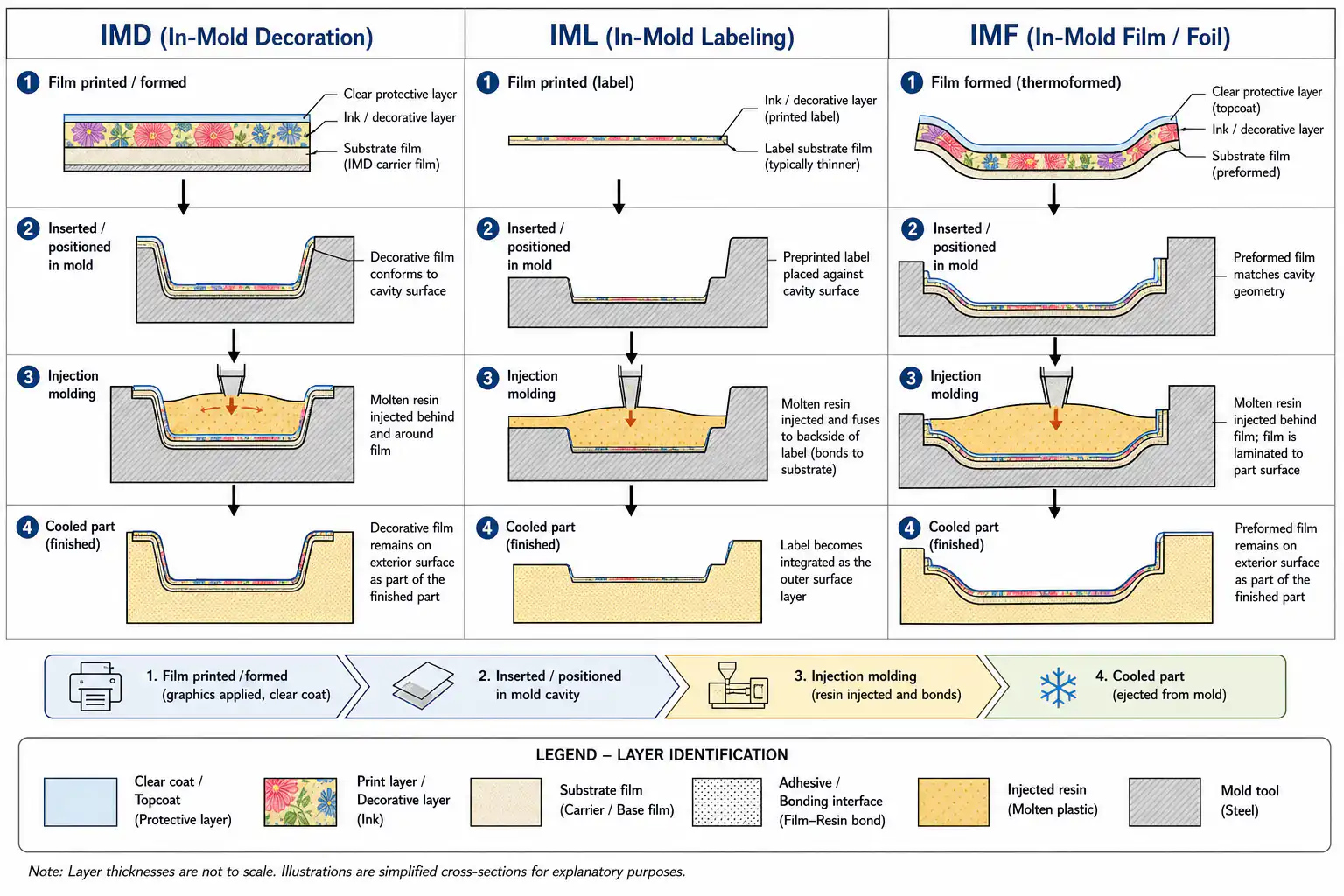
The complete IMD process flow follows five steps: (1) Print the decorative pattern onto a flat carrier film using screen printing or digital printing; (2) Form the printed film into a 3D shape matching the mold cavity using thermoforming or high-pressure forming; (3) Trim the formed film to precise dimensions using die cutting or laser trimming; (4) Place the trimmed film insert into the injection mold cavity, held in position by static charge or vacuum; (5) Inject molten resin behind the film, bonding it to the plastic substrate as the part solidifies.
In mold decoration helps combine graphics, labels, and molding into one process for durable branded plastic parts.
Typical film materials for IMD include polycarbonate (PC) film and PET film, both selected for their thermoformability, ink adhesion, and optical clarity. PC film dominates high-end applications due to its superior heat resistance and impact strength, while PET film offers a cost advantage for less demanding environments.
In mold decoration helps combine graphics, labels, and molding into one process for durable branded plastic parts.
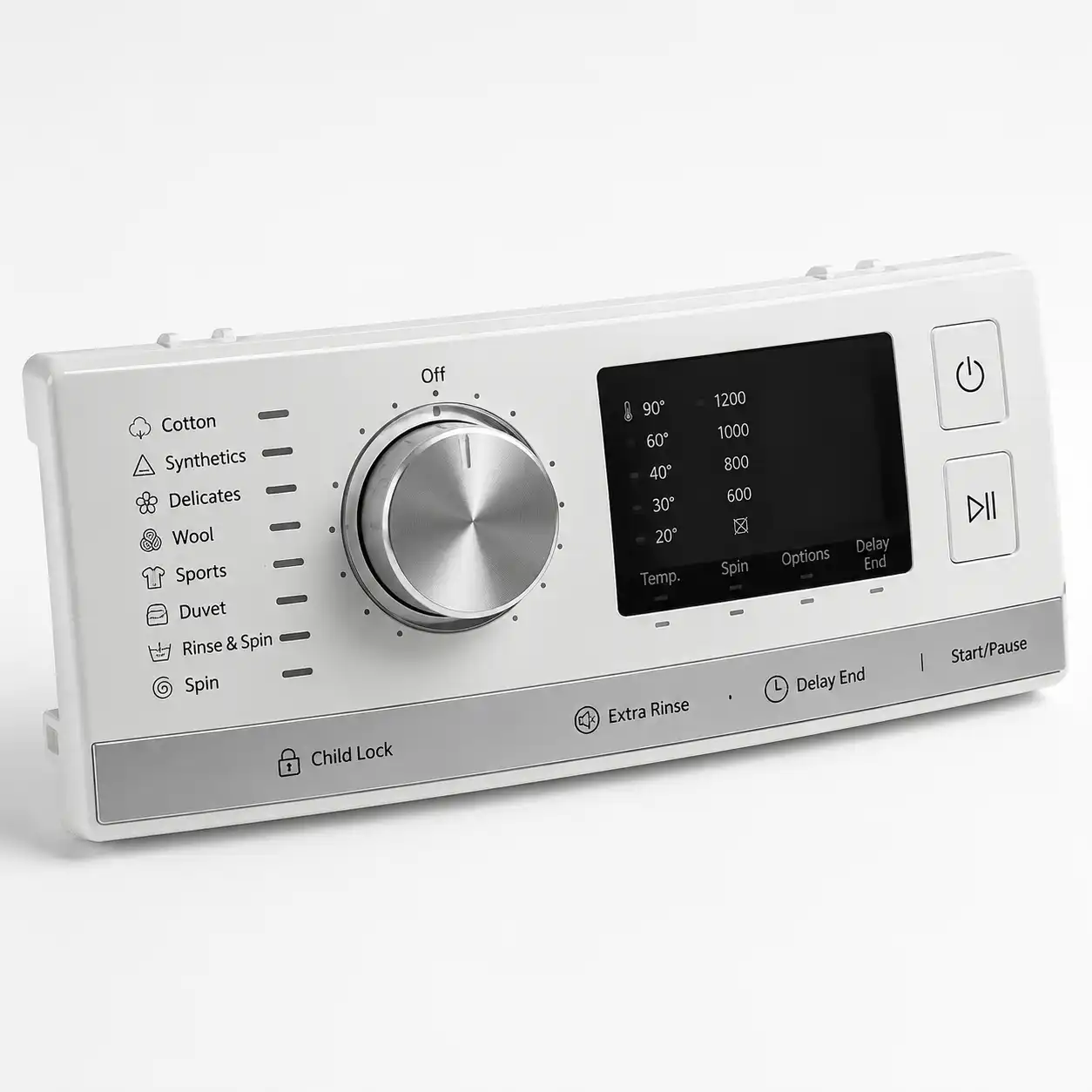
Common IMD applications span automotive interior trim (center console bezels, door panel inserts), appliance control panels (washing machines, microwave ovens), consumer electronics (laptop covers, phone cases), and medical device user interfaces. Any application where the decorated surface must withstand years of finger contact, cleaning chemicals, and UV exposure is a strong candidate for IMD.
What is IML (In-Mold Labeling)?
In mold decoration helps combine graphics, labels, and molding into one process for durable branded plastic parts.
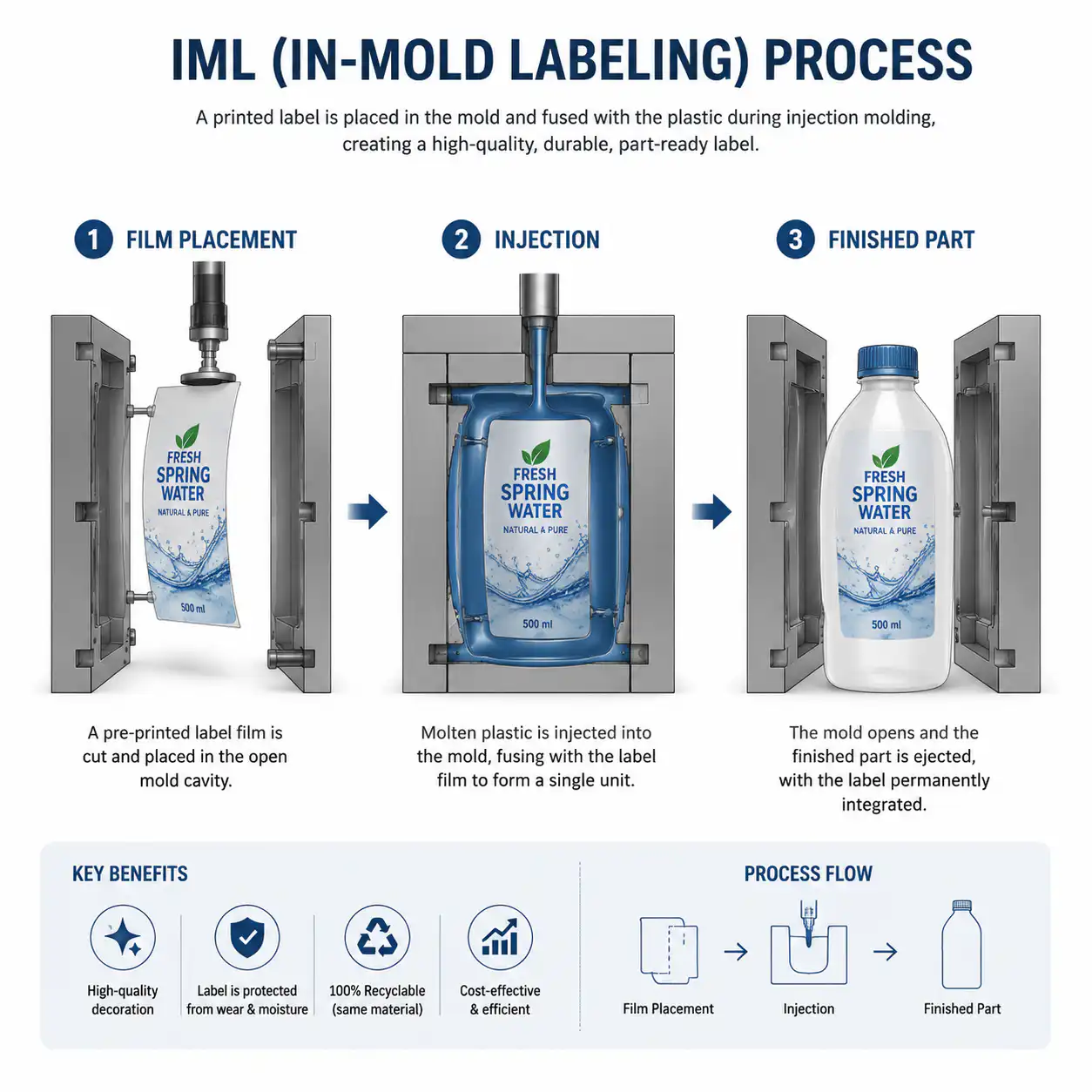
IML (In-Mold Labeling) is a related but fundamentally different process. Instead of pre-forming a 3D film, IML uses a flat, printed label that is placed directly into the mold cavity. The label is typically made from the same or compatible polymer family as the injected resin ??most commonly PP or PE film for polypropylene and polyethylene parts. When molten resin fills the cavity, the label fuses to the part surface without requiring prior forming.
In mold decoration helps combine graphics, labels, and molding into one process for durable branded plastic parts.
The IML process is simpler than IMD: (1) Print graphics onto flat PP or PE label stock; (2) Cut the label to shape; (3) Place the flat label into the mold cavity using robotic pick-and-place or manual insertion; (4) Inject resin, which bonds the label to the part during molding. Unlike IMD, there is no thermoforming step, which significantly reduces tooling investment and cycle time.
In mold decoration helps combine graphics, labels, and molding into one process for durable branded plastic parts.
Material matching is critical in IML. The label substrate must be chemically compatible with the injected resin to achieve a true melt bond. PP labels with PP resin and PE labels with PE resin produce the strongest fusion. Attempting IML with dissimilar polymers can result in delamination over time.
In mold decoration helps combine graphics, labels, and molding into one process for durable branded plastic parts.
IML applications dominate the packaging and consumer goods sectors: food containers with permanent branding, ice cream tubs, paint buckets, household appliance fascia, and durable goods labels. IML excels in high-volume production where unit cost is the primary driver and the decorated surface is relatively flat.
What is IMF (In-Mold Film)?
In mold decoration helps combine graphics, labels, and molding into one process for durable branded plastic parts.
IMF (In-Mold Film) occupies the middle ground between fully formed IMD and flat-label IML. In the IMF process, a continuous roll of printed film is fed into the mold, where it is formed in-situ by the closing mold or a pre-forming station integrated into the tool. The distinction from IMD is that IMF typically uses thinner films and less aggressive forming, making it well-suited for parts with gentle curves rather than deep draws.
In mold decoration helps combine graphics, labels, and molding into one process for durable branded plastic parts.
IMF is particularly prominent in automotive interior applications, where it decorates instrument panel trim, door handles, steering wheel bezels, and HVAC control panels. The technology delivers a premium “soft-touch” appearance with metallic, wood-grain, or carbon-fiber effects at a cost between IML and full IMD. IMF can also incorporate capacitive touch sensors behind the decorative film, enabling backlit, touch-sensitive control surfaces that are increasingly common in modern vehicle cockpits.
In mold decoration helps combine graphics, labels, and molding into one process for durable branded plastic parts.
The key advantage of IMF is its continuous, automated workflow: film feeds from roll stock, forming and injection happen in a single tool, and finished parts eject automatically. This minimizes labor and maximizes throughput compared to IMD’s manual or semi-automated film insertion.
IMD vs IML vs IMF: Technology Comparison Table
| Параметр | IMD | IML | IMF |
|---|---|---|---|
| Scratch Resistance | Excellent ??hard-coated film surface | Good ??label surface exposed | Very Good ??coated film |
| UV Resistance | Excellent ??UV-stabilized PC/PET film | Good ??dependent on ink system | Very Good ??UV-stabilized film |
| Химическая стойкость | Excellent ??resists cleaners, solvents | Moderate ??label edge vulnerable | Very Good ??film barrier |
| Max Curvature / Draft | Complex 3D curves possible; min draft 3-5 degrees | Flat to gentle curves only; min draft 1-2 degrees | Gentle to moderate curves; min draft 2-3 degrees |
| Время цикла | 30-60 seconds (film insertion adds time) | 15-30 seconds (fastest, no forming) | 20-40 seconds (automated feed) |
| Стоимость оснастки | High ??forming tool + trim die + mold | Low ??mold only (label is flat) | Medium ??integrated forming + mold |
| Piece Cost at Scale | $$$ ??pre-formed film is expensive | $ ??label stock is economical | $$ ??roll film mid-range |
| Лучшие приложения | Automotive interiors, premium electronics, medical UI | Packaging, containers, household goods, flat panels | Automotive trim, appliance panels, touch-control surfaces |
Design Guidelines for In-Mold Decoration
In mold decoration helps combine graphics, labels, and molding into one process for durable branded plastic parts.
Successful in-mold decoration starts with mold-friendly part design. Ignoring these guidelines leads to film wrinkling, ink washout, delamination, and costly tooling rework.
In mold decoration helps combine graphics, labels, and molding into one process for durable branded plastic parts.
Film Thickness: Standard IMD films range from 0.125mm to 0.5mm. Thinner films (0.125-0.25mm) are easier to form around tight radii but offer less scratch resistance. Thicker films (0.375-0.5mm) deliver superior durability but require larger draft angles and gentler geometry. IML labels are typically 0.05-0.15mm thick and cannot be formed ??they must lay flat or wrap only around simple cylindrical surfaces.
In mold decoration helps combine graphics, labels, and molding into one process for durable branded plastic parts.
Draft Angle Minimums: For IMD parts, specify minimum 3 degrees of draft on all surfaces covered by the film insert. Complex 3D forms may require 5 degrees or more. Insufficient draft causes the formed film to wrinkle during mold closing. IML parts can use standard 1-2 degree draft since the label is flat.
In mold decoration helps combine graphics, labels, and molding into one process for durable branded plastic parts.
Corner Radius Limits: The minimum internal corner radius for IMD film is 3x the film thickness. For a 0.25mm film, the smallest allowable internal radius is 0.75mm. External corners should be at least 1.5x film thickness. Sharper corners cause film thinning, stress concentration, and premature wear at the decorated edge.
In mold decoration helps combine graphics, labels, and molding into one process for durable branded plastic parts.
Logo Placement No-Go Zones: Avoid placing critical graphics or logos within 3mm of gate locations, ejector pin marks, and parting lines. Ink washout is most severe near the gate, where molten resin velocity is highest. Ejector pin locations and parting lines create surface discontinuities that distort printed graphics.
In mold decoration helps combine graphics, labels, and molding into one process for durable branded plastic parts.
Дизайн ворот: Use fan gates or film gates rather than pin gates for IMD parts. The gate should direct melt flow parallel to the film surface, never perpendicular. Perpendicular impingement washes ink away and can puncture the film.
Material Compatibility: Which Resins Work with IMD and IML?
In mold decoration helps combine graphics, labels, and molding into one process for durable branded plastic parts.
Not all plastics are compatible with in-mold decoration. The critical factor is the bond between the film/label substrate and the injected resin. Without a strong interfacial bond, the decoration will delaminate under thermal cycling, mechanical stress, or chemical exposure.
In mold decoration helps combine graphics, labels, and molding into one process for durable branded plastic parts.
IMD Resin Compatibility: IMD uses PC or PET carrier films, which bond well with amorphous thermoplastics: polycarbonate (PC) ??the gold standard for IMD, delivering near-perfect optical clarity and fusion bonding; PC/ABS blends ??widely used in automotive interiors for impact resistance; PMMA (acrylic) ??for high-gloss, scratch-resistant surfaces; and ABS ??a cost-effective option for less demanding applications. Semi-crystalline resins like PP and PE do not bond reliably with PC or PET films and should be avoided for IMD.
In mold decoration helps combine graphics, labels, and molding into one process for durable branded plastic parts.
IML Resin Compatibility: IML relies on chemical compatibility between label and resin. The rule is simple: use PP labels with PP resin, PE labels with PE resin, и PET labels with PET resin. Compatible blends include PP labels with TPE (thermoplastic elastomer) overmolding for soft-touch grips. IML is inherently limited to polyolefin and polyester resin families, making it unsuitable for PC, ABS, or PMMA parts.
In mold decoration helps combine graphics, labels, and molding into one process for durable branded plastic parts.
IMF Resin Compatibility: IMF typically uses the same PC and PET film stock as IMD, giving it the same resin compatibility envelope. PC, PC/ABS, and PMMA are all suitable. The continuous roll-feed process also works with ABS for mid-tier applications.
Quality Inspection and Testing for In-Mold Decorated Parts
In mold decoration helps combine graphics, labels, and molding into one process for durable branded plastic parts.
Validating the quality of IMD/IML parts requires a battery of tests that go beyond standard dimensional inspection. The decorated surface must survive real-world abuse far beyond what a painted or printed surface can withstand.
In mold decoration helps combine graphics, labels, and molding into one process for durable branded plastic parts.
Ink Adhesion Test (Cross-Hatch / ISO 2409): Score the decorated surface with a cross-hatch pattern of 11 parallel cuts in each direction, spaced 1mm or 2mm apart depending on coating thickness. Apply adhesive tape (3M 610 or equivalent), press firmly, and peel rapidly at a 60-degree angle. Classification ranges from 0 (perfect, no detachment) to 5 (greater than 65 percent flaking). IMD parts should achieve Class 0 or 1.
In mold decoration helps combine graphics, labels, and molding into one process for durable branded plastic parts.
Abrasion Resistance (Taber Test / ASTM D4060): Mount the decorated specimen on a Taber abraser with CS-10 or CS-17 wheels under a 500g or 1000g load. Run for 100 to 500 cycles and measure weight loss or visual degradation. High-quality IMD surfaces should show no visible wear through 100 cycles and minimal haze at 500 cycles ??dramatically outperforming painted surfaces.
In mold decoration helps combine graphics, labels, and molding into one process for durable branded plastic parts.
UV Aging (ASTM G154 / ISO 4892): Expose specimens to alternating UV-A (340nm) radiation and condensation cycles in a QUV chamber. Standard automotive interior specifications require 500-1000 hours with delta-E color change less than 3.0 and no cracking, blistering, or delamination. IMD’s UV-stabilized PC film typically passes 1000+ hours without failure.
In mold decoration helps combine graphics, labels, and molding into one process for durable branded plastic parts.
Chemical Resistance (ISO 2812): Apply common chemicals ??isopropyl alcohol, glass cleaner, sunscreen, hand lotion, automotive interior cleaners ??to the decorated surface under a watch glass for 24 hours at room temperature. After removal and 2-hour recovery, inspect for softening, swelling, discoloration, or adhesion loss. This test is particularly important for automotive and medical applications where chemical exposure is inevitable.
Applications Gallery: Where IMD and IML Shine
In mold decoration helps combine graphics, labels, and molding into one process for durable branded plastic parts.
In-mold decoration technologies appear in products you interact with every day ??often without realizing the engineering that went into that flawless graphic surface.
In mold decoration helps combine graphics, labels, and molding into one process for durable branded plastic parts.
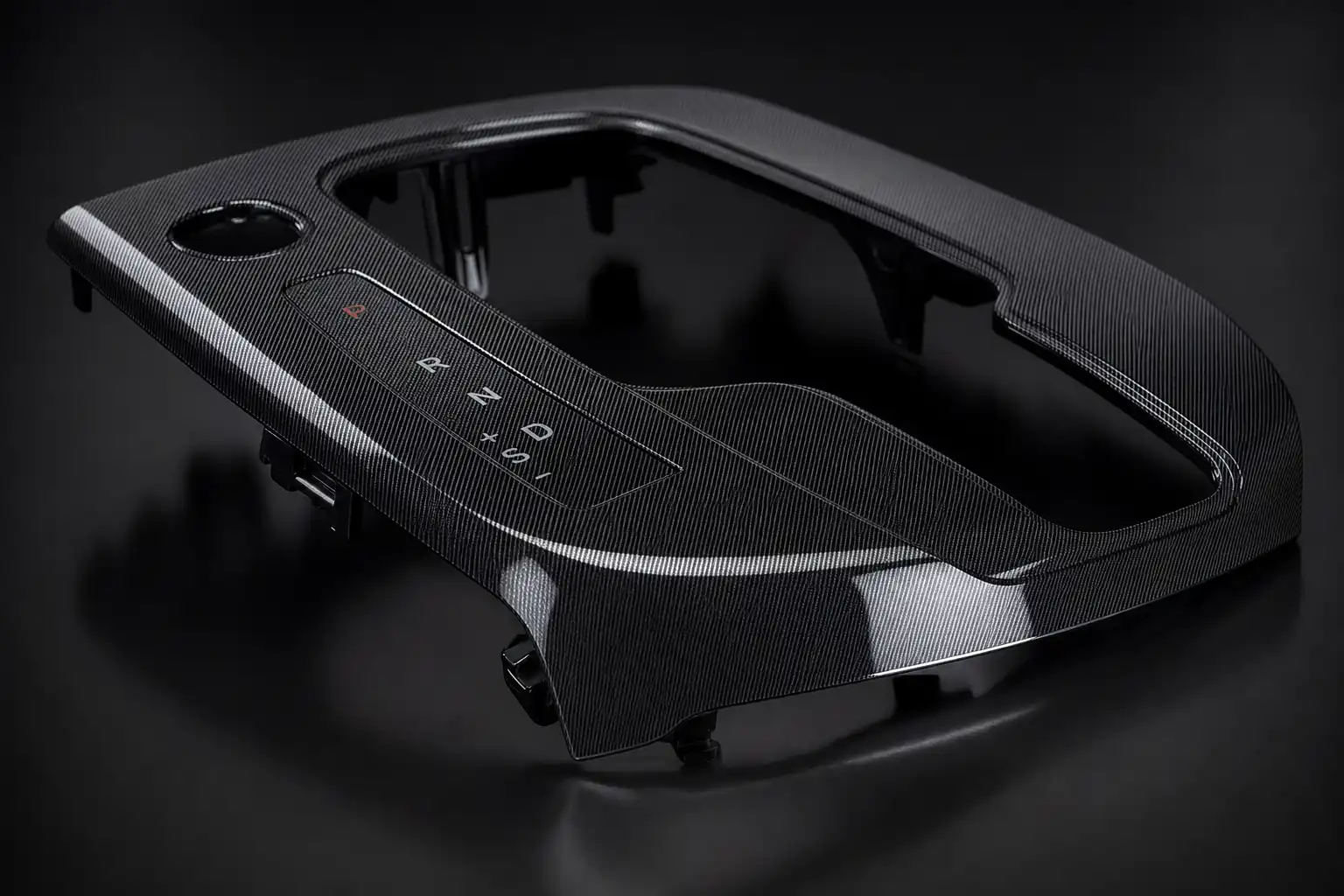
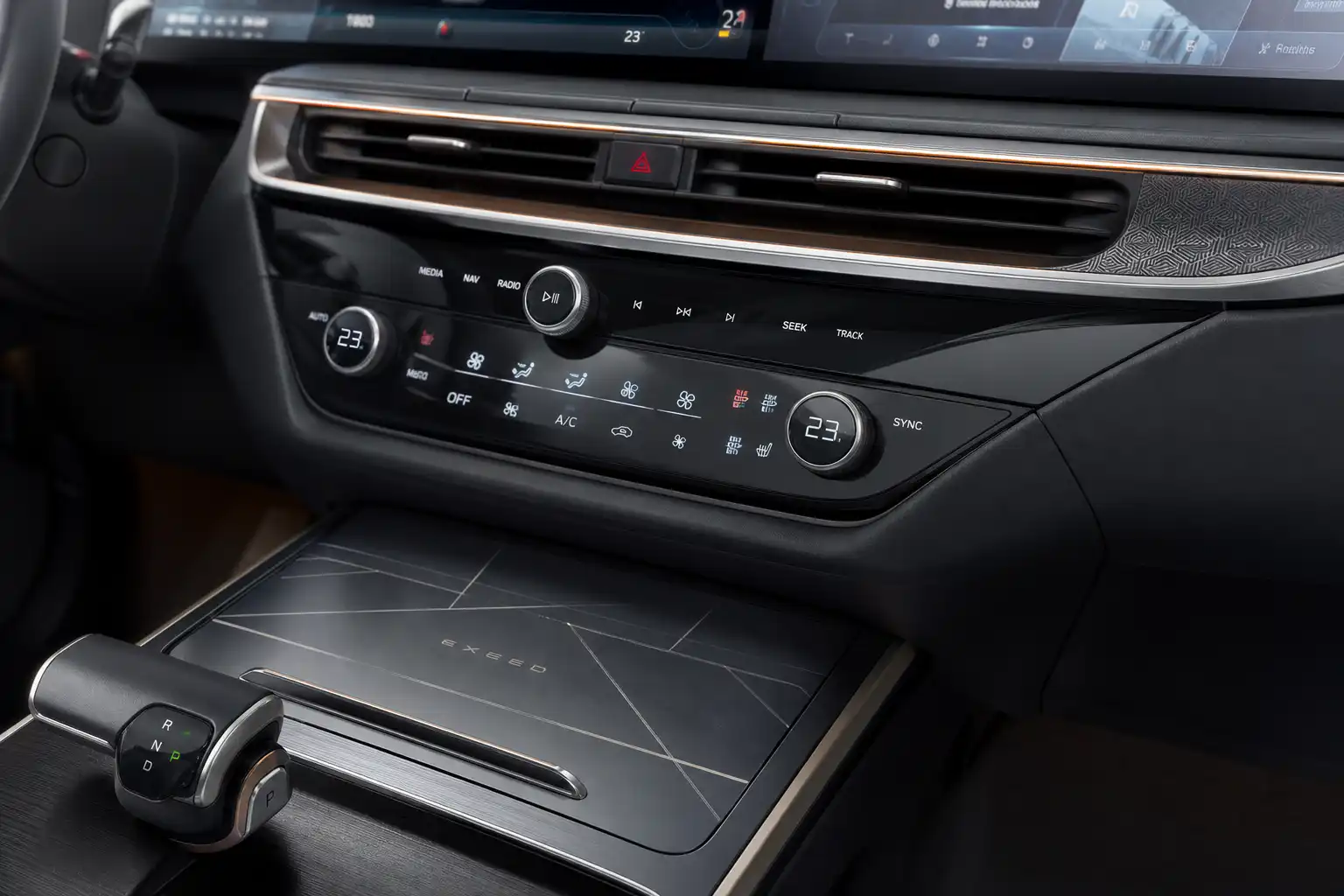
Automotive Center Consoles and Instrument Clusters: The glossy black panel surrounding your gear selector, the HVAC control face with backlit icons, the speedometer lens with printed tick marks ??these are all IMD parts. Automotive OEMs specify IMD for any surface the driver touches or sees repeatedly, demanding 10+ year durability without fading, peeling, or scratching. The integration of capacitive touch sensors behind IMD films has enabled the seamless, button-free cockpits now appearing in luxury and mid-range vehicles.
In mold decoration helps combine graphics, labels, and molding into one process for durable branded plastic parts.
Appliance Control Panels: Washing machine fascia, microwave touch panels, and refrigerator displays rely on IMD and IMF for their combination of aesthetic appeal and chemical resistance. These parts must survive daily exposure to water, detergents, cooking oils, and temperature extremes while maintaining a premium appearance for the product’s 7-15 year service life.
In mold decoration helps combine graphics, labels, and molding into one process for durable branded plastic parts.
Phone Cases and Consumer Electronics: The decorative back panel of a smartphone case with a wood-grain or carbon-fiber pattern is often an IML part. IML’s low piece cost and excellent throughput make it ideal for consumer accessories where retail price pressure is intense. High-end laptop covers and tablet backs use IMD for a deeper, richer appearance with integrated hard coating.
In mold decoration helps combine graphics, labels, and molding into one process for durable branded plastic parts.
Medical Device UI Panels: Infusion pump control panels, patient monitor bezels, and diagnostic equipment fascia demand decoration that can survive aggressive hospital-grade disinfectants. IMD’s chemical resistance and seamless surface (no edges for bacteria to harbor) make it the preferred technology for medical user interfaces. The hard-coated film withstands hundreds of wipe-down cycles without losing legibility or gloss.
In mold decoration helps combine graphics, labels, and molding into one process for durable branded plastic parts.
Cosmetic Packaging: Premium fragrance caps, lipstick cases, and compact mirrors use IMD to achieve metallic, holographic, and deep-color effects that would be impossible or prohibitively expensive with painting or plating. The ability to form the film into complex 3D geometries gives designers freedom that flat printing cannot match.
Why Choose IMD or IML Over Traditional Decoration?
In mold decoration helps combine graphics, labels, and molding into one process for durable branded plastic parts.
The decision to adopt in-mold decoration comes down to four factors: eliminating secondary operations, improving durability, enabling design complexity, and optimizing total cost.
In mold decoration helps combine graphics, labels, and molding into one process for durable branded plastic parts.
Eliminating Secondary Operations: Traditional decoration requires molding the part, then painting, printing, or hot-stamping it in separate workstations ??each adding labor, floor space, work-in-process inventory, and quality inspection steps. IMD and IML combine molding and decoration into a single operation. The part emerges from the mold complete, ready for assembly. For a production line running 500,000 parts per year, eliminating a painting line can save 2-3 full-time operators and 200 square meters of floor space.
In mold decoration helps combine graphics, labels, and molding into one process for durable branded plastic parts.
Superior Durability: Painted surfaces sit on top of the plastic substrate and can be scratched through to reveal bare plastic underneath. IMD graphics are embedded within a 0.125-0.5mm film layer that is itself bonded to the substrate. Scratching through an IMD surface requires cutting through the entire film ??far more force than removing paint. In Taber abrasion testing, IMD surfaces typically outlast painted surfaces by a factor of 5-10x.
In mold decoration helps combine graphics, labels, and molding into one process for durable branded plastic parts.
Свобода дизайна: IMD can reproduce photographic-quality images, metallic effects, wood grains, carbon fiber patterns, and even tactile textures ??all on complex 3D surfaces. Backlighting can be integrated by printing translucent windows in the film, enabling illuminated icons and ambient lighting effects that paint cannot achieve. Multi-color registration is built into the printed film with precision exceeding what robotic painting or pad printing can deliver.
In mold decoration helps combine graphics, labels, and molding into one process for durable branded plastic parts.
Cost Comparison with Painted Parts: At low volumes (under 5,000-10,000 units), painting is typically cheaper due to the high tooling investment required for IMD film forming and trimming. Above 10,000 units, the elimination of painting labor and reduced scrap rates make IMD increasingly competitive. At volumes exceeding 50,000 units, IML often achieves the lowest total cost, while IMD remains cost-competitive for premium applications where the enhanced durability and appearance justify the investment. The break-even for IMD versus painting is typically reached at 15,000-25,000 units depending on part complexity and surface area.
Часто задаваемые вопросы
В чём заключается разница между IMD и IML?
In mold decoration helps combine graphics, labels, and molding into one process for durable branded plastic parts.
The fundamental difference is that IMD (In-Mold Decoration) uses a pre-formed 3D film insert that is thermoformed to match the mold cavity shape before injection, while IML (In-Mold Labeling) uses a flat, unformed label placed directly into the mold. This leads to distinct trade-offs: IMD supports complex 3D surfaces and delivers premium durability but has higher tooling cost and longer cycle times; IML is faster and cheaper per part but is limited to flat or gently curved surfaces. IMD typically uses PC or PET film matched with PC, PC/ABS, or PMMA resin, whereas IML uses PP or PE labels matched with the corresponding polyolefin resin.
Can IMD or IML be applied to curved surfaces?
In mold decoration helps combine graphics, labels, and molding into one process for durable branded plastic parts.
Yes, but the degree of curvature depends on the technology. IMD excels on complex 3D surfaces ??the film is thermoformed into the desired shape before molding, allowing deep draws, compound curves, and wrapped edges. Minimum internal radii should be at least 3x the film thickness, and draft angles should be 3-5 degrees minimum. IML is limited to flat surfaces and simple cylindrical wraps; the flat label cannot be pre-formed, so it can only conform to gentle single-axis curves during injection. IMF sits between the two, handling gentle to moderate 3D curves through in-situ forming in the mold. For highly contoured parts like automotive center console bezels, IMD is the only viable choice.
How durable is IMD decoration compared to painting?
In mold decoration helps combine graphics, labels, and molding into one process for durable branded plastic parts.
IMD decoration is significantly more durable than painted surfaces across all relevant metrics. In Taber abrasion testing, IMD hard-coated film surfaces typically withstand 5-10x more cycles before visible wear appears compared to painted surfaces. The decorative layer in IMD is embedded within a protective film 0.125-0.5mm thick, whereas paint sits as a thin layer (typically 15-50 microns) on the surface. UV resistance is also superior: UV-stabilized PC film in IMD passes 1,000+ hours of QUV accelerated weathering with minimal color shift, while painted surfaces often show noticeable fading or chalking at 500 hours. Chemical resistance to common agents like isopropyl alcohol, glass cleaners, and sunscreen is excellent for IMD ??these same chemicals can soften or strip paint within hours of contact.
What is the minimum order quantity for IMD parts?
In mold decoration helps combine graphics, labels, and molding into one process for durable branded plastic parts.
There is no fixed minimum order quantity for IMD parts, but economic viability thresholds vary by process. For IMD, the tooling investment ??including the forming tool, trim die, and injection mold ??typically ranges from $15,000 to $60,000 depending on part complexity. This makes IMD most cost-effective at volumes above 10,000-15,000 units, where the tooling amortization per part becomes manageable. IML has lower tooling costs (typically $5,000-$20,000 for the mold and label-cutting die) and can be economical at volumes as low as 5,000 units. For prototyping and very low volumes (under 1,000 units), alternative decoration methods like digital printing with clear-coat overlay or In-Mold Transfer (IMT) may be more practical. Many IMD suppliers offer bridge tooling options for pilot runs of 500-2,000 units before committing to full production tooling.