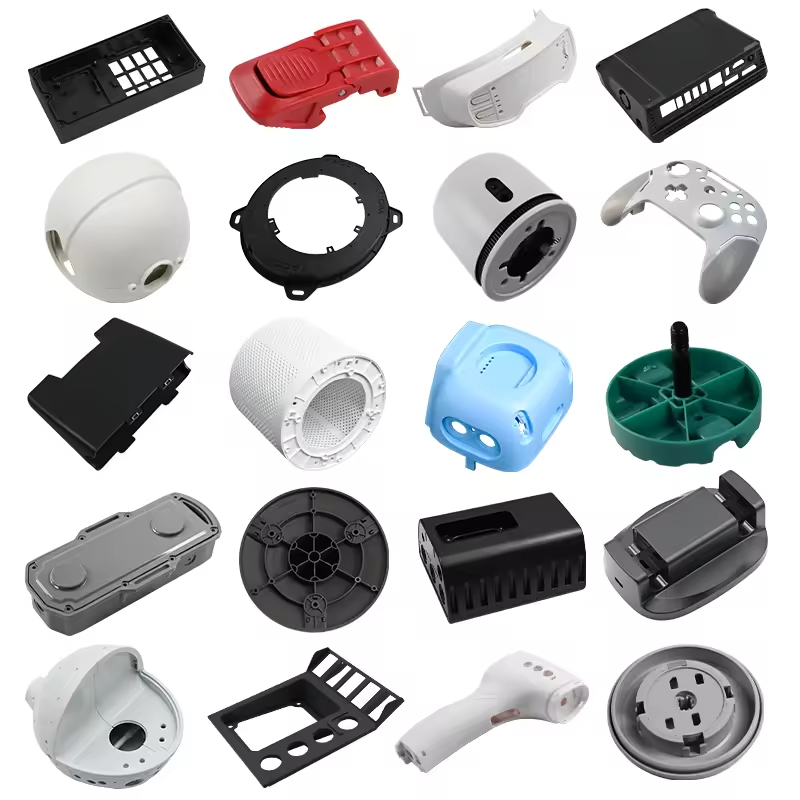
Gate design for injection molded parts affects far more than how the resin enters the cavity. It directly influences weld lines, packing, sink, cosmetic quality, fiber orientation, and warpage.
Many part problems blamed on resin or machine setup actually start with an early gate decision that did not match the part’s real priorities.
What Gate Design Has to Balance
A gate must fill the part efficiently, pack the right features, and leave a manageable vestige. At the same time, it should not force the melt front to create avoidable weld lines across critical surfaces or structural features.
That is why gate design is both a processing question and a product-design question.
Why Gate Location Can Matter More Than Gate Type
Teams often debate edge gate versus sub gate versus hot tip, but location is usually the bigger first-order decision. If the melt reaches the cosmetic surface last, or splits around a hole before packing a structural rib, the part is already set up for compromise.
Start by defining the surfaces and features that matter most, then place the gate strategy around them.
Common Outcomes of Poor Gate Design
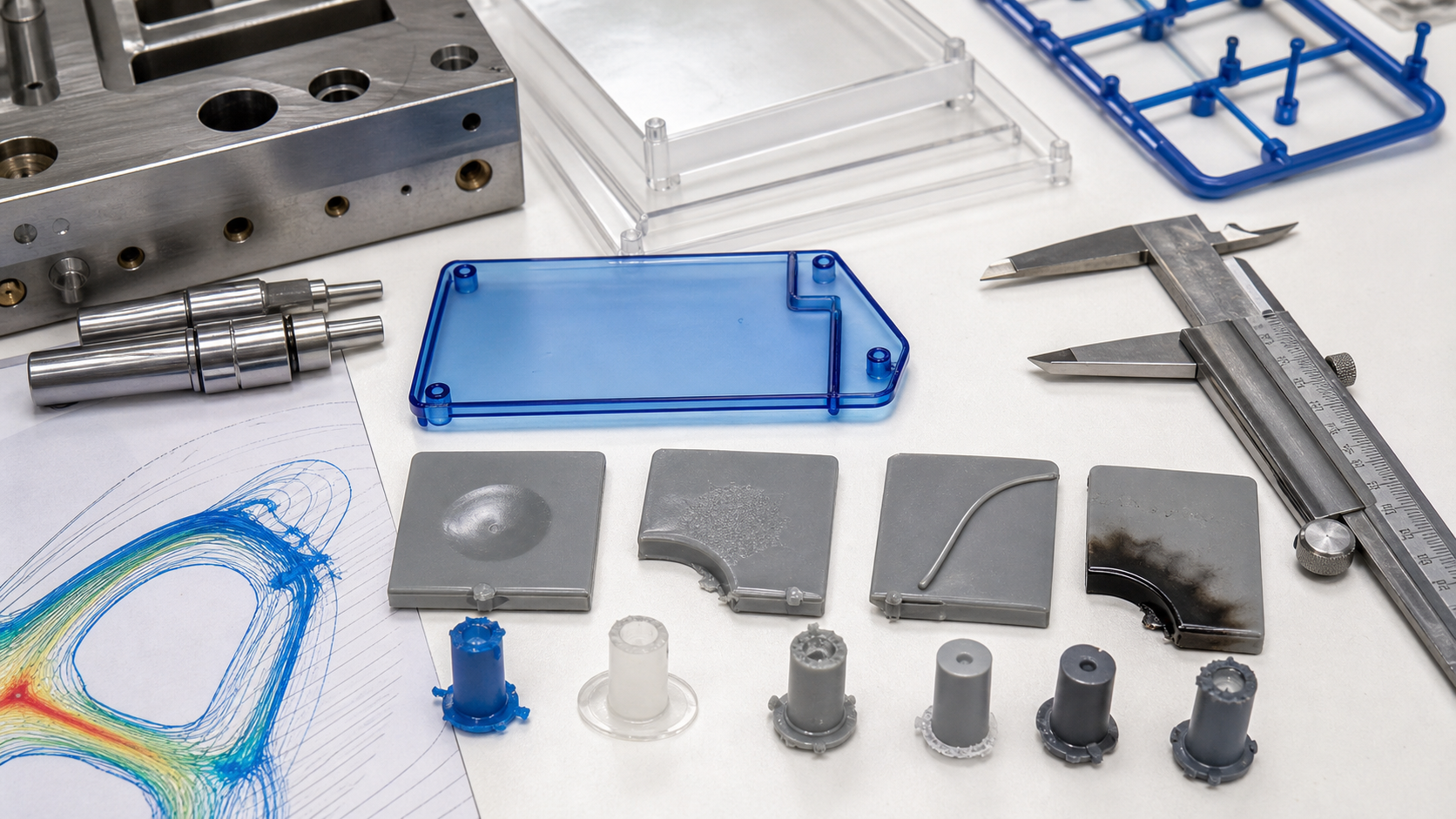
Poor gate design can create short shots, visible blush, hesitation, jetting, weak weld lines, uneven shrink, and difficult balancing across cavities. In filled materials, it can also distort fiber orientation in ways that change stiffness unexpectedly.
- Weak weld lines near clips or holes
- Cosmetic defects on visible surfaces
- Unbalanced cavity filling
- Packing issues that create sink or voids
Best Questions to Resolve Before Tool Release
Which face is cosmetic? Which features need the best structural integrity? Where can the gate vestige live without creating downstream assembly or appearance issues?
Once those answers are defined, mold flow and supplier feedback become much more useful.
Related Reading
- Injection Molding Weld Lines Guide
- Rib and Boss Design Guide
- Mold Flow Analysis and DFM Report Guide
ЧАСТО ЗАДАВАЕМЫЕ ВОПРОСЫ
How do you choose the best gate location for an injection molded part?
Start with flow length, wall thickness, cosmetic surfaces, weld-line risk, packing needs, ejection and trimming access. The best gate location balances filling, pressure control and acceptable gate vestige.
Which gate type is best for plastic injection molding?
There is no universal best gate. Edge, fan, tab, submarine, pin and hot-tip gates each fit different part geometry, appearance requirements, resin behavior and production volume.
Can gate design cause molding defects?
Yes. Poor gate design can contribute to jetting, sink marks, weld lines, burns, short shots, excessive shear, weak areas and visible gate marks.