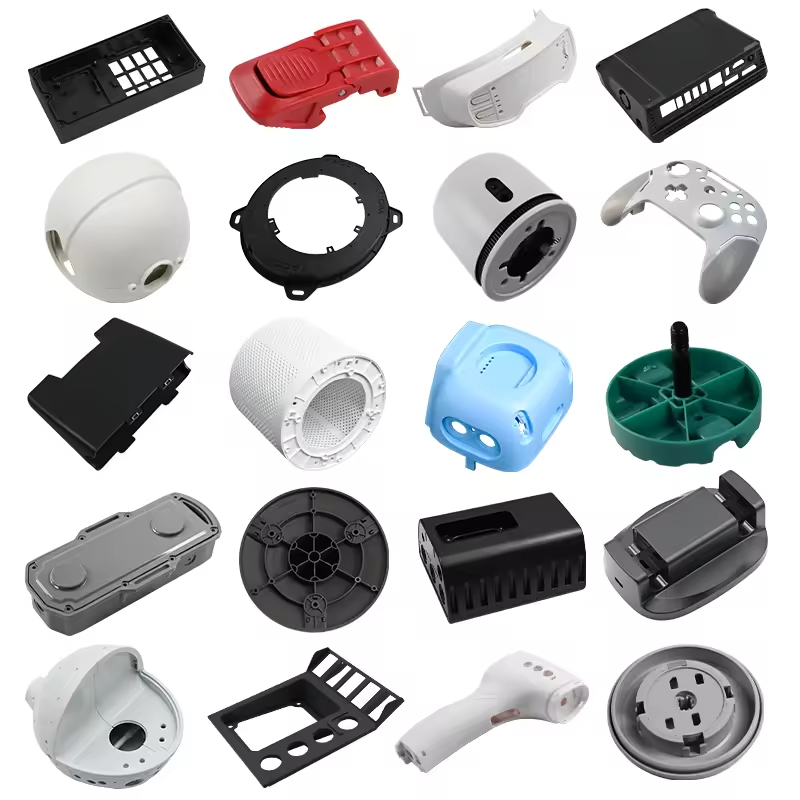
Family — это актуальная инженерная тема, когда необходимо сравнить различные варианты, проверить предельные значения и выбрать технологический процесс с меньшим риском.
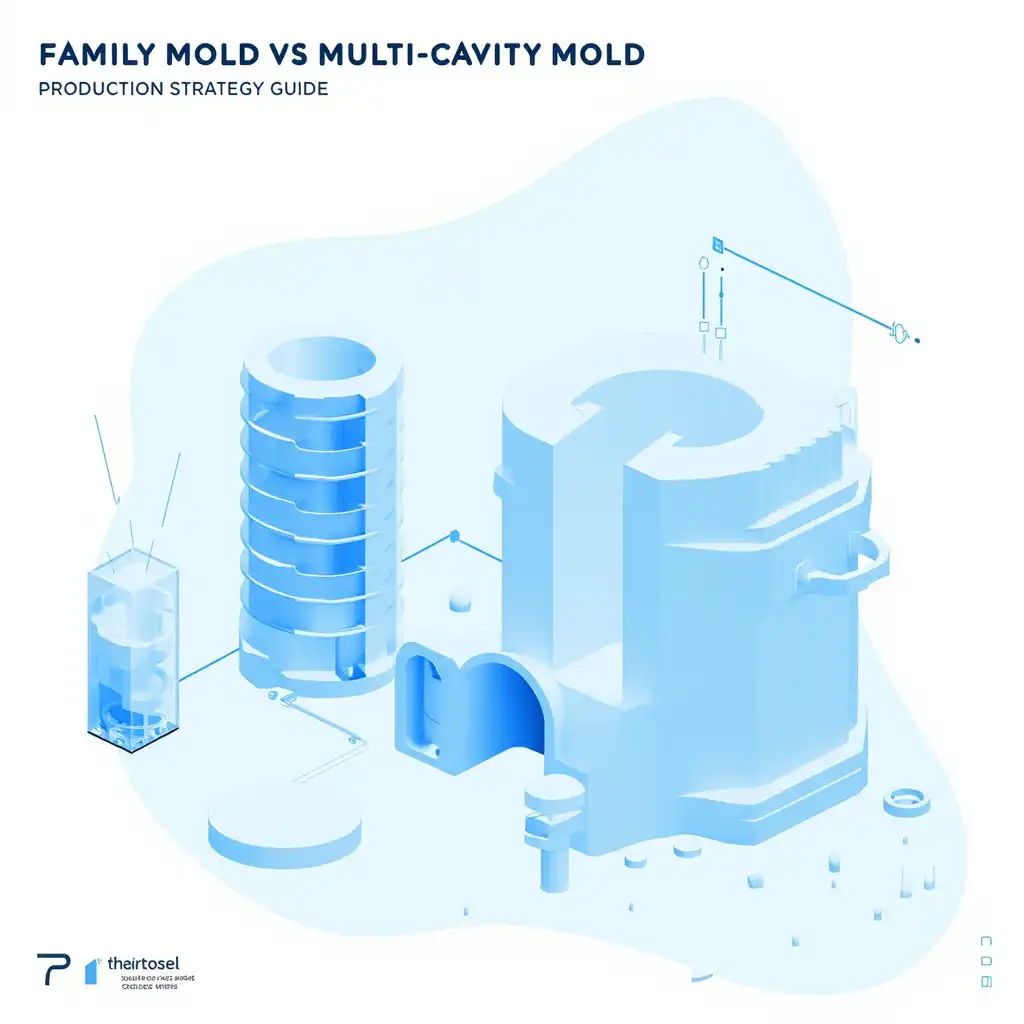
Understanding Mold Configurations
Mold configuration significantly impacts production cost, efficiency, and flexibility. Understanding the differences between family molds and multi-cavity molds helps optimize manufacturing strategy.
Multi-Cavity Molds
Multi-cavity molds produce multiple identical parts in a single cycle. All cavities are the same design.
Преимущества
- Maximum production efficiency
- Consistent part quality across cavities
- Easier process optimization
- Predictable cycle times
- Lower per-part cost at high volume
Challenges
- Higher mold cost
- Single part design per mold
- All cavities must be filled evenly
Лучшие приложения
- High-volume single part production
- Parts requiring strict consistency
- Commodity components
Family Molds
Family molds produce different parts in the same mold. Multiple part designs share a single mold base.
Преимущества
- Lower total mold investment
- Produces multiple parts simultaneously
- Suitable for low-volume assemblies
- Reduces inventory complexity
Challenges
- Difficult to balance fill between cavities
- Different parts may need different cycle times
- Quality control more complex
- May require compromise on process parameters
Лучшие приложения
- Low to medium volume assemblies
- Related parts with similar size and material
- Prototype and bridge production
Key Decision Factors
Design Considerations for Family Molds
Part Similarity
- Similar wall thickness
- Compatible materials
- Comparable shot sizes
- Similar cooling requirements
Runner Balance
- Design runner system to balance fill
- Consider different cavity sizes
- May need flow restrictors
Gating Strategy
- Different gate sizes for different cavities
- Position gates for optimal fill
- Consider automatic degating
Cost Analysis Example
Scenario: Assembly with 4 different plastic parts, 50,000 sets per year
- Option A: 4 single-cavity molds = $60,000 total
- Option B: 1 family mold (4 cavities) = $25,000
- Option C: 4 multi-cavity molds (8 cavities each) = $120,000
For this volume, the family mold offers the best cost-efficiency.
Заключение
Choose multi-cavity molds for high-volume, single-part production. Consider family molds for assemblies with multiple parts at lower volumes. Evaluate total cost, production needs, and part complexity.
Связанные ресурсы
- Moisture Effects on Nylon
- Nylon Printing Temperature Guide
- Обработка нейлона с ЧПУ
- 3D-печать для прототипирования и производства
- Руководство по выбору пластиковых материалов
ЧАСТО ЗАДАВАЕМЫЕ ВОПРОСЫ
When does Family Mold vs Multi-Cavity Mold — Production Strategy Guide make sense?
Family Mold vs Multi-Cavity Mold — Production Strategy Guide makes sense when the part volume, material choice, geometry, and repeatability needs justify mold design and tooling investment.
What design factors matter most for Family Mold vs Multi-Cavity Mold — Production Strategy Guide?
На качество литой детали влияют такие факторы, как толщина стенок, ребра, выступы, угол наклона, расположение литника, усадка, линия разъема и выталкивание.
Какая информация необходима перед изготовлением пресс-формы?
Поставщик должен подтвердить 3D-модель, материал, предполагаемый годовой объем, требования к внешнему виду, допустимые отклонения, а также любые требования к сборке или функциональным испытаниям.
What is the biggest risk in Family Mold vs Multi-Cavity Mold — Production Strategy Guide?
Наибольший риск заключается в утверждении инструментария до того, как поведение материала, усадка, течение и функциональность детали будут полностью проверены в условиях реального применения.