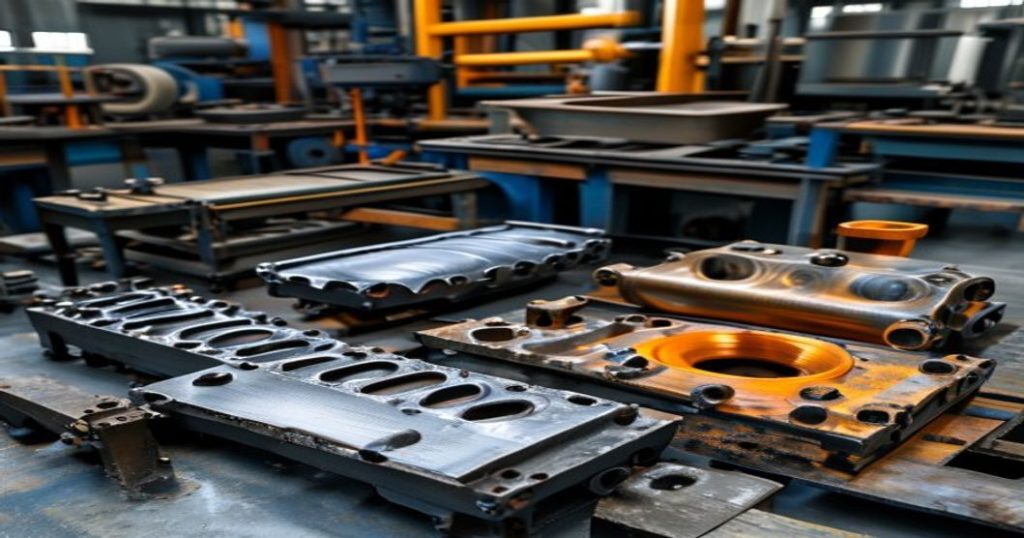
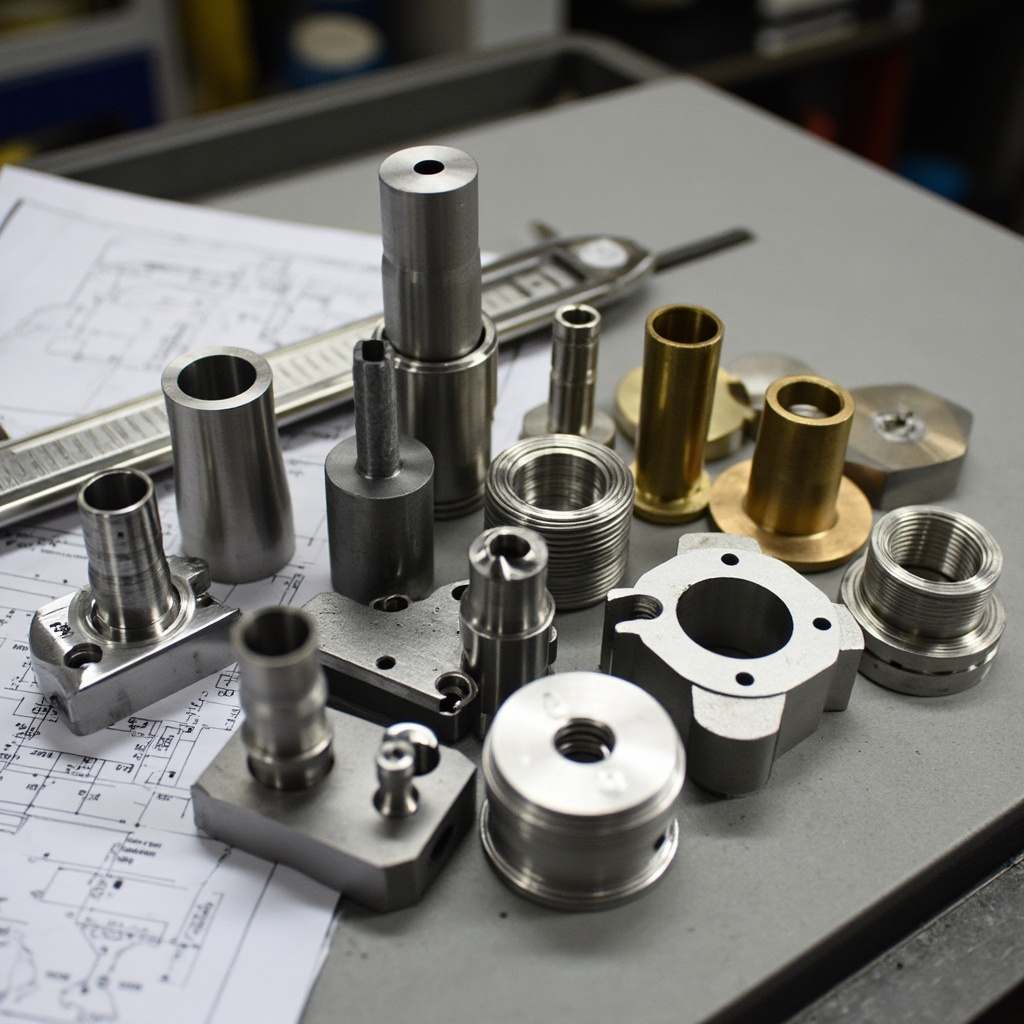
Эта статья не посвящена в первую очередь поиску поставщика ЧПУ-оборудования или изучению процесса механической обработки с нуля. Речь пойдет о том, как превратить концепцию единичной детали в готовую к производству нестандартную деталь, изготовленную на ЧПУ, с минимальным количеством неприятных неожиданностей, связанных с затратами. Это означает, что основная тема — преобразование: превращение чертежей, допусков, эстетических замыслов, требований к сборке и ожиданий относительно тиража в то, что производственное предприятие сможет изготавливать серийно. Заказчики обычно обращаются к этой статье, когда деталь является нестандартной, не имеет аналога в каталоге, а каждый конструктивный выбор влияет на цену или сроки изготовления. Поэтому ниже основное внимание уделяется реализации детали на заказ: как чётко определить деталь, как устранить неоднозначности и как избежать доработок до начала производства.
Детали, изготовленные по индивидуальному заказу с использованием ЧПУ, являются основой современного производства. Независимо от того, занимаетесь ли вы созданием прототипа нового шарнира для робототехники, заменой устаревшего автомобильного кронштейна или наращиваете объемы производства медицинского устройства с 50 до 5 000 единиц, в какой-то момент вам понадобятся детали, которых нет в каталоге. Именно здесь на помощь приходит обработка на станках с ЧПУ по индивидуальному заказу — а правильное выполнение заказа с первого раза сэкономит вам деньги, время и избавит от множества проблем.
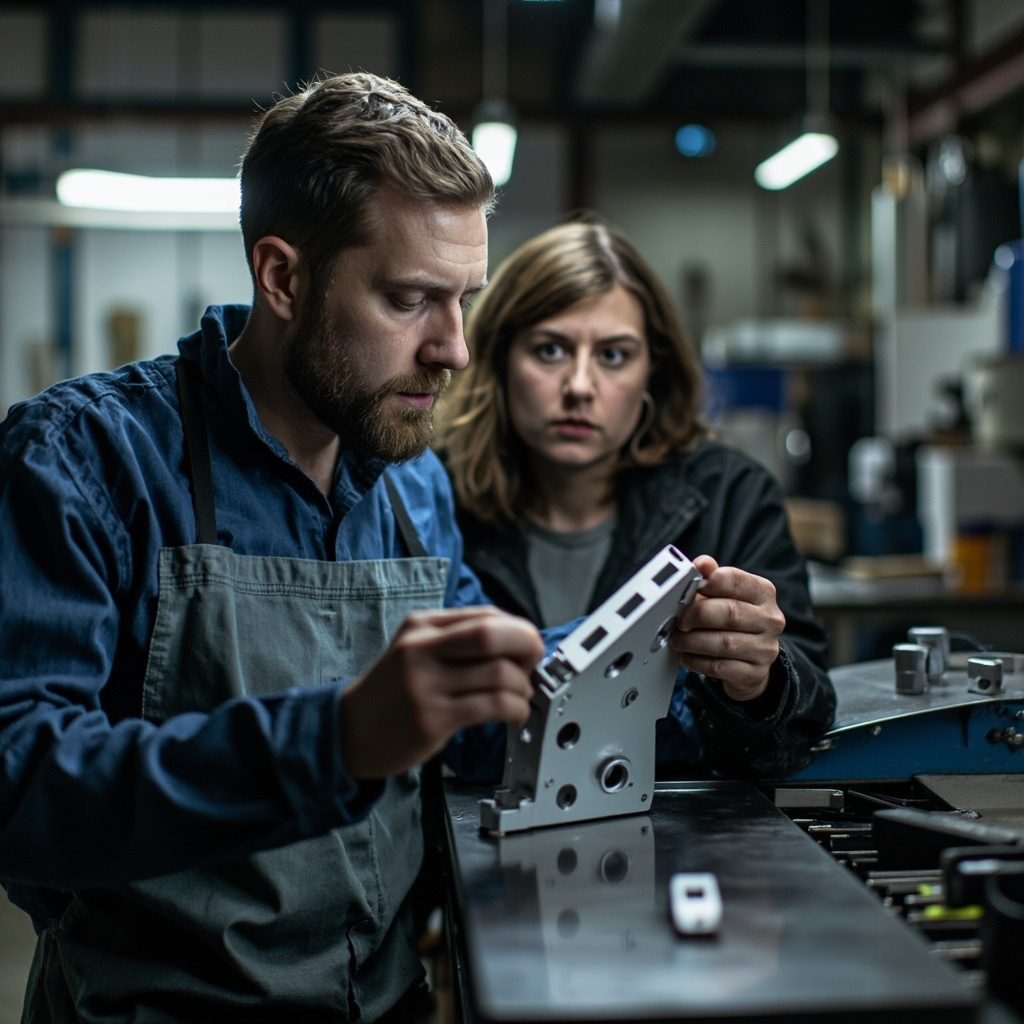
В этом руководстве подробно рассмотрено, что действительно важно при заказе нестандартных деталей, изготовленных на станках с ЧПУ — от проектных решений, которые могут как уложиться в бюджет, так и выйти за его пределы, до выбора материалов, влияющих на эксплуатационные характеристики, а также вопросов, которые следует задать перед отправкой первого запроса на предложение. Никакой теории из учебников. Только то, что действительно работает на производстве.
Основные понятия и принципы
В самом простом понимании индивидуальная обработка на станках с ЧПУ представляет собой субтрактивное производство — вы начинаете с цельного блока материала и удаляете всё, что не является вашей деталью. Звучит просто, верно? Но именно те решения, которые вы принимаете ещё до того, как первая стружка упадет на пол, определяют, получится ли ваша деталь идеальной или же вам придётся заплатить за очень дорогой опыт.
Вот что действительно важно, когда вы только начинаете:
- Геометрия определяет выбор технологического процесса. Деталь с элементами на шести гранях, скорее всего, потребует 5-осевой обработки. А простой вал с резьбой на обоих концах? Токарный станок справится с этим за одну заготовку. Выбор неверного технологического процесса с самого начала приведет к увеличению затрат без какой-либо выгоды.
- Допуски обходятся дорого — в реальных деньгах. Каждый ноль, который вы добавляете к указанному допуску, увеличивает стоимость заказа на несколько долларов. Если ваша деталь работает с допуском ±0,1 мм, не указывайте на чертеже ±0,01 мм только потому, что это “выглядит профессионально”. Станк, конечно, справится с таким допуском, но производственное предприятие выставит вам счет за дополнительную настройку оборудования, щупание и затраченное время.
- Проектирование с учетом технологичности (DFM) — это не просто дополнительная опция. Разница заключается в том, что деталь $50 и деталь $500 выполняют абсолютно одинаковую функцию.
Основные процессы и технологии
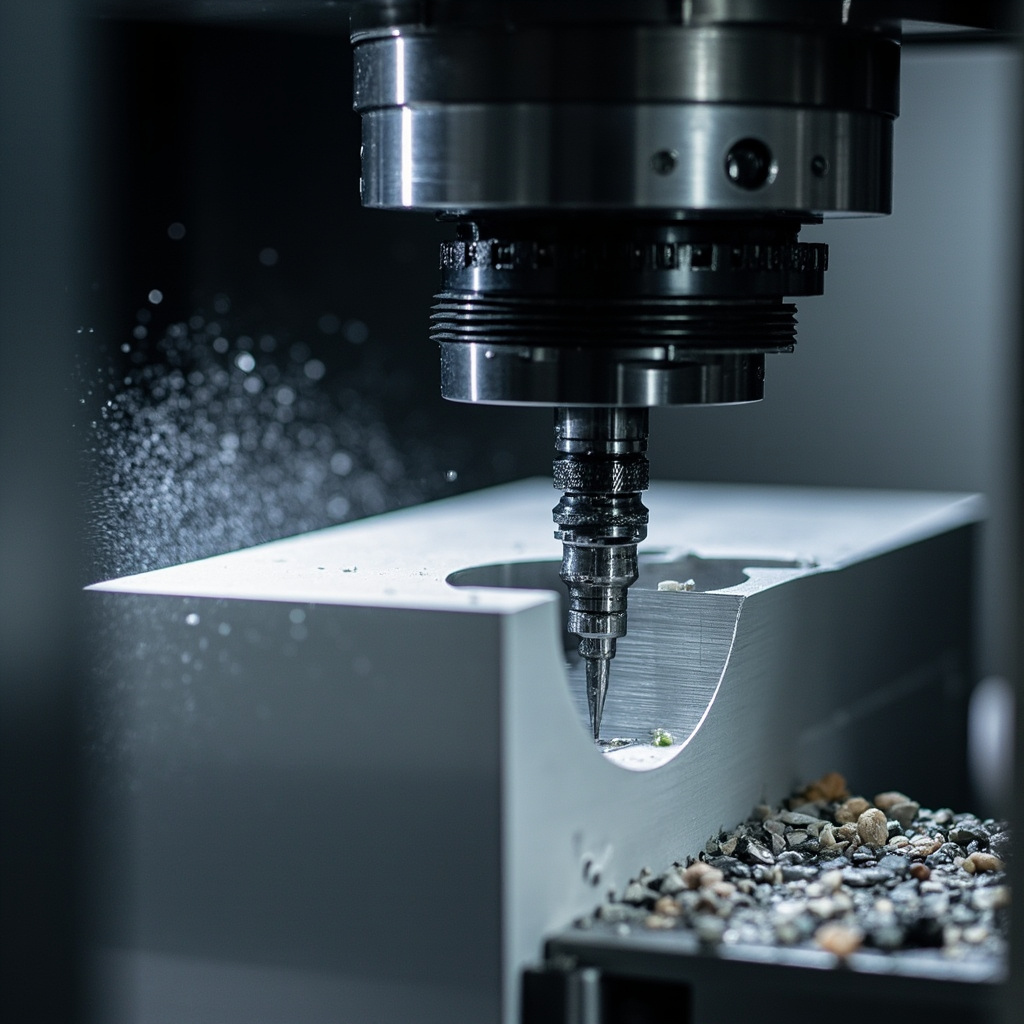
Не все процессы ЧПУ одинаковы. Выбранная вами технология определяет все остальные решения — выбор материалов, допуски, сроки изготовления и стоимость. Ниже приводится обзор основных процессов, с которыми вы столкнетесь при заказе деталей по индивидуальному проекту:
| Процесс | Лучшее для | Типичный допуск | Поверхностная шероховатость (Ra) | Время настройки | Относительная стоимость |
|---|---|---|---|---|---|
| 3-осевой фрезерный станок с ЧПУ | Плоские детали, углубления, пазы, отверстия — 2,5D-геометрия | ±0,025 мм | 0,8–1,6 мкм | Низкий | $ |
| 5-осевое фрезерование с ЧПУ | Сложные криволинейные поверхности, многогранные детали, рабочие колеса | ±0,01 мм | 0,4–0,8 мкм | Средний | $$$ |
| Токарная обработка с ЧПУ | Цилиндрические детали, валы, втулки, резьбовые детали | ±0,01 мм | 0,4–1,6 мкм | Низкий | $ |
| Швейцарная токарная обработка | Цилиндрические детали малого диаметра и высокой точности (для медицинской промышленности, часового производства) | ±0,005 мм | 0,2–0,8 мкм | Средний | $$ |
| Электроэрозионная резка | Острые внутренние углы, твёрдые материалы, жесткие допуски | ±0,003 мм | 0,2–0,4 мкм | Высокий | $$$$ |
| Шлифование с ЧПУ | Сверхточные поверхности, дорожки качения подшипников, уплотнительные поверхности | ±0,002 мм | 0,05–0,2 мкм | Высокий | $$$ |
Дело в том, что для большинства деталей, изготавливаемых по индивидуальному заказу, не требуется применение самых сложных технологических процессов. Хорошо спроектированная деталь, изготовленная на 3-осевом фрезерном станке, может превосходить по качеству плохо спроектированную деталь, изготовленную на 5-осевом станке модели $500K. Начинайте с того, что действительно необходимо для вашей геометрии, а не с того, что звучит впечатляюще на совещании.
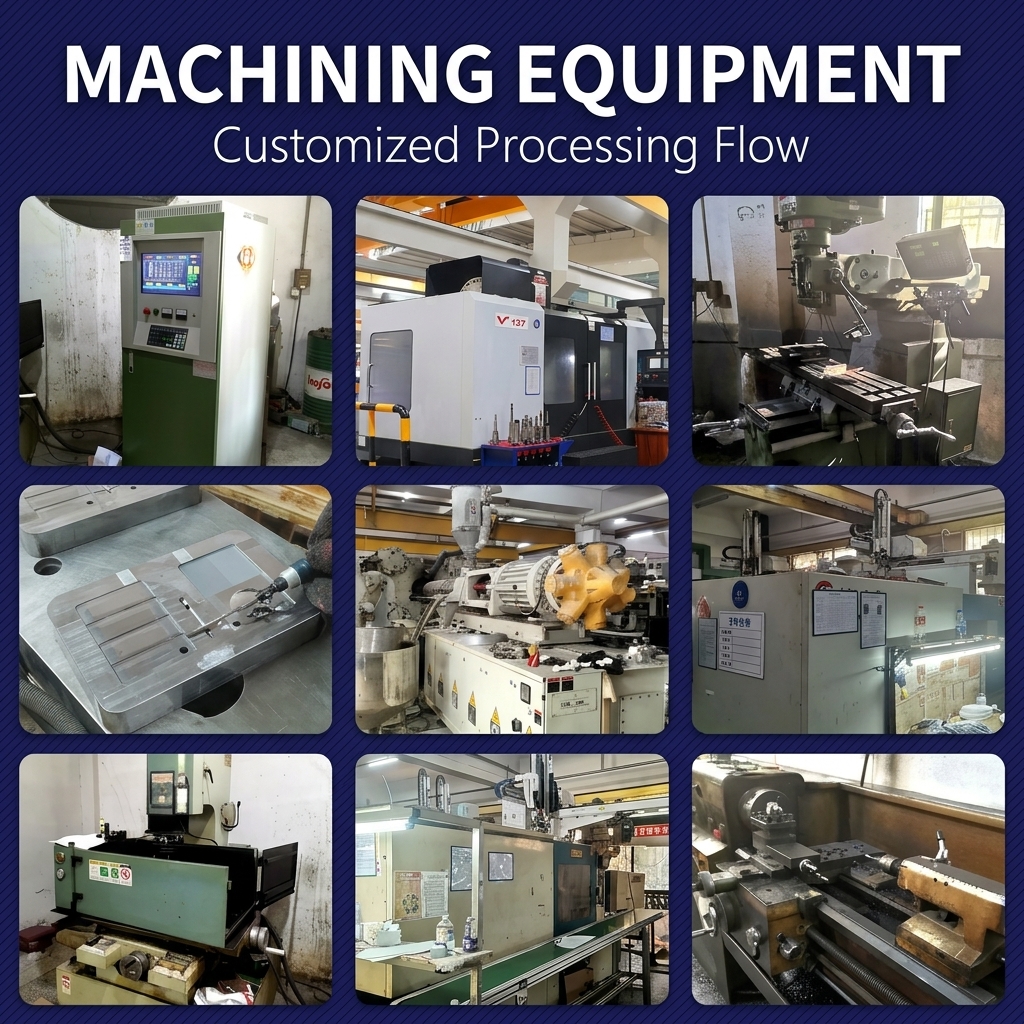
На сайте nylonplastic.com мы используем весь спектр технологий — 3-осевую и 5-осевую обработку, токарную обработку и электроэрозионную обработку — ведь для разных деталей требуются разные инструменты. Наш Возможности обработки на станках с ЧПУ Мы готовы выполнить любые заказы — от единичных прототипов до серийного производства, а наша команда инженеров проверяет каждый чертеж на соответствие технологическому процессу ещё до того, как мы приступим к изготовлению инструмента. Именно это позволяет вам избежать ситуации, когда вы обнаружите, что деталь невозможно изготовить в соответствии с вашим чертежом — после того, как вы уже оплатили материалы.
Промышленное применение
Детали, изготовленные на заказ с использованием ЧПУ, встречаются повсюду — зачастую в тех местах, где вы их даже не замечаете, потому что они работают просто безупречно. Вот в каких отраслях мы наблюдаем наибольший спрос:
| Промышленность | Заявка | Материал | Основное требование | Преимущества nylonplastic.com |
|---|---|---|---|---|
| Автомобили | Изготовленные на заказ кронштейны двигателя, впускные коллекторы | Алюминий 6061-T6 | Высокое соотношение прочности к массе, усталостная прочность | 5-осевая обработка позволяет избежать многократной перенастройки оборудования — более быстрая поставка, более жесткие допуски |
| Аэрокосмическая промышленность | Конструкционные кронштейны, детали шасси | Титан Ti-6Al-4V | Прочность при повышенных температурах, сертифицированная прослеживаемость материала | В стандартную комплектацию входят полные сертификаты на материалы и документация по контролю качества, соответствующая стандарту AS9100 |
| Медицина | Корпуса хирургических инструментов, пробные имплантаты | Нержавеющая сталь 316L / PEEK | Биосовместимость, совместимость с автоклавом | Процессы, соответствующие стандарту ISO 13485, с полной прослеживаемостью партий от исходного сырья до готовой детали |
| Электроника | Радиаторы, корпуса | Медь C110 / Алюминий 6061 | Теплопроводность, геометрия тонких ребер | Возможность обработки ребер толщиной 0,5 мм без заусенцев — электроэрозионная обработка с погружным электродом для микродеталей |
| Промышленное оборудование | Индивидуальные приспособления, запасные шестерни | Легированная сталь 4140 | Износостойкость, стабильность размеров | Термообработка на собственном производстве + шлифование после термообработки — один поставщик, один счет-фактура |
| Роботизированная автоматизация | Корпуса концевых устройств, корпуса шарниров | Алюминий 7075-T6 | Легкие детали со сложной внутренней геометрией | 5-осевая одновременная обработка элементов с подрезами — без дополнительных операций, без суммирования допусков |
В этих отраслях наблюдается одинаковая картина: всем им требуются детали, надежно работающие в реальных условиях, и всем им выгодно иметь партнера-производителя, который понимает, что происходит, когда деталь переходит от стадии “хорошо выглядит на экране” к стадии “должна выдержать 10 000 циклов в реальных условиях эксплуатации”.”
Выбор материала — что действительно работает
Выбор материала становится камнем преткновения для большего числа проектов, чем любой другой отдельный фактор. Вы бы удивились, сколько раз я видел, как кто-то указывал в техническом задании инконель для детали, которая прекрасно подошла бы из нержавеющей стали марки 304 — и без всякой на то причины утраивал ее стоимость.
Ниже приводится практическое руководство по материалам, с которыми мы работаем чаще всего, а также рекомендации, в каких случаях целесообразно использовать тот или иной материал:
Алюминий 6061-T6 — Надежный «рабочий конь». Хорошая прочность, отличная обрабатываемость, прекрасно поддается анодированию. Это ваш стандартный выбор, если у вас нет особых причин использовать что-то другое. Примерно 60% из всех изготавливаемых нами деталей на заказ — это детали из алюминия 6061.
Алюминий 7075-T6 — Когда прочность сплава 6061 недостаточна. По прочности сопоставим с мягкой сталью, но весит в три раза меньше. Более дорогой и менее коррозионно-стойкий, чем 6061, поэтому его следует использовать только в тех случаях, когда требуется высокая прочность.
Нержавеющая сталь 304 / 316L — Для обеспечения коррозионной стойкости и применения в пищевой и медицинской отраслях. В состав стали 316L добавлен молибден для повышения химической стойкости. Обе марки обрабатываются медленнее, чем алюминий (время цикла примерно в 3 раза больше), поэтому следует ожидать более высокой стоимости деталей.
Титан Ti-6Al-4V — Применяется в аэрокосмической отрасли и для изготовления медицинских имплантатов. Легче стали, прочнее алюминия, биосовместим. Кроме того, дорого стоит в качестве исходного материала и медленно поддается механической обработке. Использовать его следует только в тех случаях, когда снижение веса оправдывает затраты.
PEEK и инженерные пластики — Если вам нужна химическая стойкость, электрическая изоляция или возможность стерилизации в автоклаве без лишнего веса металла. Ознакомьтесь с нашим справочник по инженерным пластикам для получения подробных данных о замене пластика металлом.
Легированная сталь 4140 / 4340 — Когда требуются детали, способные выдерживать удары, усталостную нагрузку и износ. Шестерни, валы, корпуса инструментов. Как правило, подвергаются термообработке после механической обработки.
Все еще сомневаетесь? Наш центр выбора материалов пошагово знакомит вас с компромиссами, характерными для каждого распространенного инженерного материала, на основе реальных данных о стоимости и эксплуатационных характеристиках — а не просто цифр из технических паспортов.
Компромиссы между стоимостью и производительностью
Никому не нравятся неожиданные расходы. Вот факторы, которые на самом деле определяют цену на изготовленные на заказ детали с ЧПУ, в порядке убывания их влияния:
1. Стоимость материалов (15-40% от общей суммы). Цены на сырье колеблются, но разница в стоимости остается реальной. Блок алюминия марки 6061 стоит недорого. А вот блок титана марки 6Al-4V — нет. А некоторые материалы — например, инконель — изнашивают инструмент с невероятной скоростью, что неизбежно сказывается на стоимости услуг.
2. Сложность настройки (20–35% в общей сложности). Каждый раз, когда операту-станочнику приходится переворачивать деталь, заново задавать координаты и повторно проводить зондирование, вы тратите час на наладку. Деталь, обработка которой выполняется за одну настройку (3-осевая обработка всех элементов с одной стороны), обходится значительно дешевле, чем деталь, требующая трёх настроек. Именно в этом и заключается преимущество 5-осевой обработки — одна настройка, доступ к пяти сторонам.
3. Требования к допускам (сумматор 10-30%). Каждый узкий допуск означает более медленную подачу, контроль в процессе обработки и зачастую отдельный этап контроля качества. Если в вашем чертеже везде указан допуск ±0,005 мм, производственное предприятие будет считать, что вы это имели в виду, — и установит цену соответственно. Будьте избирательны: устанавливайте допуски только на те параметры, которые действительно важны.
4. Количество (нелинейное). Одна деталь обходится дорого, потому что вы оплачиваете все накладные расходы и затраты на наладку, распределенные на одну единицу. При производстве десяти деталей эти затраты распределяются между ними. При производстве ста деталей дело становится рентабельным. А при производстве тысячи деталей? В какой-то момент вам стоит обратить внимание на литьё под давлением Вместо этого — эта точка пересечения находится где-то в диапазоне 200–500 единиц в зависимости от геометрии.
5. Отделка поверхности. “Вариант ”в обработанном виде» — самый экономичный и подходит для большинства функциональных деталей. Анодирование, порошковое покрытие или зеркальная полировка — каждый из этих видов обработки увеличивает стоимость и срок изготовления. Наши руководство по отделке поверхностей подробно разбивает стоимость по каждому варианту отделки.
Стандарты качества и передовой опыт
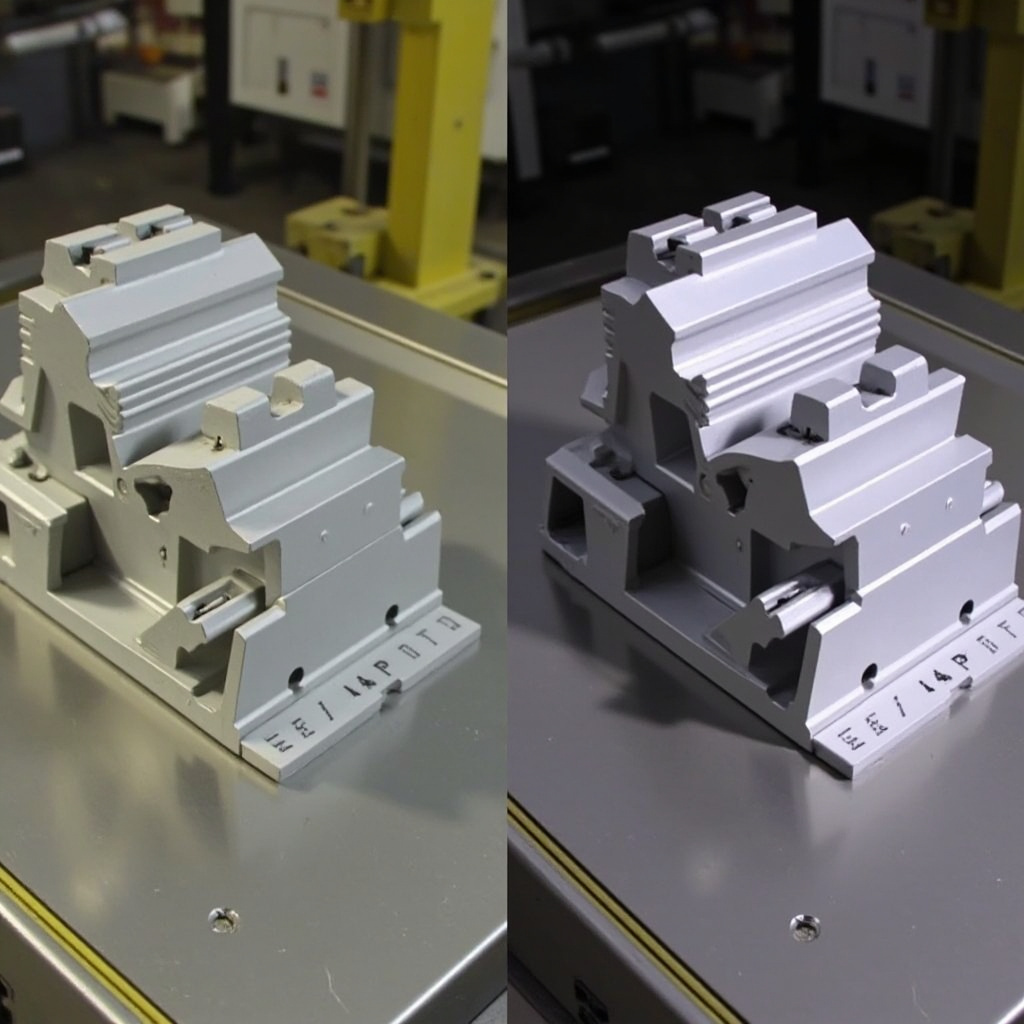
Проверка поступающих материалов. Прежде чем начнётся обработка, заготовка проходит проверку — на соответствие марки сплава, размеры и (при необходимости) наличие заводских сертификатов. Если материал не соответствует требованиям, деталь будет бракованной, каким бы качественным ни было механическое обрабатывание.
В процессе выполнения. . Первая деталь, вышедшая с линии, проходит полную проверку размеров. При серийном производстве критические элементы подвергаются выборочной проверке через определенные промежутки времени. Цель состоит в том, чтобы выявить отклонения до того, как они приведут к браку, а не после.
Заключительный контроль качества. Проверка всех критических размеров с помощью координатно-измерительной машины (КИМ) в соответствии с чертежом. Измерение шероховатости поверхности в случаях, когда качество поверхности имеет значение. Измерение твердости в случаях, когда применяется термическая обработка.
Документация. В отраслях, подлежащих регулированию (аэрокосмическая, медицинская), документация имеет такое же значение, как и сама деталь. Полная прослеживаемость материалов, отчеты и сертификаты соответствия должны быть стандартом, а не дополнительной услугой, предлагаемой за отдельную плату.
Начало работы — практические шаги
Готовы заказать изготовление деталей? Вот проверенный процесс, основанный на том (буду честен), что я видел, как многие проекты заканчивались провалом из-за того, что люди пропускали некоторые этапы:
Шаг 1: Определите, что вам действительно нужно. Не то, что, по вашему мнению, нужно, а то, что действительно необходимо для работы детали. Какие нагрузки? Какие условия эксплуатации? С какими сопрягаемыми деталями она будет работать? Каковы реальные требования к допускам? Запишите это, прежде чем открывать программу CAD.
Шаг 2: Разрабатывайте дизайн с учетом технологического процесса. Воспользуйтесь нашим рекомендации по разработке продукта Следуйте рекомендациям по оптимизации производства (DFM). Избегайте острых внутренних углов (для их обработки требуется электроэрозионная обработка или крошечные инструменты, которые быстро ломаются). По возможности глубина отверстий должна быть не более 4 диаметров. При проектировании предусматривайте максимально возможные внутренние радиусы.
Шаг 3: Подготовьте набор четких чертежей. 3D-файл САПР (STEP или IGES) и 2D-чертеж с указанием критических размеров и допусков. Отметьте опорные размеры как эталонные. Укажите требования к качеству поверхности. Укажите материал и любую последующую обработку.
Шаг 4: Отправить на экспертизу DFM. Прежде чем запускать изделие в серийное производство, закажите экспертизу технологичности. Хорошая производственная компания выявит проблемы — слишком тонкие стенки, невыполнимые подрезы, несочетающиеся суммарные допуски — и предложит способы их устранения. На сайте nylonplastic.com этот этап предоставляется бесплатно и уже помог нашим клиентам сэкономить десятки тысяч долларов на доработке продукции.
Шаг 5: Закажите первый образец. Если речь идет о чем-то важном, сначала закажите одну или две детали. Проверьте их посадку, работоспособность и качество отделки, прежде чем заказывать полный тираж. Да, это займет несколько дополнительных дней. Но это дешевле, чем выбрасывать сотню деталей.
Шаг 6: Уверенно расширяйте масштабы. После утверждения первой партии серийное производство проходит без сложностей, поскольку процесс уже прошел валидацию. Все по-прежнему: те же самые партии, тот же самый план контроля качества.

Заключение
Изготовление деталей на заказ с ЧПУ не должно превращаться в игру в угадайку. Формула проста: четкие требования, продуманные конструктивные решения, подходящий материал и партнер по производству, который скажет вам то, что вам нужно услышать, а не только то, что вы хотите услышать.
Мы занимаемся обработкой деталей по индивидуальным заказам уже достаточно долго, чтобы понимать: разница между хорошей деталью и отличной деталью, как правило, сводится к обсуждениям, которые происходят до запуска станка. Рассмотрение чертежа, когда кто-то спрашивает: “А вы не думали сделать эту стенку на 0,5 мм толще?” Обсуждение материалов, в ходе которого алюминий 6061 заменяет титан и позволяет сэкономить на 60% без ущерба для характеристик. Реалистичная оценка допусков, которая позволяет удержать ваш проект в рамках бюджета.
Именно такое партнерство мы выстраиваем на сайте nylonplastic.com. Мы — не просто поставщик, который изготавливает детали в соответствии с чертежами, а команда, которая поможет вам изготовить деталь правильно с первого раза.
Связанные ресурсы
- Возможности обработки с ЧПУ — полный обзор технологического процесса — Ознакомьтесь с нашим парком оборудования, рабочими зонами и собственными производственными возможностями — от 3-осевой до 5-осевой обработки.
- Центр выбора материалов — Сравните более 50 инженерных материалов с учетом реальной стоимости, обрабатываемости и эксплуатационных характеристик.
- Руководство по материалам для обработки на станках с ЧПУ — Подробный анализ того, какие материалы хорошо поддаются механической обработке, а какие — нет, и сколько на самом деле стоит каждый из них.
- Проектирование изделия с учетом технологичности — Рекомендации по DFM, позволяющие снизить затраты и повысить качество ещё до того, как детали поступят в цех.
У вас есть детали, которые нужно обработать на станке? Пришлите нам свой чертеж. Мы оценим его с точки зрения технологичности и предоставим вам честное ценовое предложение (без уловок и неожиданных наценок). Независимо от того, нужен ли вам один прототип или тысяча серийных деталей, наша команда инженеров отнесется к вашему проекту с должным вниманием — ведь он действительно важен. Загрузите файлы и получите расценки →
ЧАСТО ЗАДАВАЕМЫЕ ВОПРОСЫ
В каких случаях следует выбирать детали с ЧПУ, изготовленные по индивидуальному заказу, вместо стандартных каталожных компонентов?
«Детали с ЧПУ на заказ: от проектирования до производства — практическое руководство по инженерии» — это оптимальный выбор, когда деталь требует высокой точности обработки, контролируемых поверхностей, повторяемости элементов и материала, поддающегося надежной обработке.
Что необходимо уточнить перед заказом деталей с ЧПУ, изготовленных по индивидуальному заказу?
Перед началом производства подтвердите версию чертежа, марку материала, допуски, количество, критические размеры, качество обработки поверхности и требования к контролю.
Что обычно влияет на стоимость проекта по изготовлению деталей с ЧПУ на заказ?
Стоимость обычно определяется материалом, временем наладки, машинным временем, сложностью допусков, креплением, доступом к инструменту, отделкой, контролем и количеством заказа.
Как можно снизить риски, связанные с качеством, при закупке деталей, изготовленных на заказ с использованием ЧПУ?
Риск качества снижается за счет четкой маркировки критических элементов, отказа от излишне жестких допусков, раннего подтверждения технологичности и использования данных контроля важных размеров.
Related Reading
- Услуги по ЧПУ-обработке: как выбрать подходящего партнера для изготовления ваших деталей
- Услуги по фрезерованию с ЧПУ: 3-осевое и 5-осевое фрезерование — что действительно нужно для ваших деталей
- Как сократить расходы при обработке на заказ с ЧПУ: Практическое руководство для специалистов по закупкам