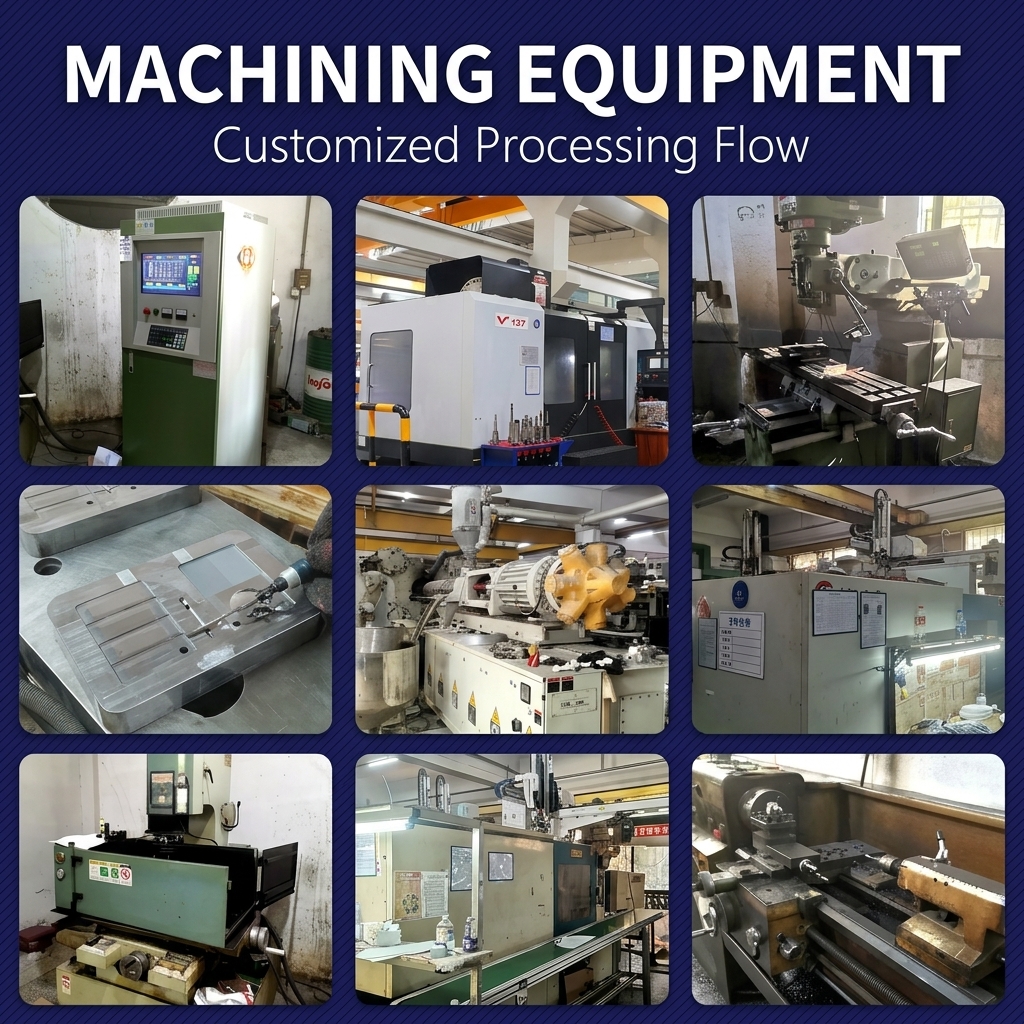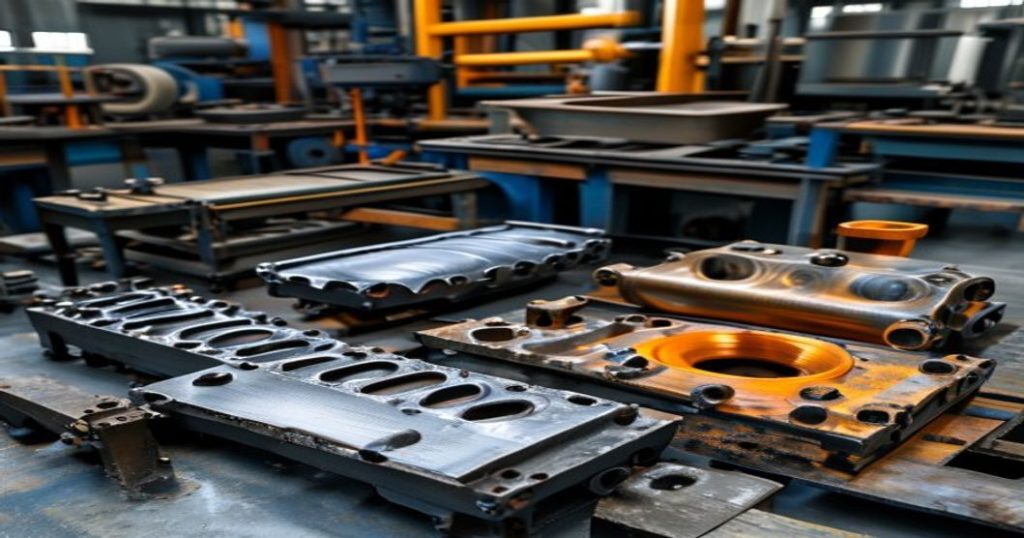
This cnc turning services practical guide guide explains practical material, design, manufacturing, and sourcing considerations for Nylon Plastic readers.
Introduction: The Round Part Problem
An engineer designs a shaft with stepped bores, precision shoulders, and an external thread. Sends the RFQ to a VMC shop. Quote comes back sky-high — five setups, custom fixturing, cycle time in hours. What happened? They designed a turning part and sent it to a milling shop.
CNC turning services exist for one reason: round parts should be made on machines that spin the workpiece, not the tool. When you get the process right, a complex component becomes a straightforward turning job — single setup, naturally concentric features, and a price tag your purchasing manager can live with.
I’ve quoted and run turning work for years. The gap between “just throw it on a lathe” and actually speccing a turning job that makes money on both sides is wider than most think. This guide covers what matters: when turning beats milling, how live tooling changes the game, what Swiss turning buys you, and how to spec parts so your shop doesn’t call with questions every Tuesday.
Основные понятия и принципы
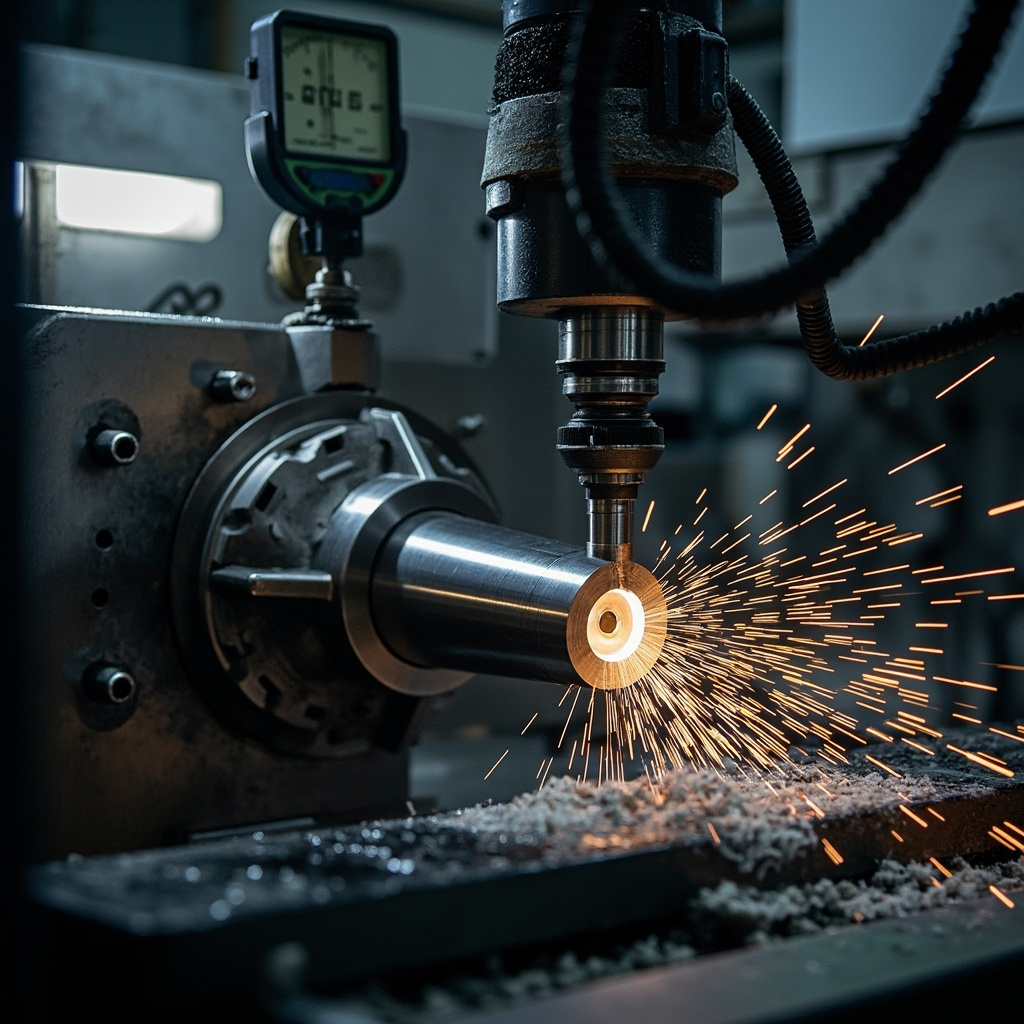
Токарная обработка с ЧПУ is subtractive manufacturing where the workpiece rotates while a stationary tool removes material. The part is clamped in a chuck or collet and spun between 800-4,000 RPM while the tool moves in X and Z axes to create cylindrical profiles.
The fundamental advantage: natural concentricity. Every diameter shares the same rotation axis. No re-indicating between features. No accumulated positional error. The spindle IS your datum.
What separates production turning from manual lathes:
- CNC control: med s, repeatable across thousands of parts.
- Automatic tool changers: Turret holds 8-12 tools — rough, finish, groove, thread, part off in one cycle.
- Bar feeders: Raw stock auto-feeds for lights-out production.
- Sub-spindle / tailstock: Pick-off for back-side machining; support for long shafts.
Diameter range runs from 3mm (Swiss) to 500mm+. Length-to-diameter ratios matter — beyond 6:1 you need steady rests. Surface finishes from turning are inherently better than milling on cylindrical surfaces: Ra 0.8 μm is routine, Ra 0.4 μm achievable on aluminum with polished inserts.
Основные процессы и технологии
2-Axis Turning (The Workhorse)
Tool moves in X (diameter) and Z (length). Handles profiles, faces, grooves, threads, bores. If your part is purely round and concentric, this is all you need — fast, rigid, cheapest per spindle hour.
Live Tooling (Powered Rotary Tools on the Turret)
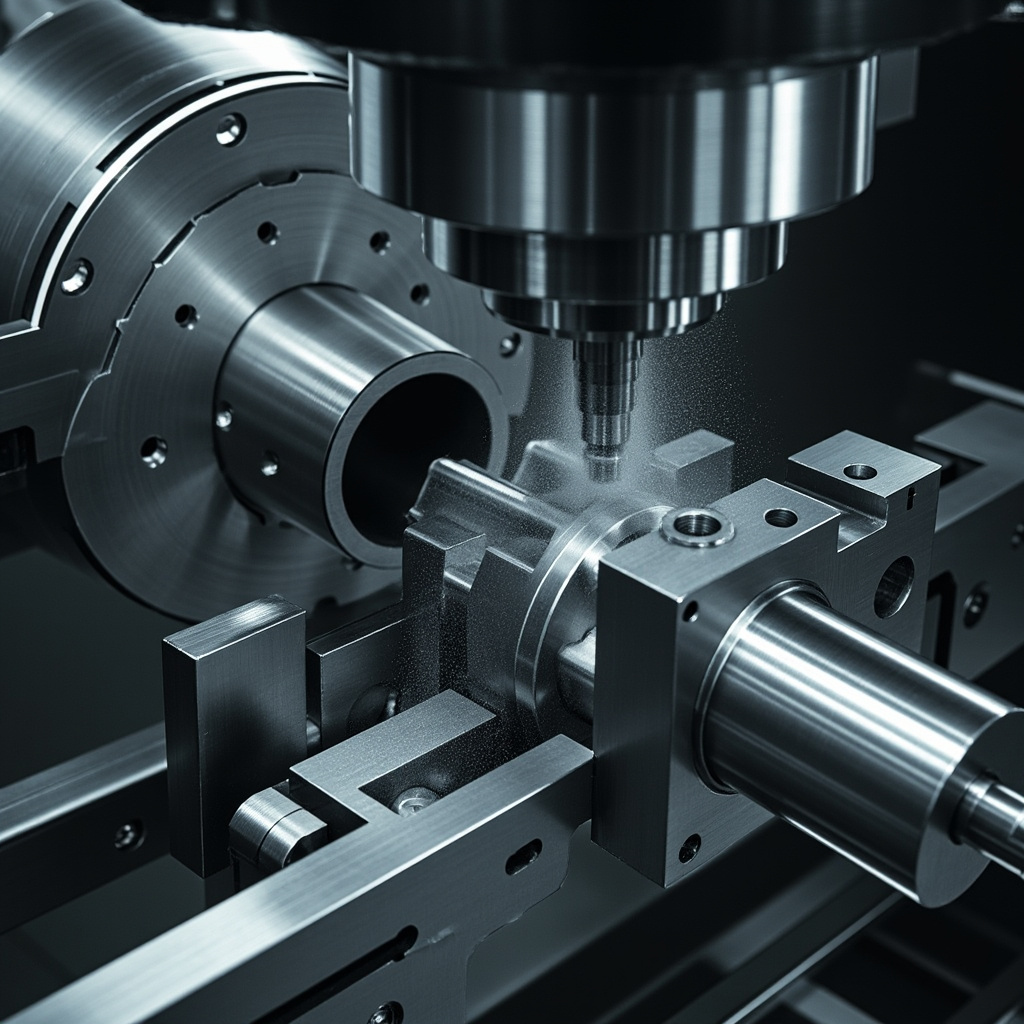
Small milling spindle on the turret drills off-center holes, mills flats, cuts keyways — all without removing the part from the chuck. You lose some cycle speed vs. a dedicated mill, but you eliminate a second setup. No re-indicating, no costs, no tolerance stack from re-chucking. Add a Y-axis (mill-turn center) and you can mill pockets, slots, and contoured surfaces anywhere on the perimeter.
Swiss-Type Turning (Sliding Headstock)
Bar stock feeds through a guide bushing so the tool always cuts right next to the support point. Machining ratios up to 20:1 without deflection. Standard diameters 1-32mm. Gold standard for medical devices, watch parts, electronics connectors. Modern Swiss machines run sub-spindle + live tooling for complete parts in one cycle.
Сравнение процессов
| Технология | Лучшее для | Max Complexity | Типичный допуск | Относительная стоимость |
|---|---|---|---|---|
| 2-Axis Turning | Purely cylindrical, high volume | Concentric features only | ±0.025 mm | $ |
| Turn + Live Tooling | Cylindrical + off-axis holes/flats | Moderate milling, one setup | ±0.025 mm | $$ |
| Mill-Turn (Y-axis) | Complex round parts, 4-axis milling | Pockets, slots, contoured surfaces | ±0,01 мм | $$$ |
| Швейцарский токарный станок | Long slender parts, small diameters | High with sub-spindle + live tooling | ±0,005 мм | $$$ – $$$$ |
| Multi-Spindle | Very high volume, simple geometry | Limited per spindle | ±0.05 mm | $ (amortized) |
Основной вывод: A mill-turn center costs more per hour than a 2-axis lathe, but if it eliminates two milling setups, total part cost may actually drop.
Промышленное применение
| Промышленность | Заявка | Материал | Основное требование | Преимущества nylonplastic.com |
|---|---|---|---|---|
| Автомобили | Transmission shafts, brake pistons, valve bodies | 4140 steel, 6061-T6 | High-volume consistency | Bar-fed production with automated QC — 10K+ runs, Cpk ≥ 1.67 |
| Аэрокосмическая промышленность | Landing gear pins, actuator housings, fuel components | Ti-6Al-4V, 17-4 PH, Inconel 718 | Material certs, NADCAP-level control | Full cert chain + mill-turn for complex aerospace geometries |
| Медицина | Bone screws, implant housings, dental abutments | 316L, Ti-6Al-4V ELI, PEEK | Ultra-fine finish, biocompatibility | Swiss turning for micro components, Ra 0.4 μm standard |
| Электроника | Connector pins, sensor housings, RF shield bodies | Brass C360, 6061 Al, copper | Micro features, burr-free | Swiss turning 1-32mm, high-speed connector production |
| Промышленное оборудование | Hydraulic rods, pump shafts, bearing housings | 1045/4140 steel, 304 SS | Heavy stock removal, thread quality | Large-diameter turning up to 500mm with live tooling |
| Роботизированная автоматизация | Joint shafts, actuator bodies, encoder housings | 7075 Al, 303 SS, plastics | Tight concentricity, lightweight | Mill-turn bearing journals within 5μm concentricity |
Выбор материала — что действительно работает
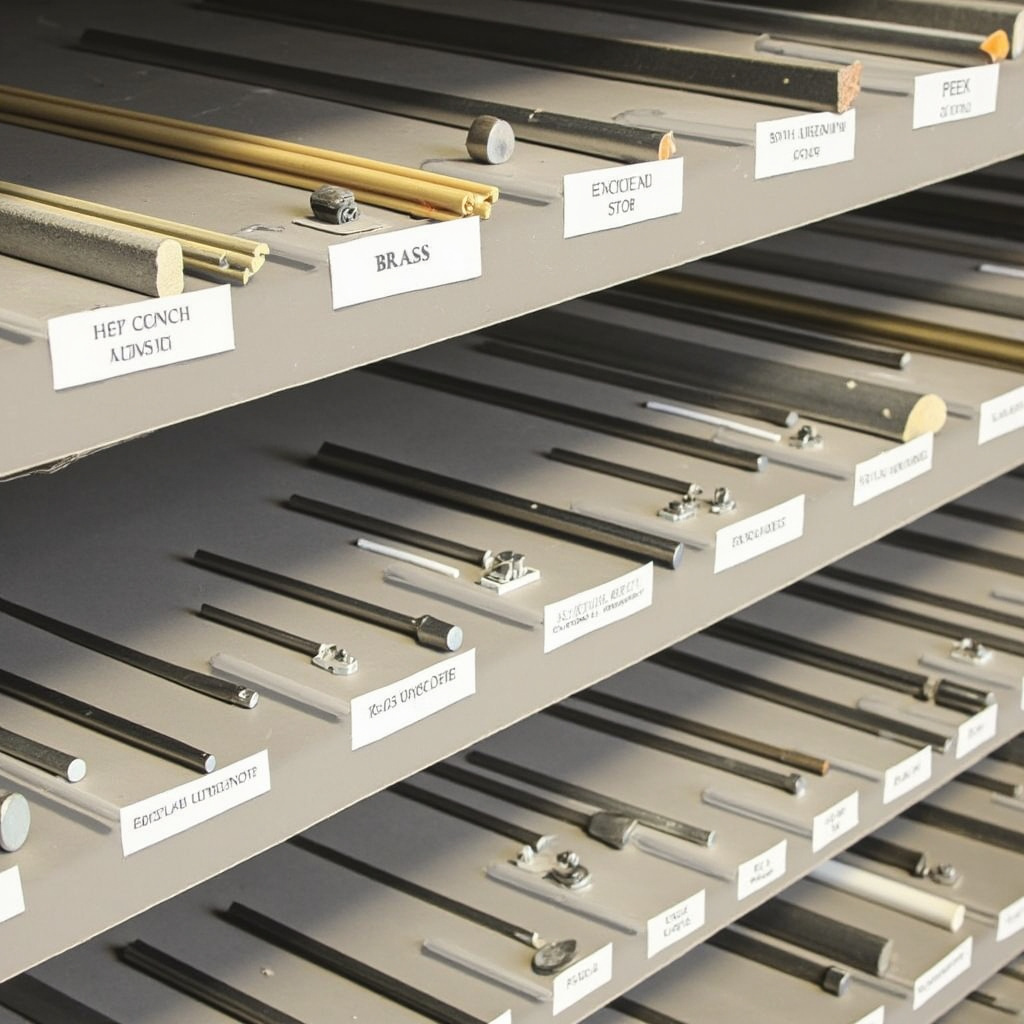
Free-machining steel (12L14, 1215): Gold standard for production. Small brittle chips, excellent finish. If your part doesn’t need welding or heat treat, always ask if 12L14 can substitute for 1018 — the cycle time savings pay for the material premium 3x over.
Алюминий (6061-T6, 7075-T6): Turns beautifully at 3-4x steel cutting speeds. 6061-T6 is the default; 7075-T6 machines nearly as well with 2x strength. Avoid 5052 and 3003 — they’re gummy and tear instead of cutting cleanly.
Нержавеющая сталь (303, 304, 316, 17-4 PH): 303 is the turner’s friend — sulfur makes it behave. 304/316 work-harden if you baby the feed rate. The rule: don’t be gentle. Enough depth of cut to stay under the work-hardened layer. 17-4 PH in annealed turns well; at H900, you’re grinding.
Titanium (Ti-6Al-4V): Slow, expensive, no shortcut. Needs rigid setups, sharp positive-rake inserts, copious coolant. Low thermal conductivity means heat goes into the tool.
Engineering plastics (PEEK, Delrin, PTFE): Sharp tools with high positive rake essential. PEEK machines closest to metal. Delrin is the sweet spot for most applications. PTFE is the worst — so soft that holding tolerance is genuinely difficult.
Brass C360: The benchmark for machinability — literally 100% on the standard scale. Glass-like finish, near-infinite tool life. Pure joy to turn.
Компромиссы между стоимостью и производительностью
Four levers drive turning cost:
1. Number of Setups. Every re-chucking adds labor, fixturing, and tolerance risk. The jump from 2-axis to live-tooling is often justified entirely by eliminating secondary milling setups.
2. Material Machinability. 12L14 costs 10-15% more than 1018 but cycle time drops 30-40%. For 500+ pieces, free-machining grades win.
3. Tolerance Band. ±0.1mm can be machined at high feed rates. Tighten to ±0.01mm and you’ve doubled or tripled cycle time — slower feeds, more tool changes, in-process measurement. Each factor-of-2 tightening roughly doubles machining cost for that feature.
4. Batch Size. One-off turned parts cost 5-10x the per-unit price of a 1,000-piece run. Bar-fed production sweet spot: 500-50,000 pieces.
Turning vs. Milling Quick Reference
| Характеристика детали | Turning Wins When | Milling Wins When |
|---|---|---|
| External geometry | Predominantly cylindrical | Prismatic or irregular shape |
| Internal holes | Axial bores, concentric IDs | Off-axis holes, non-circular pockets |
| MRR | Large OD reductions | Complex 3D surfacing |
| Round feature tolerance | ±0.01mm naturally | Requires boring head (looser, slower) |
| Round surface finish | Ra 0.8 μm in one pass | Multiple passes, often needs polishing |
| Diameter under 50mm | Bar-fed, lightning fast | Comparable but needs fixturing |
Стандарты качества и передовой опыт
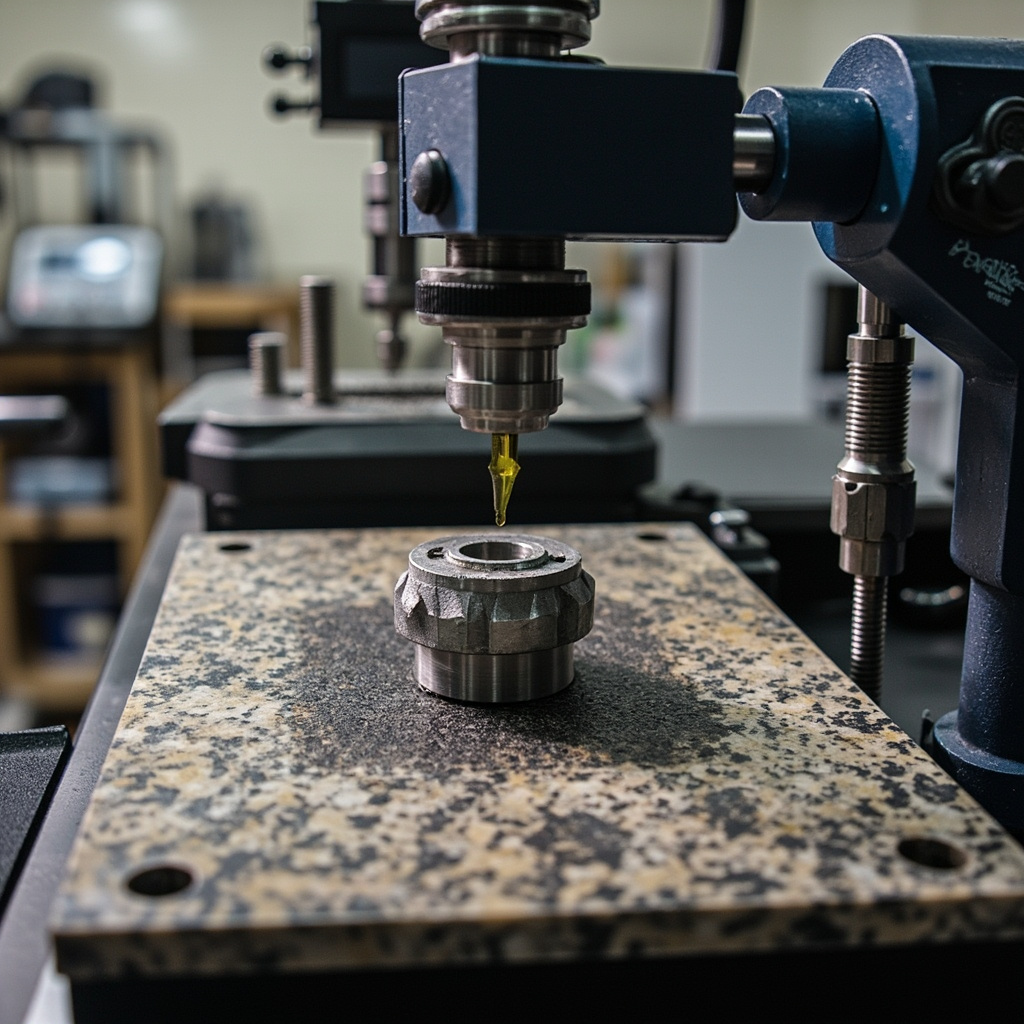
Concentricity / Runout: In the same chucking, runout between diameters should be under 0.01mm TIR. Re-chuck for second-side work: 0.02-0.05mm unless using bored-in-place soft jaws. If the drawing calls 0.01mm runout between opposite ends, warn the shop — they need sub-spindle pick-off or special collets.
Cylindricity: A diameter measuring correctly in three spots can still fail cylindricity — taper, barrel, or hourglass shapes. Usual suspects: worn guide bushings (Swiss), inadequate tailstock pressure (long parts), thermal growth during the run.
Thread Quality: Three checks: pitch diameter (thread mic or three-wire), thread form (comparator), and lead error. For production, thread rolling beats cutting — cold-worked surface is stronger, more consistent, and faster.
Practical QC workflow for incoming turned parts:
- Micrometer on 3 diameter locations — 30 sec
- Pin gauge / bore mic on critical IDs — 20 sec
- Thread go/no-go gauge — 10 sec
- Surface roughness comparator on sealing surfaces — 15 sec
- CMM on 1 part per batch for full verification
Начало работы — практические шаги
1. Define tolerances honestly. Block tolerance ±0.1mm (ISO 2768-m) for everything. Reserve ±0.01mm for bearing journals, seal surfaces, and press fits that actually need it. Drawings where everything is ±0.01mm are expensive for no reason.
2. Specify material completely. “Stainless steel” isn’t enough. Grade, condition, bar stock vs. forging. Material certs and traceability only when it matters — they add cost.
3. Indicate volumes. Quote for 10, 100, and 1,000 pieces. You might discover 100 pieces are only 3x the cost of 10 — order 100 and save the re-order.
4. Call out finish requirements. Ra 0.8 μm on seal surfaces needs explicit callout. “As machined” on everything else saves polishing time you don’t need.
5. Send STEP + PDF. PDF for tolerances, 3D model for geometry without ambiguity. The combination is gold for quoting.

Заключение
CNC turning works best when part geometry matches machine configuration. The key decisions happen before a single chip is cut: 2-axis vs. live tooling vs. Swiss, the right material grade, and honest tolerance assignments.
When cylindrical parts go to lathes, physics works in your favor — concentricity comes naturally, surface finish beats milling on circumferential surfaces, bar-fed production runs lights-out at costs that make milling look expensive. The markup from a misrouted turned part can be 2-4x what it should cost. Find a shop where turning is the main event, not the side hustle.
Связанные ресурсы
- CNC Machining Services — Complete Capability Overview
- CNC Machining Materials — Full Selection Guide with Machinability Ratings
- Material Selection Hub — Compare Properties, Costs, and Applications
- One-Stop Manufacturing Solution — From Prototype to Production
Get Your Turning Project Quoted — Same Day
Send us your STEP file and drawing, we’ll return a detailed quote within 24 hours. Whether 10 prototypes or 10,000 production parts, we match your job to the right machine — 2-axis, live tooling, mill-turn, or Swiss. No guesswork, just honest pricing from engineers who know how to turn.
ЧАСТО ЗАДАВАЕМЫЕ ВОПРОСЫ
When is CNC turning a better choice than milling?
CNC Turning Services: When Lathe Work Beats Milling — Practical Engineer’s Guide is the right choice when the part requires machined accuracy, controlled surfaces, repeatable features, and a material that can be cut reliably.
What should be confirmed before ordering turned parts?
Перед началом производства подтвердите версию чертежа, марку материала, допуски, количество, критические размеры, качество обработки поверхности и требования к контролю.
What usually drives cost in CNC turning services?
Стоимость обычно определяется материалом, временем наладки, машинным временем, сложностью допусков, креплением, доступом к инструменту, отделкой, контролем и количеством заказа.
How can buyers reduce quality risk on turned components?
Риск качества снижается за счет четкой маркировки критических элементов, отказа от излишне жестких допусков, раннего подтверждения технологичности и использования данных контроля важных размеров.