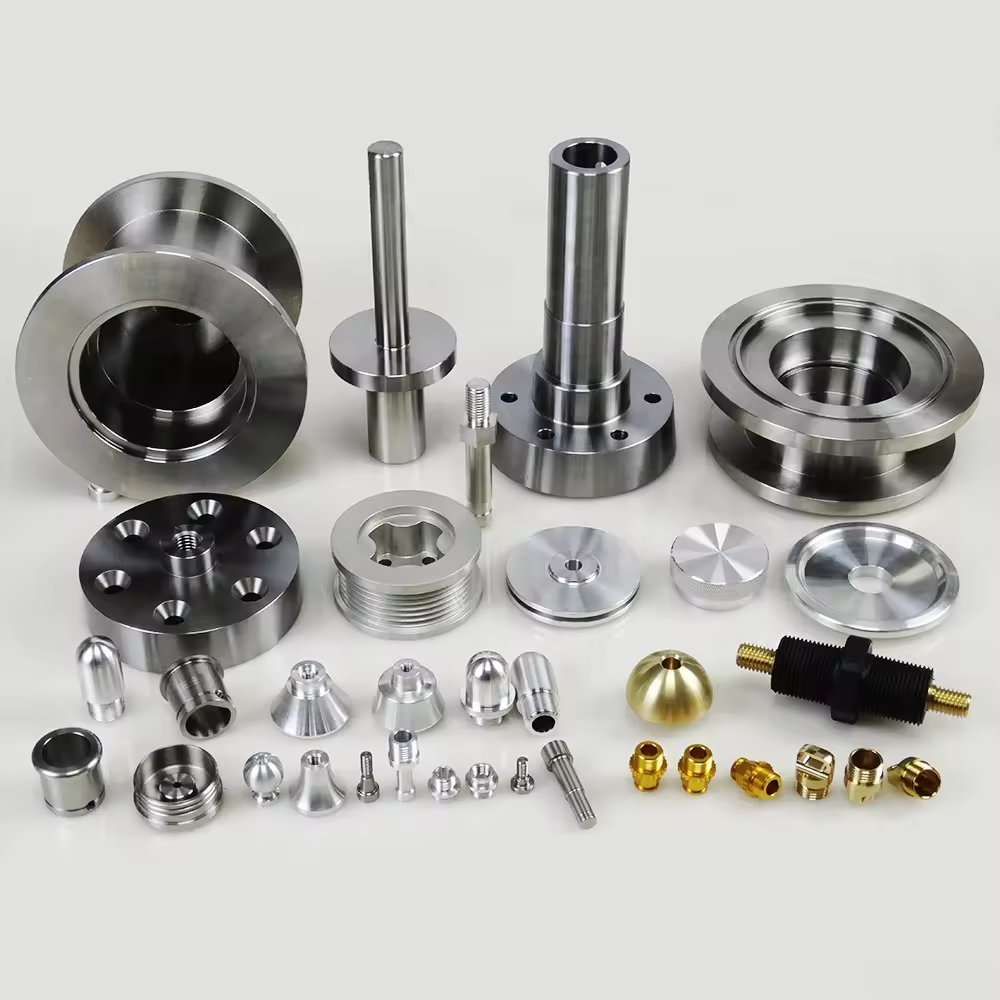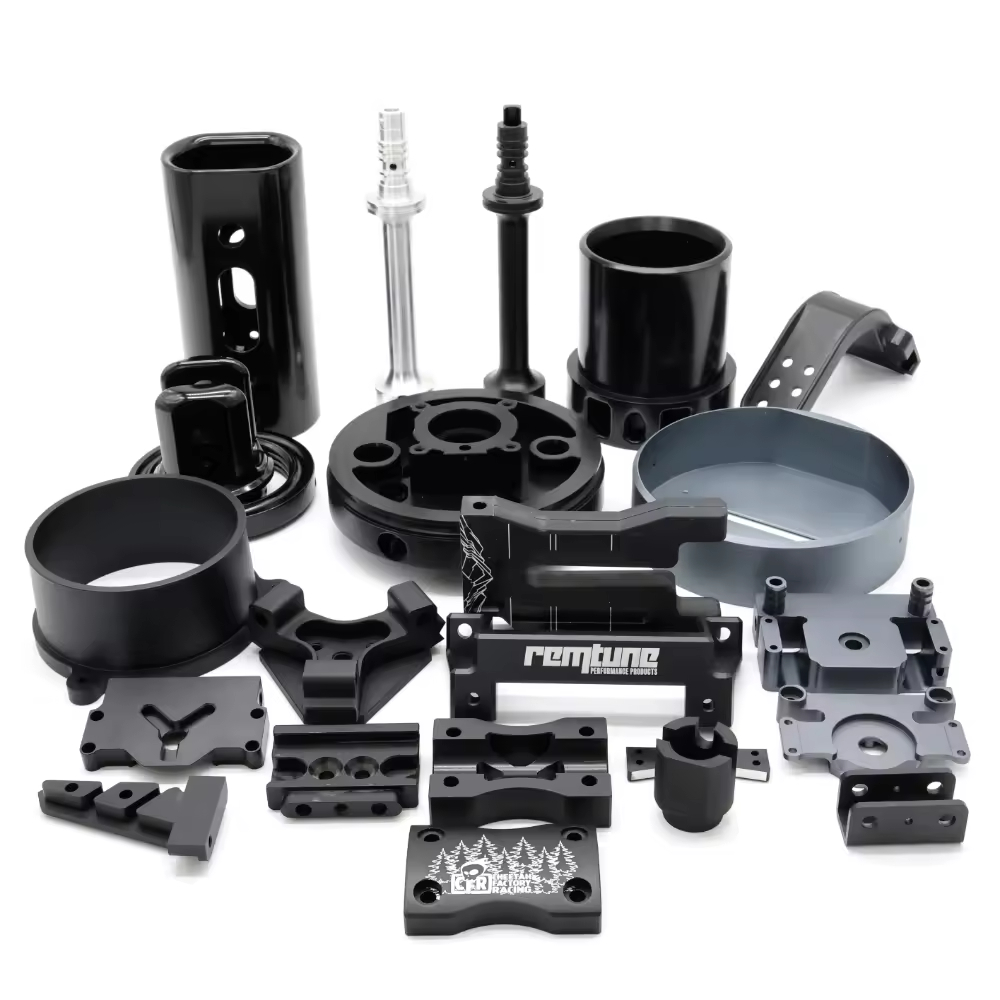
Silicone Material represents Properties, Types and Industrial Applications Guide one of the most important materials in modern engineering and manufacturing. This comprehensive guide examines the fundamental properties, industrial applications, and manufacturing considerations for this critical material, providing engineers and procurement professionals with essential knowledge for material selection and application design.
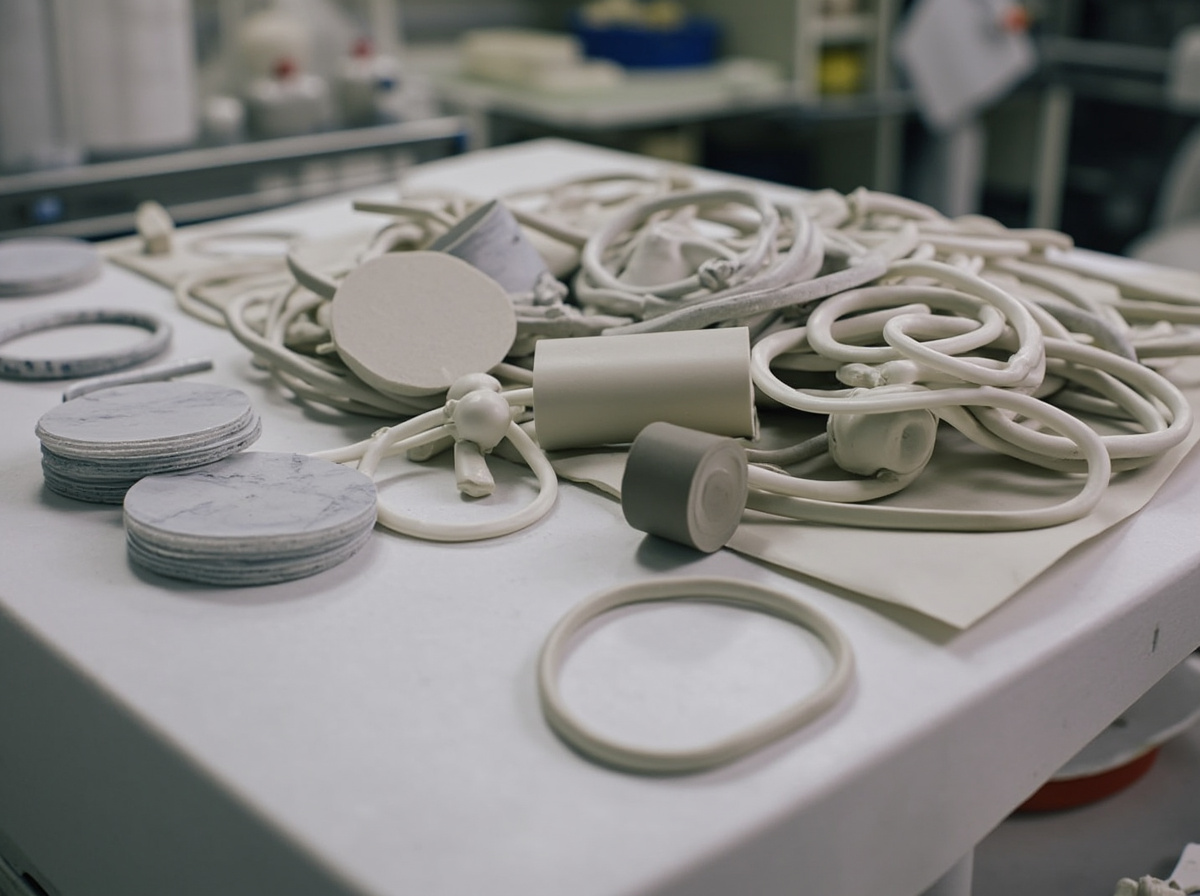
Основные свойства и характеристики
The material properties of silicone determine its suitability for specific engineering applications. Key characteristics include mechanical strength, thermal stability, chemical resistance, and processing behavior. Understanding these fundamental properties enables optimal material selection across diverse industrial applications.
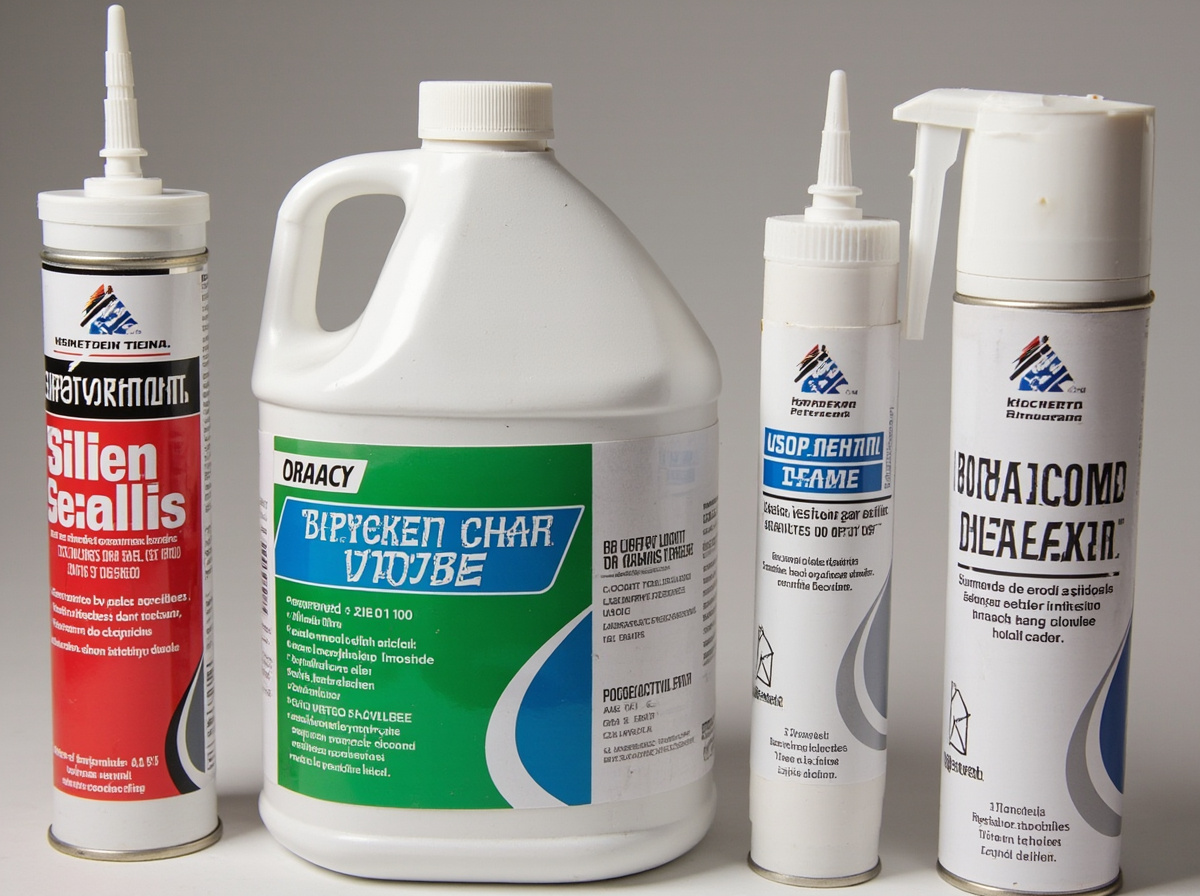
Промышленное применение
| Область применения | Конкретное использование | Требования к производительности | Преимущества материала |
|---|---|---|---|
| Производство | Производство компонентов | Высокая прочность, долговечность | Экономичный, надежный |
| Строительство | Структурные элементы | Несущая способность | Длительный срок службы |
| Электроника | Электрические компоненты | Проводимость, стабильность | Постоянство производительности |
| Автомобили | Автомобильные компоненты | Оптимизация веса | Топливная эффективность |
| Аэрокосмическая промышленность | Авиационные конструкции | Высокая прочность по отношению к весу | Критическая безопасность |
Производственные процессы
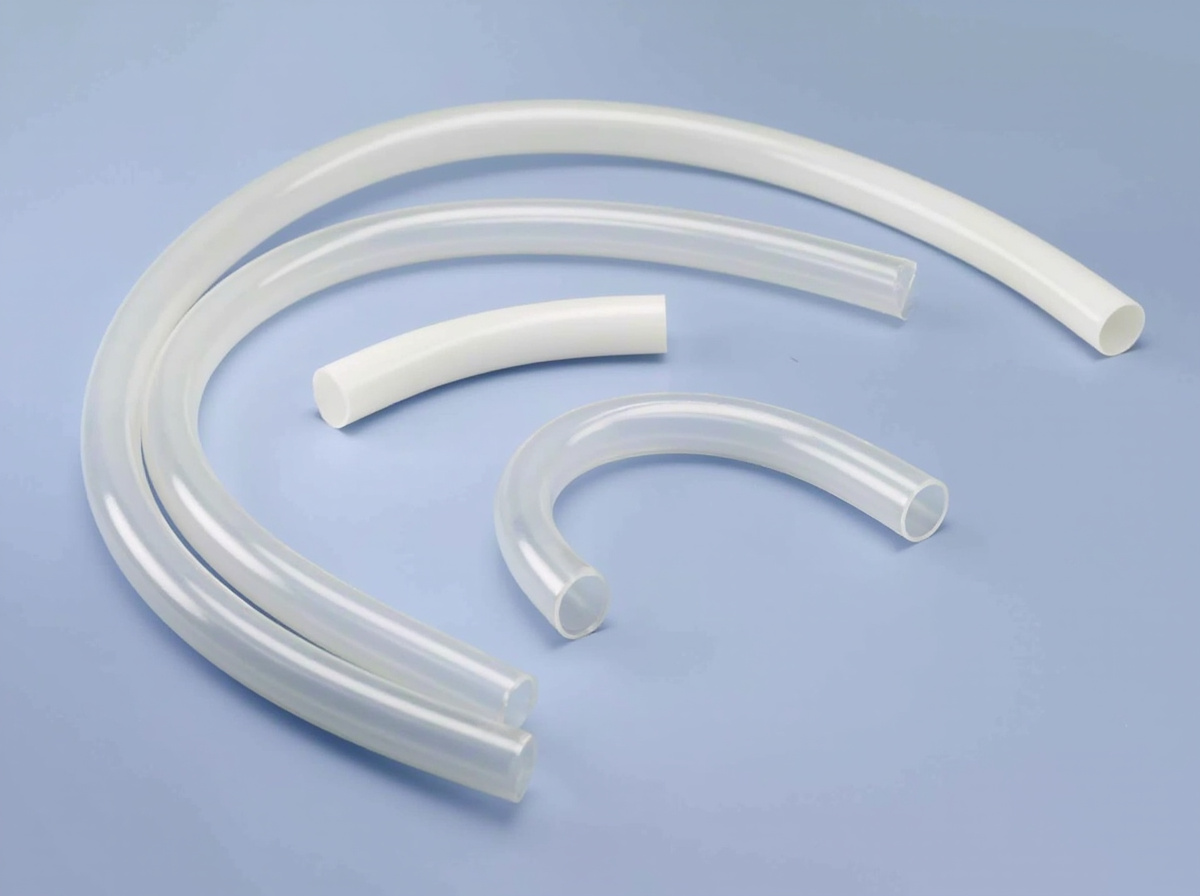
silicone manufacturing involves specialized processes tailored to material properties and application requirements. Common manufacturing methods include casting, forging, machining, and additive manufacturing, each offering distinct advantages for specific component geometries and performance criteria.
Соображения по выбору материала
Selecting silicone for engineering applications requires evaluating multiple performance criteria against cost constraints and manufacturing feasibility. Key considerations include mechanical properties, environmental resistance, processing characteristics, and lifecycle costs.
Анализ соотношения производительности и стоимости
Material selection balances performance requirements against economic constraints. silicone offers specific advantages in applications requiring [performance characteristic], though alternative materials may provide better cost-performance ratios for less demanding applications.
Экологические и регуляторные факторы
Environmental regulations and sustainability considerations increasingly influence material selection. silicone compliance with relevant standards and regulations must be verified for specific applications and geographic markets.
Будущие разработки и тенденции
Advancements in silicone technology continue to expand application possibilities while addressing sustainability concerns. Emerging trends include improved processing efficiency, enhanced material properties through alloy development, and increased focus on recyclability and circular economy principles.
Заключение
silicone represents a critical material category with diverse industrial applications spanning manufacturing, construction, electronics, and beyond. Understanding its fundamental properties, processing characteristics, and application-specific considerations enables engineers and procurement professionals to make informed material selection decisions that balance performance, cost, and sustainability requirements.
ЧАСТО ЗАДАВАЕМЫЕ ВОПРОСЫ
Как определить, подходит ли руководство «Силиконовые материалы: свойства, виды и промышленное применение» для конкретной детали?
Руководство «Силиконовые материалы: свойства, типы и промышленное применение»: деталь подходит для использования, если её грузоподъёмность, температурный диапазон, устойчивость к воздействию влаги, износостойкость и метод обработки соответствуют реальным условиям эксплуатации.
Какие свойства следует проверить в руководстве «Силиконовый материал: свойства, типы и промышленное применение»?
Проверить прочность, жесткость, ударопрочность, термостойкость, влагопоглощение, стабильность размеров, коэффициент трения, износостойкость и химическую совместимость.
В чём заключается наибольший риск при выборе руководства «Силиконовые материалы: свойства, виды и промышленное применение»?
Наибольший риск заключается в том, чтобы ориентироваться на значения из технического паспорта, не учитывая реальные условия эксплуатации, метод обработки, геометрию детали и долгосрочную эксплуатацию.
Когда следует проводить испытания руководства «Силиконовые материалы: свойства, виды и промышленное применение» перед запуском в производство?
Проведение испытаний рекомендуется в случаях, когда деталь подвергается воздействию нагрузок, высоких температур, химических веществ, влаги, должна соответствовать жестким допускам, нормативным требованиям или эксплуатироваться в новых условиях.