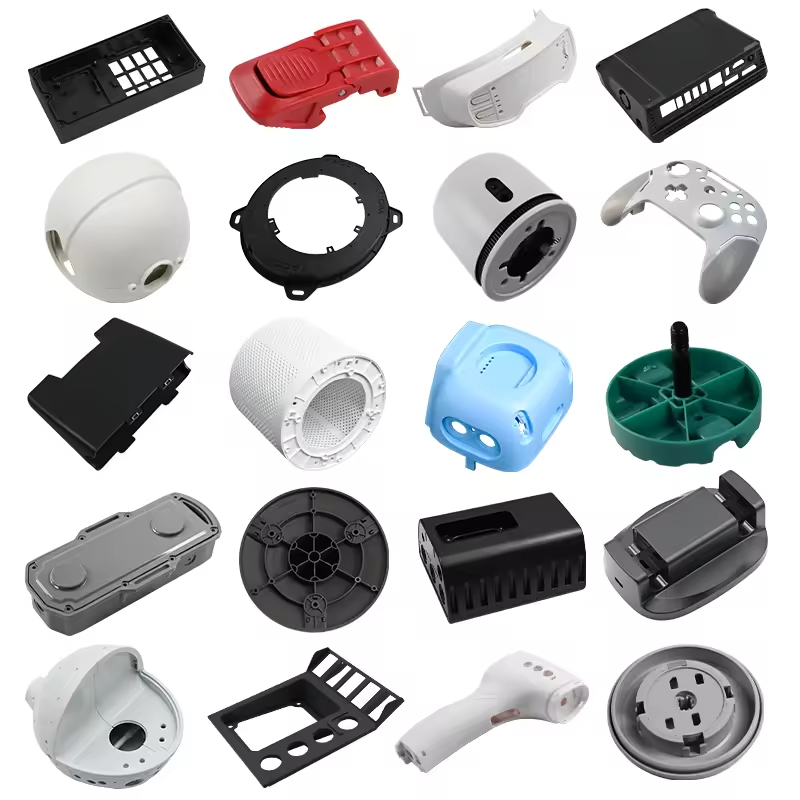


Design for Manufacturing (DFM) Overview
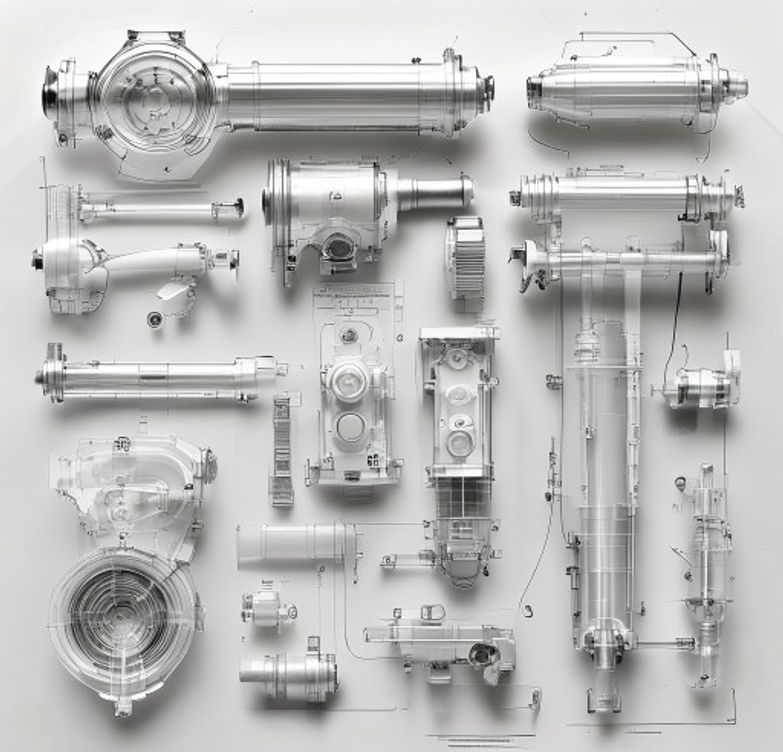
Design for Manufacturing considers production requirements early in the design phase. For injection molding, DFM prevents costly mold modifications, improves part quality, and reduces production costs.
Wall Thickness Design
Uniform Walls
- Consistent thickness prevents warpage and sink marks
- Target 2-3mm for typical parts
- Transitions should be gradual (3:1 ratio)
Material-Specific Guidelines
| Материал | Min (mm) | Recommended (mm) | Max (mm) |
|---|---|---|---|
| ABS | 1.0 | 2.0-2.5 | 4.0 |
| PP | 0.8 | 2.0 | 5.0 |
| ПК | 1.0 | 2.0-3.0 | 4.5 |
| PA (нейлон) | 0.8 | 1.5-2.5 | 3.5 |
| POM | 1.0 | 2.0 | 3.5 |
Ribs and Bosses
Rib Design
- Thickness: 50-70% of adjacent wall
- Height: Maximum 3× wall thickness
- Draft: 0.5-1° minimum
- Spacing: 2× wall thickness minimum
Boss Design
- Wall thickness: 60-70% of nominal wall
- Core hole depth: 2-3× diameter
- Include radii at base
- Consider draft for ejection
Corners and Radii
Draft Angles
- Standard surfaces: 0.5-1° minimum
- Текстурированные поверхности: 2-5° depending on texture
- Глубокие возможности: Increase draft proportionally
- Усадка: Account for material shrinkage in draft
Undercuts and Side Actions
Designing Without Undercuts
- Reduces mold complexity
- Lower tooling cost
- Simpler maintenance
When Undercuts Are Necessary
- Use side actions (slides)
- Consider lifters for internal undercuts
- Design for proper release angles
Gating Considerations
- Position gates in non-visible areas
- Consider gate vestige requirements
- Account for weld line locations
- Design for automated degating when possible
Common Design Errors
- Sharp internal corners causing stress
- Insufficient draft causing ejection issues
- Thick sections causing sink marks
- Undercuts without proper mechanisms
- Ignoring shrinkage tolerances
DFM Checklist
- ☐ Uniform wall thickness throughout
- ☐ Adequate draft angles specified
- ☐ Radii on all internal corners
- ☐ Ribs properly proportioned
- ☐ Bosses designed for function
- ☐ Undercuts identified and addressed
- ☐ Gate locations proposed
- ☐ Material shrinkage accounted
Заключение
DFM for injection molding prevents costly iterations and ensures manufacturable designs. Involve manufacturing engineers early in the design process.
Связанные ресурсы
- Сравнение ПЭЭК и ПЭИ
- Огнестойкие пластики
- Руководство по пищевым пластикам
- Обработка нейлона для защиты от влаги
- Moisture Effects on Nylon
ЧАСТО ЗАДАВАЕМЫЕ ВОПРОСЫ
When does Plastic Part Design for Manufacturing — DFM Guidelines for Injection Molding make sense?
Plastic Part Design for Manufacturing — DFM Guidelines for Injection Molding makes sense when the part volume, material choice, geometry, and repeatability needs justify mold design and tooling investment.
What design factors matter most for Plastic Part Design for Manufacturing — DFM Guidelines for Injection Molding?
На качество литой детали влияют такие факторы, как толщина стенок, ребра, выступы, угол наклона, расположение литника, усадка, линия разъема и выталкивание.
Какая информация необходима перед изготовлением пресс-формы?
Поставщик должен подтвердить 3D-модель, материал, предполагаемый годовой объем, требования к внешнему виду, допустимые отклонения, а также любые требования к сборке или функциональным испытаниям.
What is the biggest risk in Plastic Part Design for Manufacturing — DFM Guidelines for Injection Molding?
Наибольший риск заключается в утверждении инструментария до того, как поведение материала, усадка, течение и функциональность детали будут полностью проверены в условиях реального применения.