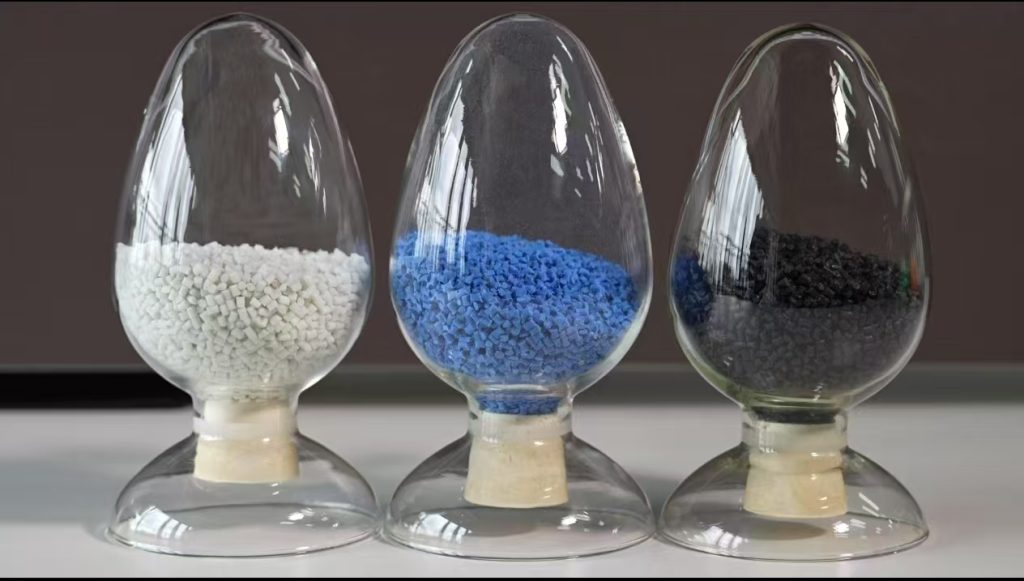
Выбор между PA11 и PA12 обычно возникает в тех случаях, когда стандартные марки PA6 или PA66 больше не подходят для конкретного применения. Оба материала представляют собой длинноцепочечные нейлоны с низким уровнем поглощения влаги и высокой химической стойкостью, однако они не являются взаимозаменяемыми во всех проектах.
Если ваша деталь должна сохранять гибкость, выдерживать контакт с топливом, противостоять воздействию хлоридов или сохранять более точные размеры в условиях повышенной влажности, это сравнение поможет вам определиться с правильным выбором ещё до того, как вы запросите коммерческие предложения.
PA11 vs PA12 at a Glance
| Decision | PA11 Direction | PA12 Direction |
|---|---|---|
| Flexibility and low-temperature toughness | Often favored | Grade-dependent |
| Lowest moisture uptake | Low for a nylon | Usually lower than PA11 |
| Bio-based feedstock route | Common commercial reason | Usually fossil-based, with exceptions by supplier |
| Tubing or fuel systems | Both require exact fluid, pressure, temperature, wall, and approval validation | |
These are screening directions, not universal property guarantees. Compare the exact grade, conditioning state, test method, and regulatory approval before substitution.
Что общего у этих двух материалов
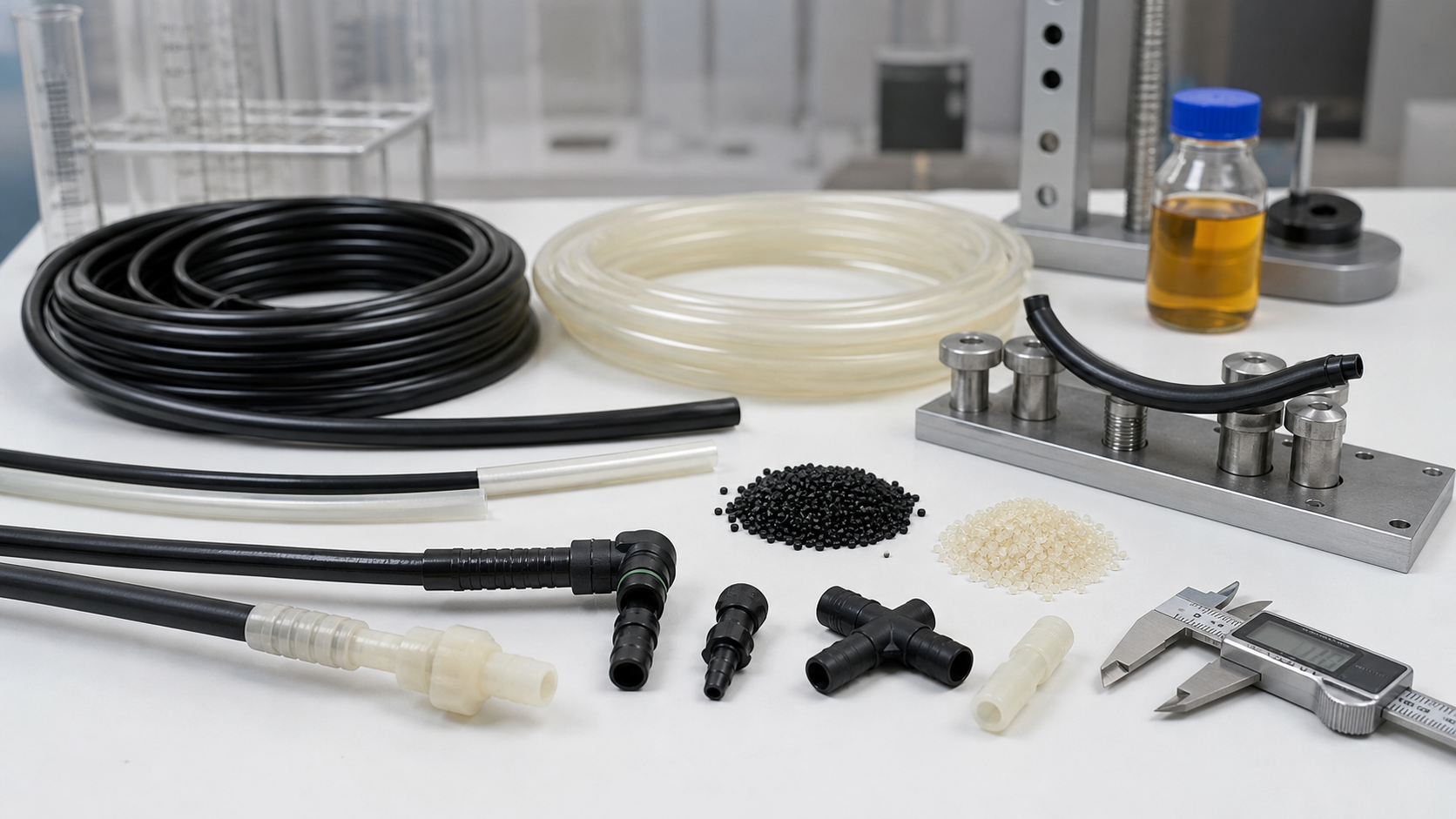
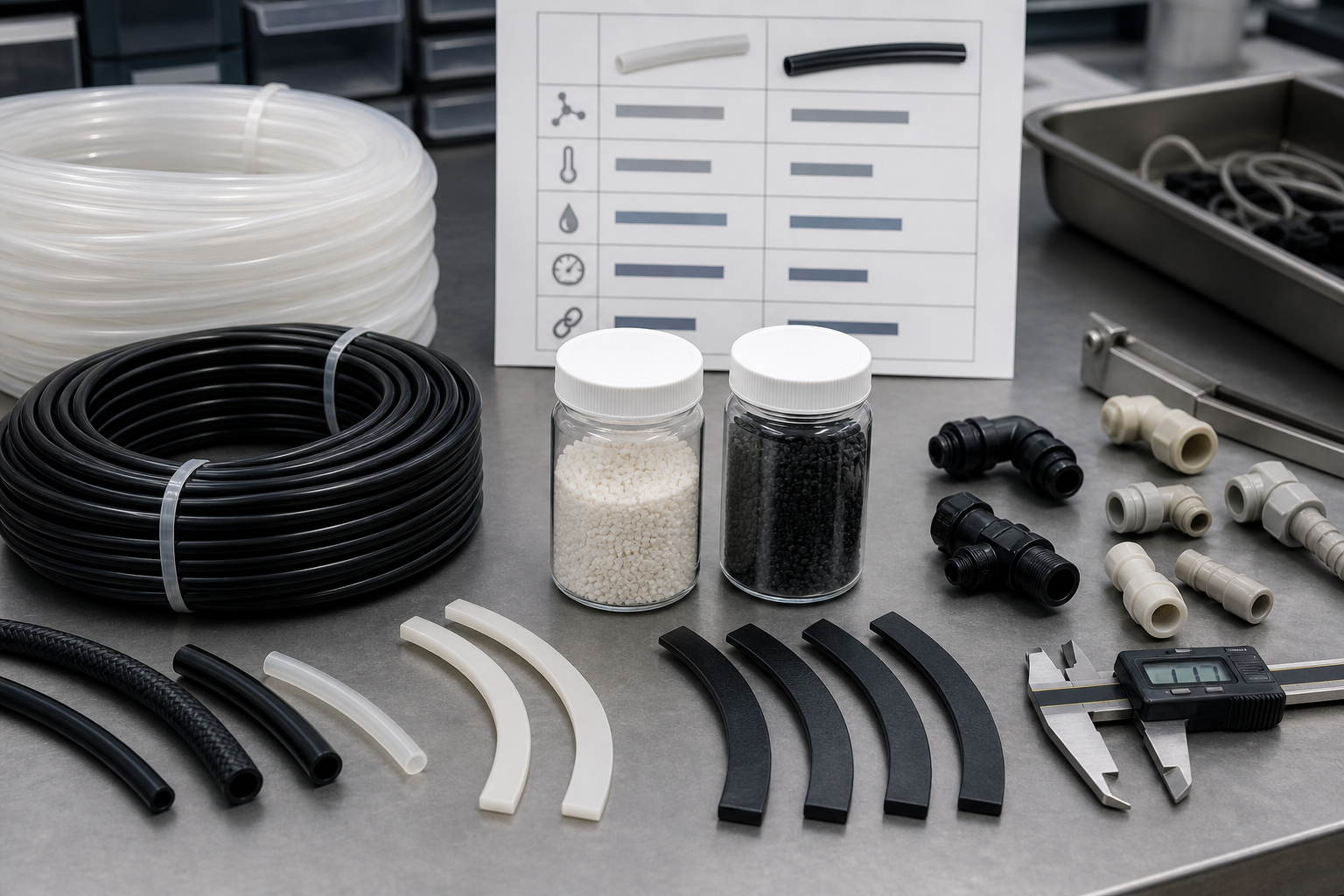
Материалы PA11 и PA12 отличаются более низким уровнем поглощения влаги по сравнению с PA6 и PA66, что способствует стабильности размеров и сохранению механических характеристик. Они широко применяются в производстве трубок, соединителей, кабельной фурнитуры и гибких компонентов, эксплуатируемых в более суровых условиях.
Оба сорта также являются отличным выбором в тех случаях, когда покупателям требуется более высокая химическая совместимость, чем может обеспечить обычный короткоцепочечный нейлон.
Где кандидат PA11, как правило, побеждает
Материал PA11 часто выбирают в тех случаях, когда в число преимуществ входят использование сырья биологического происхождения, устойчивость к ударам при низких температурах и долговечная гибкость. Он также подходит для проектов, в которых наряду с функциональными характеристиками важное значение имеют аспекты экологической устойчивости.
Для некоторых гибких систем и систем, устанавливаемых на открытом воздухе, PA11 может обеспечить оптимальный баланс между надежностью и экологичностью.
Где PA12, как правило, одерживает победу
PA12 часто предпочитают использовать в системах подачи топлива и жидкостей благодаря его крайне низкой влагопоглощаемости, высокой стабильности размеров и многолетнему опыту применения в производстве автомобильных трубок и соединительных узлов.
Если в конкретной области применения большое значение имеют такие факторы, как набухание, изменение размеров или эксплуатационные характеристики при низких температурах, PA12 часто быстро попадает в список финалистов.
| Фактор принятия решения | PA11 | PA12 |
|---|---|---|
| Поглощение влаги | Низкий | Очень низкий |
| Содержание биологического происхождения | Значительное преимущество | Как правило, нефтехимическая |
| История топливной системы | Хорошо | Очень сильный |
| Использование гибких трубок | Сильный | Сильный |
| Стабильность размеров при изменении влажности | Хорошо | Часто лучше |
Как отделам закупок следует их сравнивать
Не стоит сравнивать только цену смолы за килограмм. Необходимо учитывать совокупные затраты, связанные с сертификацией, эксплуатационной надежностью, кондиционированием влажности, а также риск брака в случае, если при сборке изделие несоответствующего сорта изменит свои размеры.
Важную роль играют также возможности поставщика, глобальная доступность и поддержка в разработке рецептур, поскольку во многих проектах требуются стабилизированные, проводящие или наполненные варианты, а не обычная базовая смола.
Buyer Questions Before Requesting a Substitute
- Is the existing material identified by an exact grade and approval, or only by PA11/PA12?
- Which fuel, salt, cleaner, humidity, temperature, pressure, and exposure duration apply?
- Are dimensions checked dry, conditioned, or after fluid exposure?
- Must the supplier document bio-based content, recycled content, food contact, automotive, or other compliance?
- Will the part be extruded, molded, machined, or printed, and is the quoted grade qualified for that route?
For tubing and fluid systems, material approval should follow the complete assembly rather than a resin plaque alone. Bend radius, connector retention, permeation, pressure cycling, thermal cycling, fluid aging, and dimensional recovery can expose differences that a short tensile comparison misses. Define the test medium, temperature, duration, sample conditioning, and pass/fail criteria before comparing supplier samples.
Как нейлоновый пластик способствует проведению обзора
Nylon Plastic has worked across material modification and finished plastic-part manufacturing since 2005. This allows buyers to connect the resin decision with extrusion, injection molding, CNC machining, or additive-manufacturing constraints rather than approving a grade from a family name or one dry data-sheet value.
- Compare unfilled PA, PA-GF20, and PA-CF30 against the actual failure mode.
- Review custom compounding when a standard grade misses stiffness, impact, color, wear, heat, or compliance requirements.
- Define TDS, COA, moisture, sample approval, traceability, and lot-release requirements before volume ordering.
Related Reading
- Long-Chain Nylons PA11 and PA12
- Руководство по стойкости нейлона к воздействию топлива
- Modified Nylon Materials
Часто задаваемые вопросы
В чём заключается основное различие между PA11 и PA12?
PA11 is often selected for flexibility, low-temperature toughness, and a bio-based feedstock route, while PA12 is often selected for lower moisture uptake and dimensional stability. Exact grades still require application testing.
Что лучше для топливных магистралей: PA11 или PA12?
Both families contain grades used in fluid systems. The correct choice depends on fuel blend, additives, pressure, temperature, wall thickness, permeation target, fittings, and the required qualification standard.
Can PA11 and PA12 be substituted using only a data sheet?
No. Compare conditioning, test method, processing route, dimensional state, chemical exposure, and approval status, then validate the actual component.
What should a PA11 or PA12 RFQ include?
Include the incumbent grade, drawing, process, annual volume, service fluids, pressure, temperature, humidity, critical dimensions, color, and required certifications.
Request a PA11 or PA12 Grade Review
Send the drawing, current grade, process route, annual volume, and service environment for a material and documentation review.