
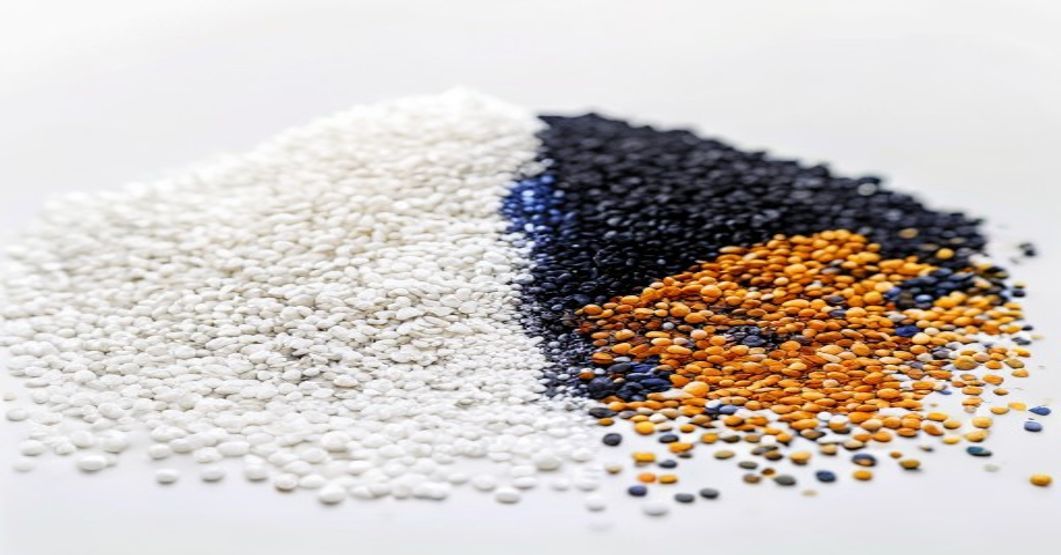
Nylon and polypropylene are two of the most widely used thermoplastics in manufacturing. While they may appear similar at first glance, their properties, costs, and ideal applications differ significantly.
Material Overview
Nylon (polyamide) is an engineering thermoplastic known for its strength, toughness, and heat resistance. Polypropylene (PP) is a commodity thermoplastic valued for its chemical resistance, low density, and cost-effectiveness.
Key Property Differences at a Glance
| Недвижимость | Нейлон (PA6) | Полипропилен (PP) |
|---|---|---|
| Плотность (г/см³) | 1.13-1.15 | 0.90-0.91 |
| Прочность на разрыв (МПа) | 70-85 | 25-40 |
| Температура плавления (°C) | 220 | 160-170 |
| Cost per kg (relative) | $$$ | $ |
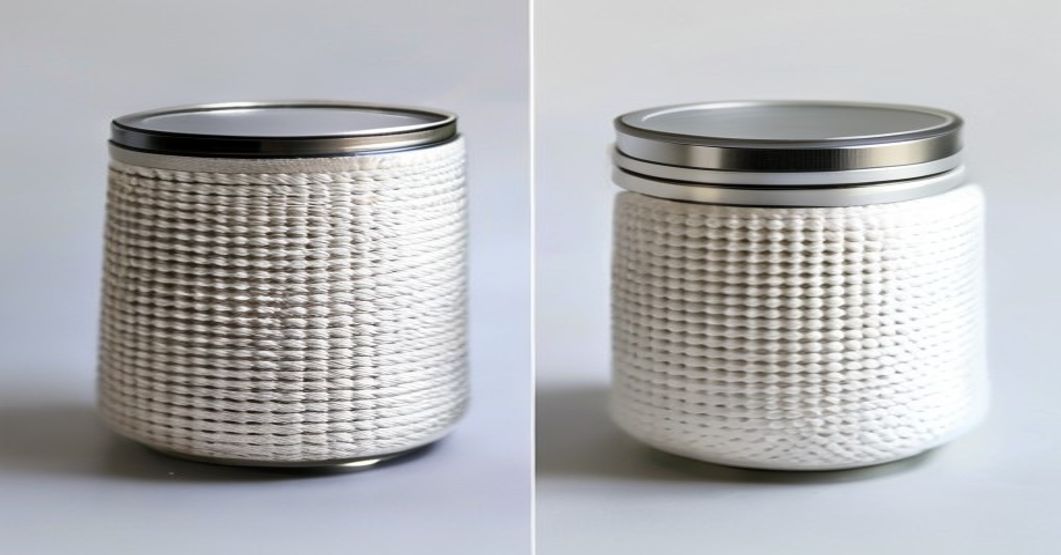
Механические характеристики
Nylon significantly outperforms polypropylene in mechanical properties. Nylon offers 2-3 times the tensile strength and substantially higher stiffness.
Fatigue and Wear Resistance
Nylon exhibits excellent fatigue resistance and self-lubricating properties, making it ideal for gears, bearings, and moving parts.
Тепловые свойства
Nylon maintains its mechanical properties at significantly higher temperatures than polypropylene. While PP softens around 100°C, nylon (especially PA66) can operate continuously at 100-120°C.
Химическая стойкость
This is where polypropylene excels. PP has outstanding resistance to acids, bases, and many organic solvents. Nylon is susceptible to strong acids and certain solvents.
Moisture Behavior
Polypropylene is virtually hydrophobic—it absorbs almost no water. Nylon, in contrast, absorbs moisture from the environment, which can cause dimensional changes.
Processing and Manufacturing
Литье под давлением
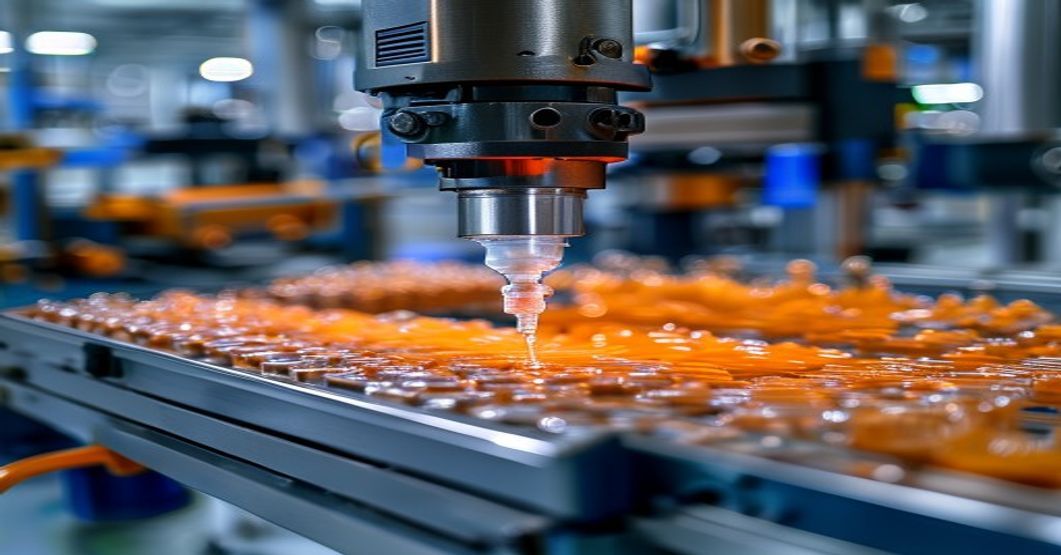
Both materials process well in injection molding: PP at 200-250°C with shorter cycles; Nylon at 230-300°C requiring careful drying.
Part Design Considerations
Polypropylene has higher shrinkage (1.5-2.5%) than nylon (0.8-1.5%), requiring more generous draft angles.
Анализ затрат
Polypropylene is one of the most economical thermoplastics available, typically costing 50-70% less than nylon per kilogram.
Руководство по применению
Когда следует выбирать нейлон:
- High mechanical strength is required
- Parts will experience elevated temperatures
- Износостойкость имеет значение
- Applications: automotive components, power tools, industrial gears
Choose Polypropylene When:
- Chemical resistance is a priority
- Cost is the primary driver
- Moisture exposure is unavoidable
- Applications: chemical containers, living hinges, food packaging
Наши возможности
С более чем 300 станков с ЧПУ, Мы производим более 10 000 штук в день с такими жесткими допусками, как ±0,005 мм. Мы принимаем MOQ от 1 шт., Сроки доставки варьируются от От 24 часов до 15 дней. Получите предложение в течение 24 часов.
Nylon vs Polypropylene: Practical Selection Table
| Требование | Нейлон | Полипропилен |
|---|---|---|
| Strength and stiffness | Usually higher for load-bearing engineering parts | Lower density with useful fatigue flexibility |
| Влажность | Absorbs moisture; condition and inspect dimensions | Very low water absorption but different creep behavior |
| Wear and heat | Useful wear and temperature options by grade | Good chemical resistance and living-hinge behavior |
| Processing choice | Dry resin and control shrinkage, flow and fiber orientation | Control shrinkage, weld lines and cooling balance |
Choose the resin from the service environment and inspection plan, not from tensile strength alone. Confirm moisture, temperature, chemical exposure, cycle life and allowable dimensional change on the finished part.
ЧАСТО ЗАДАВАЕМЫЕ ВОПРОСЫ
How do you know whether Nylon vs Polypropylene: Material Selection Guide for Engineering Applications fits a part?
Nylon vs Polypropylene: Material Selection Guide for Engineering Applications fits a part when its load capacity, temperature range, moisture exposure, wear behavior, and processing method match the real service conditions.
What properties should be checked for Nylon vs Polypropylene: Material Selection Guide for Engineering Applications?
Проверить прочность, жесткость, ударопрочность, термостойкость, влагопоглощение, стабильность размеров, коэффициент трения, износостойкость и химическую совместимость.
What is the biggest selection risk for Nylon vs Polypropylene: Material Selection Guide for Engineering Applications?
Наибольший риск заключается в том, чтобы ориентироваться на значения из технического паспорта, не учитывая реальные условия эксплуатации, метод обработки, геометрию детали и долгосрочную эксплуатацию.
When should Nylon vs Polypropylene: Material Selection Guide for Engineering Applications be tested before production?
Проведение испытаний рекомендуется в случаях, когда деталь подвергается воздействию нагрузок, высоких температур, химических веществ, влаги, должна соответствовать жестким допускам, нормативным требованиям или эксплуатироваться в новых условиях.

