
Infill — это актуальная инженерная тема, когда необходимо сравнить различные варианты, проверить предельные значения и выбрать технологический процесс с меньшим риском.
Infill pattern selection affects print strength, weight, speed, and material usage. While many users stick with default settings, understanding pattern characteristics helps optimize prints for specific applications.
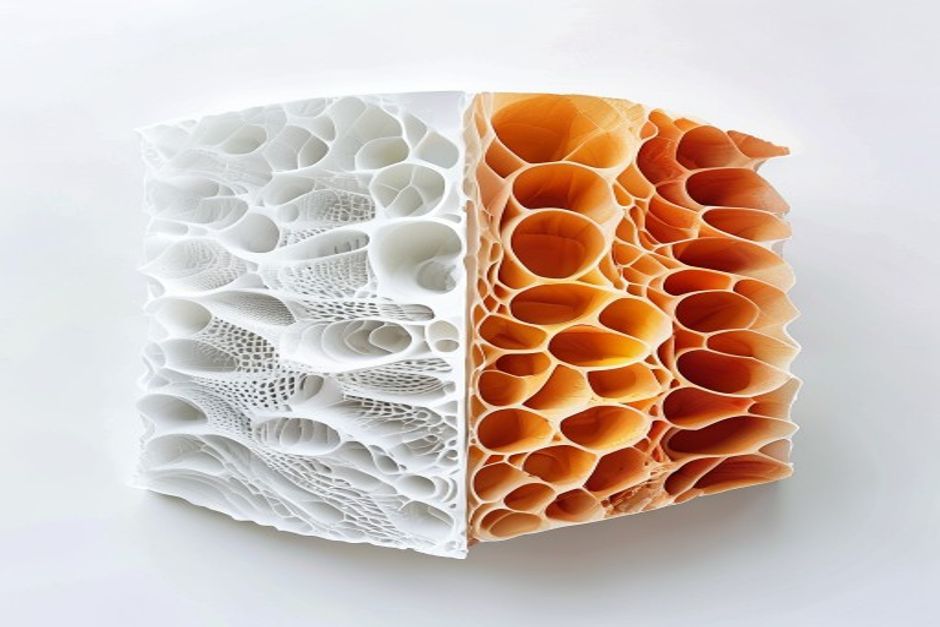
Why Infill Pattern Matters
Infill serves multiple purposes:
- Structural support: Provides internal strength
- Top surface support: Prevents sagging on flat surfaces
- Снижение веса: Varies density without proportional strength loss
- Material savings: Reduces print cost and time
Применение в производстве benefit significantly from optimized infill.
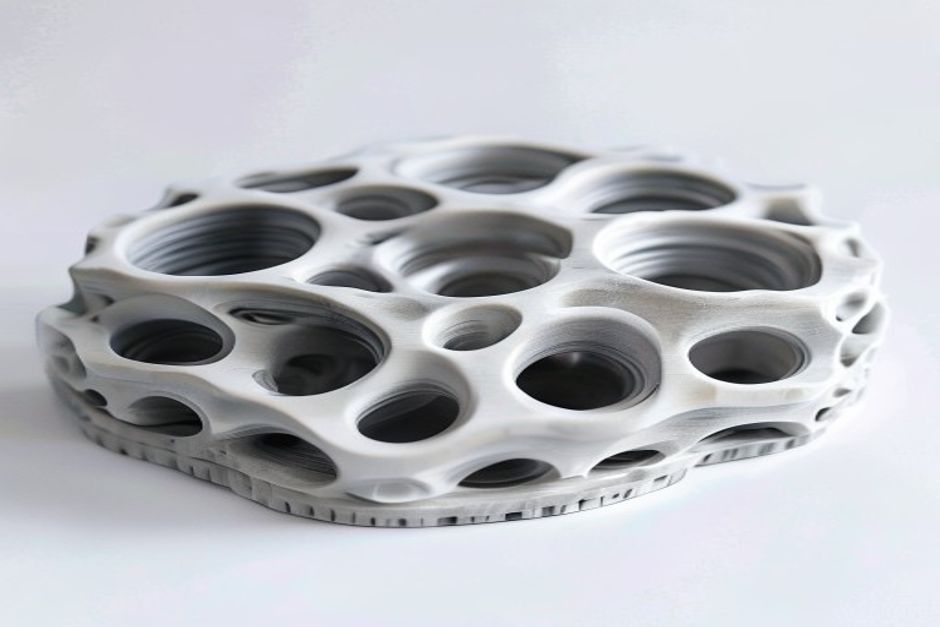
Pattern Comparison
Honeycomb (Hexagonal)
Характеристики:
- Excellent strength-to-weight ratio
- Even stress distribution
- Medium print time
- Good for most applications
Лучшее для: General-purpose functional parts
Glass-filled materials pair well with honeycomb.
Gyroid
Характеристики:
- Superior isotropic strength (equal in all directions)
- Good vibration damping
- Slightly longer print time
- Excellent for load-bearing parts
Лучшее для: Parts with multi-directional loads
Cubic
Характеристики:
- Good strength, slightly anisotropic
- Fast printing
- Легко распечатать
- Good for standard applications
Лучшее для: Quick prototypes, non-critical parts
Triangular
Характеристики:
- High strength in specific directions
- Fast printing
- Good for specific load cases
- Directional properties
Лучшее для: Parts with known load direction
Grid/Rectilinear
Характеристики:
- Fastest printing
- Lowest material usage
- Weakest structure
- Good for non-structural parts
Лучшее для: Display models, light-duty applications
Lightning
Характеристики:
- Minimal material usage
- Fast printing
- Weak structure
- Automatic density adjustment
Лучшее для: Top surface support only, not structural
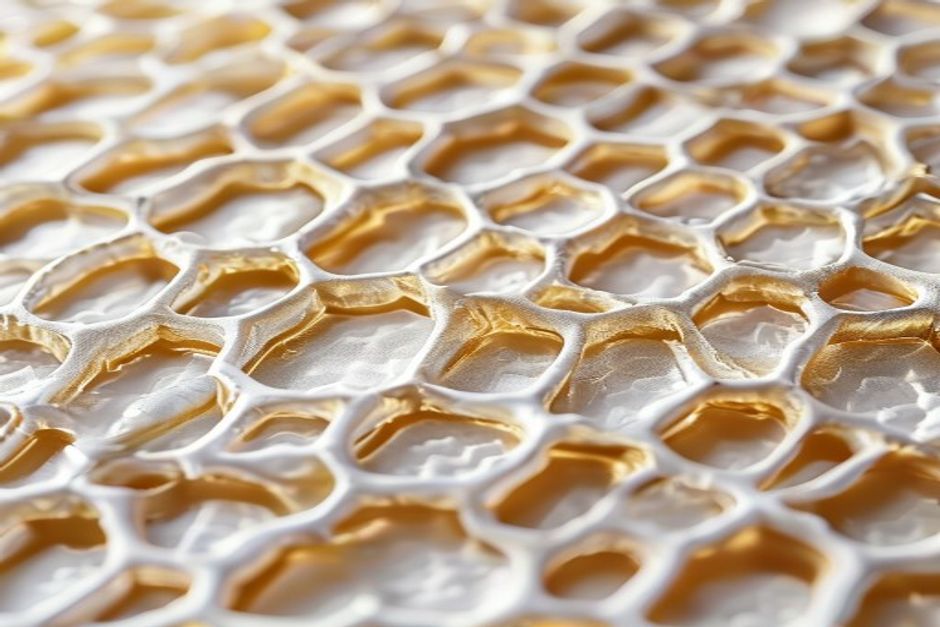
Strength Comparison
| Pattern | Tensile | Compressive | Shear | Изотропия |
|---|---|---|---|---|
| Gyroid | ★★★★★ | ★★★★★ | ★★★★★ | Превосходно |
| Honeycomb | ★★★★☆ | ★★★★★ | ★★★★☆ | Хорошо |
| Cubic | ★★★★☆ | ★★★★☆ | ★★★☆☆ | Умеренный |
| Triangular | ★★★☆☆ | ★★★★☆ | ★★★★☆ | Бедный |
| Grid | ★★☆☆☆ | ★★★☆☆ | ★★☆☆☆ | Бедный |
| Lightning | ★☆☆☆☆ | ★★☆☆☆ | ★☆☆☆☆ | Н/Д |
Density Recommendations
| Заявка | Плотность | Pattern |
|---|---|---|
| Display only | 10-15% | Grid |
| Light duty | 15-20% | Cubic |
| Стандарт | 20-30% | Honeycomb |
| Functional | 30-50% | Gyroid |
| High strength | 50-80% | Gyroid |
| Solid | 100% | Any |
Speed Impact
Relative print time at 20% infill:
| Pattern | Relative Speed |
|---|---|
| Lightning | 100% (fastest) |
| Grid | 95% |
| Triangular | 90% |
| Cubic | 85% |
| Honeycomb | 75% |
| Gyroid | 70% |
Material costs should factor into pattern selection.
ЧАСТО ЗАДАВАЕМЫЕ ВОПРОСЫ
When is Infill Patterns Explained — Strength, Speed & Material Usage Compared a good option?
Infill Patterns Explained — Strength, Speed & Material Usage Compared is a good option when fast iteration, complex geometry, low tooling cost, or low-volume production is more important than molded-part unit cost.
What should be checked before choosing Infill Patterns Explained — Strength, Speed & Material Usage Compared?
Проверьте размер детали, свойства материала, качество обработки поверхности, допуск на размеры, тепловое воздействие, направление нагрузки и необходимость последующей обработки.
How does Infill Patterns Explained — Strength, Speed & Material Usage Compared compare with CNC machining?
3D-печать позволяет быстро создавать сложные формы, в то время как обработка на станках с ЧПУ часто более эффективна для получения точных поверхностей, более жестких допусков и материалов производственного класса.
What affects the cost of Infill Patterns Explained — Strength, Speed & Material Usage Compared?
Стоимость зависит от материала, объема сборки, времени печати, высоты слоя, удаления поддержки, финишной обработки, контроля и количества деталей в сборке.

