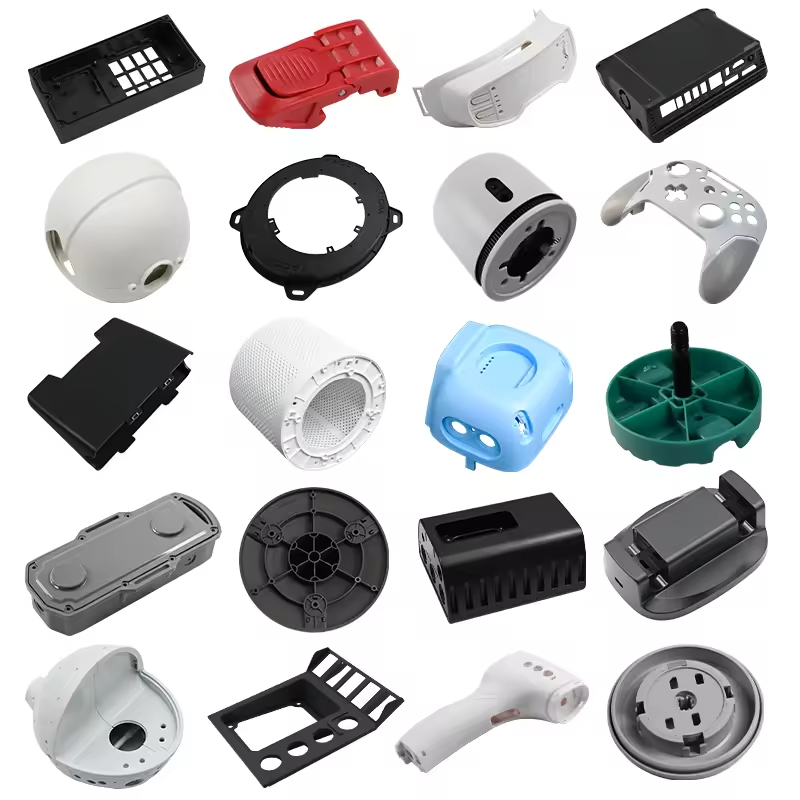
The runner system—the channels that deliver molten plastic from the injection unit to the mold cavities—fundamentally affects your production economics and part quality. For nylon molding, the choice between hot runner and cold runner systems involves careful consideration of material costs, production volume, part requirements, and initial tooling investment.
Understanding Runner Systems
Cold Runner Systems
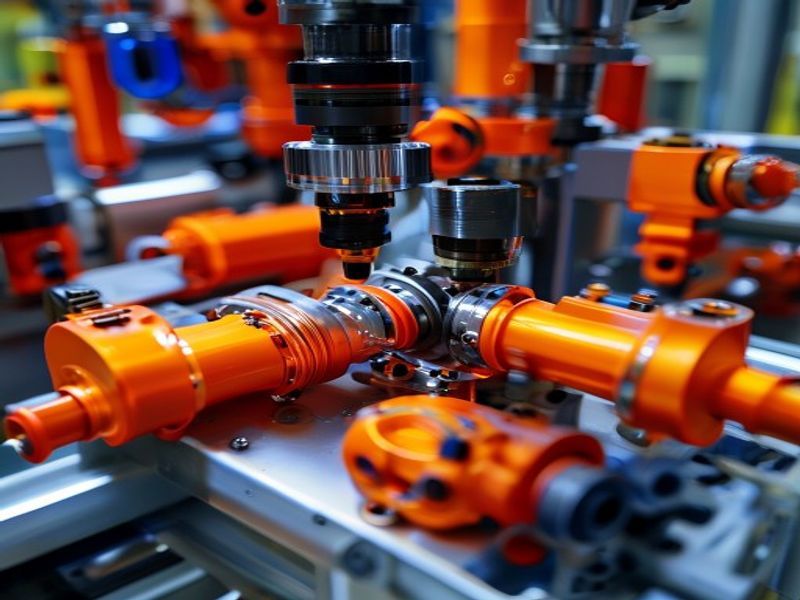
In cold runner molds, the runner channels are part of the mold cavity. Material in the runners solidifies with each cycle and is ejected along with the parts. This runner material must be reground and reprocessed—or discarded—adding cost and complexity. For nylon, cold runners work well for lower-volume production and when color changes are frequent.
Hot Runner Systems
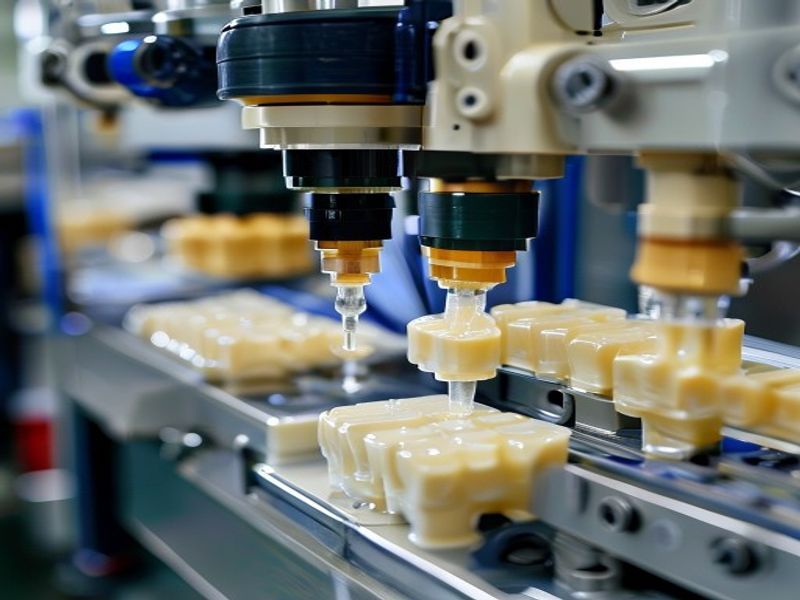
Hot runner systems maintain the material in the runner at molten temperature between cycles. Only the material that enters the cavities solidifies—eliminating runner waste. This provides significant material savings for high-volume production and enables faster cycle times since you don’t need to cool the runners.
Comparison for Nylon Applications
| Фактор | Cold Runner | Hot Runner |
|---|---|---|
| Material waste | 15-40% runner scrap | Minimal (gates only) |
| Стоимость инструментов | Нижний | Higher (+30-50%) |
| Время цикла | Longer | Shorter (10-20%) |
| Color changes | Легко | Difficult, time-consuming |
| Maintenance | Simple | Complex, requires expertise |
| Идеально подходит для | Low-medium volume, multi-color | High volume, single color |
Nylon-Specific Considerations
Thermal Sensitivity
Nylon is sensitive to extended heat exposure. In hot runner systems, material residence time in the manifold must be carefully controlled to prevent degradation. Proper temperature management and appropriate residence time calculations are essential.
Moisture Content
Properly dried nylon is critical for hot runner processing. Any moisture in the material causes splay and can lead to degradation in the hot runner system. Ensure material is dried to less than 0.2% moisture content before processing.
Glass-Filled Grades
Glass-reinforced nylons are abrasive and can cause wear in hot runner components—particularly at gates and nozzles. Select hot runner systems with hardened or carbide-lined components for filled materials.
Cost Analysis Example
Consider a 50-gram nylon part with a 30-gram runner (37.5% scrap rate) at $3.50/kg material cost. Cold runner material cost per shot: $0.28. Hot runner material cost per shot: $0.175. Savings per shot: $0.105. At 100,000 cycles: $10,500 in material savings. Hot runner tooling premium: $15,000-25,000. Break-even point: 150,000-250,000 cycles. For production volumes exceeding 250,000 parts, hot runner systems typically deliver better total cost of ownership.
ЧАСТО ЗАДАВАЕМЫЕ ВОПРОСЫ
When does Hot Runner vs Cold Runner Systems for Nylon Molding make sense?
Hot Runner vs Cold Runner Systems for Nylon Molding makes sense when the part volume, material choice, geometry, and repeatability needs justify mold design and tooling investment.
What design factors matter most for Hot Runner vs Cold Runner Systems for Nylon Molding?
На качество литой детали влияют такие факторы, как толщина стенок, ребра, выступы, угол наклона, расположение литника, усадка, линия разъема и выталкивание.
Какая информация необходима перед изготовлением пресс-формы?
Поставщик должен подтвердить 3D-модель, материал, предполагаемый годовой объем, требования к внешнему виду, допустимые отклонения, а также любые требования к сборке или функциональным испытаниям.
What is the biggest risk in Hot Runner vs Cold Runner Systems for Nylon Molding?
Наибольший риск заключается в утверждении инструментария до того, как поведение материала, усадка, течение и функциональность детали будут полностью проверены в условиях реального применения.