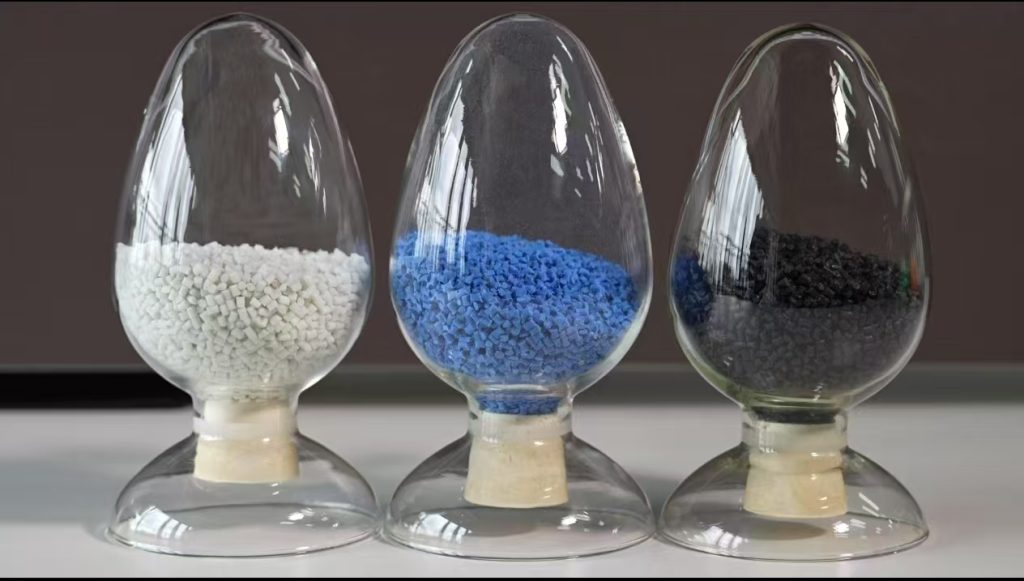
Стекло — это актуальная инженерная тема, когда необходимо сравнить различные варианты, проверить предельные значения и выбрать технологический процесс с меньшим риском.
Как нейлон, армированный стекловолокном, так и нейлон, армированный углеродным волокном, обладают значительно улучшенными свойствами по сравнению с неармированным нейлоном. Понимание компромиссов поможет вам сделать правильный выбор материала для конкретной области применения.
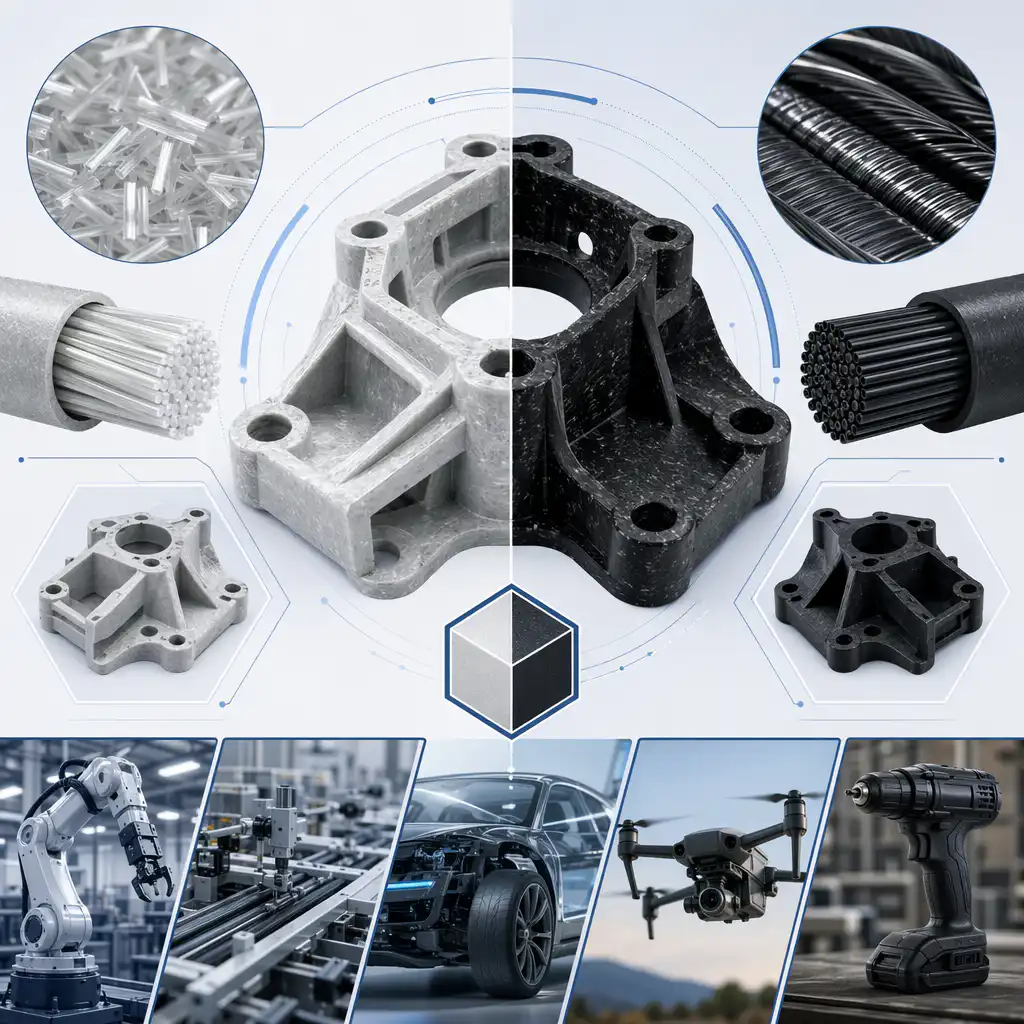
Для инженерных и закупочных подразделений
Choosing Reinforcement for a Nylon Production Part?
This reinforced nylon comparison is for procurement and early DFM decisions: glass fiber usually offers the lower-cost structural route, while carbon fiber may justify its premium when stiffness-to-weight dominates.
- Choose glass fiber for cost-effective strength and broad molding use
- Choose carbon fiber when stiffness-to-weight is the primary requirement
- Review conductivity, surface finish, fiber direction and tooling wear before release
Request a reinforced nylon sourcing review → Ознакомьтесь с услугами по литью под давлением изделий из нейлона
Сравнение объектов недвижимости
Прочность на разрыв: Нейлон, армированный углеродным волокном, демонстрирует прочность на разрыв 70–90 МПа, в то время как у нейлона, армированного стекловолокном, этот показатель составляет 40–60 МПа. Эта разница имеет большое значение для применения в конструкциях.
Жесткость: Углеродное волокно обеспечивает в 2–3 раза большее повышение жесткости по сравнению со стекловолокном при одинаковой доле наполнителя. Нейлон, армированный углеродным волокном 20%, по жесткости приближается к нейлону, армированному стекловолокном 30%.
Вес: Углеродное волокно примерно на 70% легче стекловолокна. Детали, армированные углеродным волокном, заметно легче своих аналогов из стекловолокна — это имеет решающее значение для снижения веса в аэрокосмической и автомобильной отраслях.
Термические свойства: Углеродное волокно снижает тепловое расширение на 50–70%, в то время как стекловолокно обеспечивает снижение на 30–50%. Детали, армированные углеродным волокном, лучше сохраняют свои размеры при термоциклировании.
Сравнение затрат
Именно здесь компромисс становится особенно очевидным. Нейлон, армированный углеродным волокном, стоит в 3–5 раз дороже, чем нейлон аналогичного класса, армированный стекловолокном. Во многих случаях дополнительные затраты на углеродное волокно не оправдываются улучшением эксплуатационных характеристик. Нейлон, армированный стекловолокном, с нагрузкой 30% представляет собой отличное соотношение цены и качества для большинства инженерных задач.
Вопросы, связанные с производством
Оба материала обладают абразивными свойствами и требуют использования закаленных инструментов. Материалы, армированные стекловолокном, проще обрабатывать, при этом износ пресс-форм при этом меньше. Более низкое тепловое расширение углеродного волокна может даже упростить некоторые производственные процессы, однако его абразивные свойства ускоряют износ оборудования.
Рекомендации для конкретных приложений
- Выбирайте нейлон, армированный стекловолокном, в следующих случаях: Стоимость является основным ограничивающим фактором, геометрия деталей сложная, стандартной прочности конструкции достаточно, крупносерийное производство
- Выбирайте нейлон, армированный углеродным волокном, в следующих случаях: Снижение веса имеет решающее значение, требуется максимальная удельная жесткость, первостепенное значение имеет термическая стабильность, области применения, требующие высокой производительности при небольших габаритах
Гибридный подход
В некоторых областях применения эффективно используется гибридное армирование — сочетание стекловолокна и углеродного волокна для оптимизации соотношения «цена-качество». Такой подход широко применяется в производстве спортивных товаров и автомобильных компонентов премиум-класса.
Чувствительность к влаге
Как стекловолокно, так и углеродное волокно снижают поглощение влаги по сравнению с неармированным нейлоном. Нейлон, армированный углеродным волокном, как правило, демонстрирует лучшую стабильность размеров во влажных условиях.
Отделка поверхности
Нейлон, армированный стекловолокном, можно изготавливать методом литья под давлением с получением гладкой поверхности. Армирование углеродным волокном приводит к более тёмному матовому виду из-за видимых на поверхности волокон углеродного волокна. Для деталей, выполняющих эстетическую функцию, может потребоваться дополнительная обработка.
Заключение
Для большинства инженерных задач наилучшее соотношение цены и качества обеспечивает нейлон, армированный стекловолокном. Углеродное волокно используется в тех случаях, когда снижение веса и максимальная жесткость оправдывают более высокую стоимость. Компания Nylonplastic поставляет оба вида материалов в различных модификациях и готова помочь вам выбрать оптимальную стратегию армирования для вашей задачи.
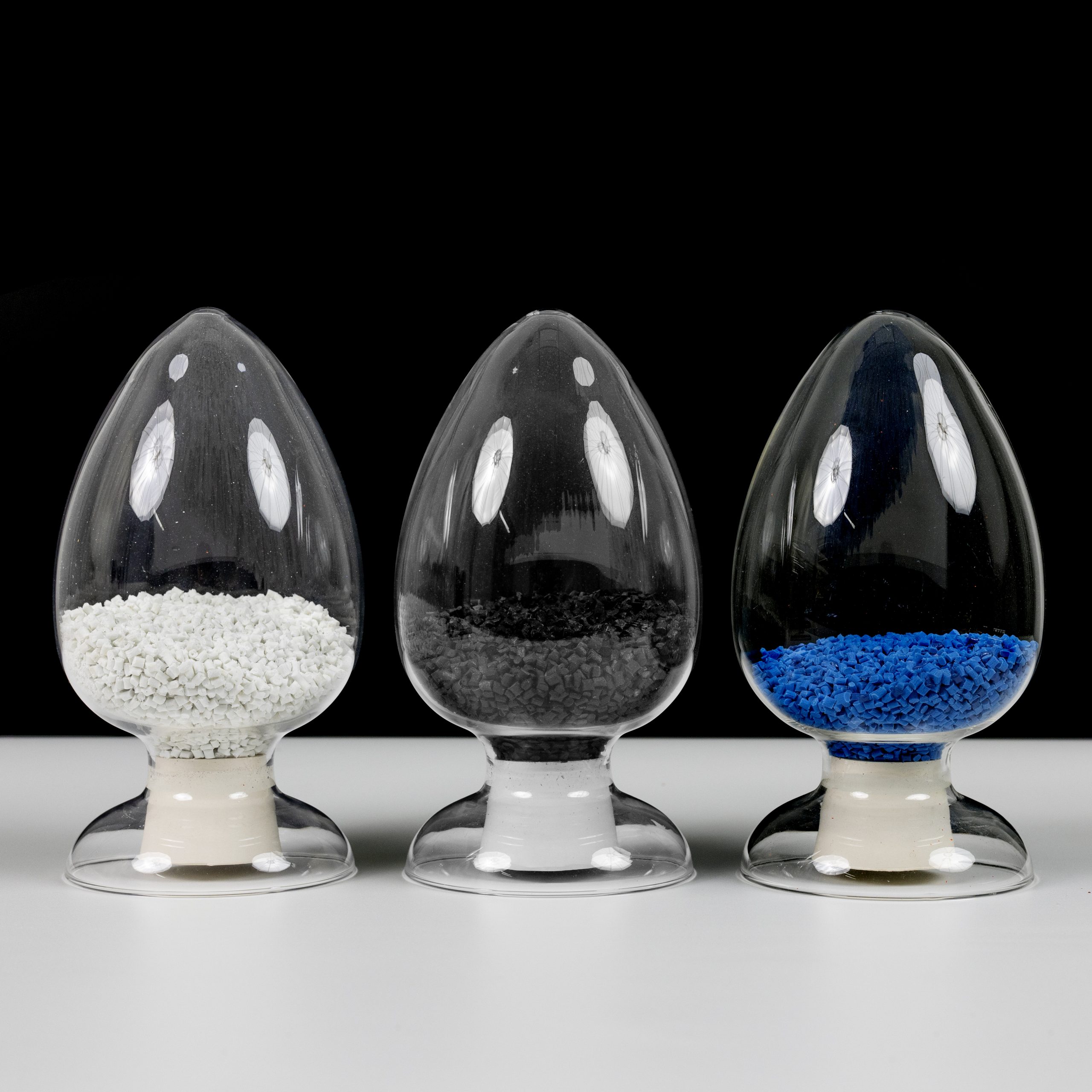
Готовы к закупкам? Компания Nylonplastic поставляет все материалы, описанные в данном руководстве, — как стандартных, так и изготовленных по индивидуальному заказу, с сертификатами качества IATF 16949, ISO 9001 и ISO 14001. Запросить расценки →
Какие варианты нейлонового пластика можно использовать для этого проекта
Компания «Nylon Plastic» объединяет модификацию материалов с проектированием продукции, разработкой и изготовлением пресс-форм, литьем под давлением, обработкой на станках с ЧПУ и 3D-печатью. Подходящий диапазон свойств выбирается исходя из чертежа и условий эксплуатации, а не определяется на основании общего названия материала.
| Область настройки | Варианты для рассмотрения | Требуемая информация |
|---|---|---|
| Reinforcement system | Glass-fiber, carbon-fiber or unfilled nylon comparison | Stiffness, weight, impact, conductivity and cost priorities |
| Base polymer | PA6, PA66, PA12 or another suitable nylon family | Moisture, heat, chemical and dimensional requirements |
| Prototype route | 3D printing or CNC evaluation before production tooling | CAD file, test quantity and the properties the prototype must represent |
| Production route | Material review, mold DFM, tooling and injection molding | Annual volume, surface class, tolerances and inspection plan |
Контрольный список для запроса предложений
- CAD and load direction for the real component
- Stiffness, weight, impact and temperature targets
- Electrical conductivity or insulation requirement
- Surface, color, warpage and dimensional limits
- Prototype quantity, annual volume and tooling budget
Вопросы, касающиеся поддержки DFM, заключения соглашений о неразглашении (NDA), документации по материалам или составу, а также требований к контролю качества, могут быть обсуждены в ходе подготовки коммерческого предложения. Возможность их реализации зависит от объема проекта и согласованного плана обеспечения качества.
От этапа проверки до запуска в производство
- Определение: обмениваться чертежами, приложениями, средой и объемом.
- Обзор: сравнить риски, связанные с материалами, технологическим процессом, проектированием с учетом технологичности (DFM) и валидацией.
- Проверить: при необходимости использовать образцы, 3D-печать, ЧПУ или прототипное оборудование.
- Продукция: разрешать сдачу в производство или запуск в серийное производство только после завершения согласованных проверок.
Glass Fiber vs Carbon Fiber Nylon: Select the Reinforcement Around the Load
Glass-fiber nylon and carbon-fiber nylon are not interchangeable “stronger nylon” options. Glass fiber is often the cost-effective route to higher stiffness, heat performance and dimensional control. Carbon fiber can offer higher specific stiffness, lower weight and conductivity potential, but it also increases cost, anisotropy and sensitivity to fiber orientation. Compare matched base resin, fiber content, test direction and moisture condition before choosing.
Begin with the load direction, allowable deflection, weight limit, temperature, ESD or conductivity requirement, tolerance, surface requirement, manufacturing process and budget. If the part is a molded bracket, the flow direction and weld line may control the result. If it is machined or printed, stock direction and layer or tool orientation must also be documented.
| Decision factor | Glass-fiber nylon | Carbon-fiber nylon | What to verify |
|---|---|---|---|
| Stiffness and heat | Strong stiffness improvement with broad grade availability | Often higher specific stiffness and lower weight potential | Matched fiber percentage, test direction and temperature |
| Вес | Usually heavier than comparable carbon-filled grades | Useful where stiffness per mass matters | Density, wall design and required deflection |
| Conductivity | Usually limited unless a conductive package is added | May provide ESD or conductivity potential | Surface and volume resistivity at the actual grade |
| Dimensional behavior | Fiber orientation and shrinkage still matter | Orientation and anisotropy can be pronounced | Flow direction, warpage and conditioned dimensions |
| Cost and tooling | Often lower material cost and broad supply | Often higher material cost and greater abrasive concern | Annual volume, tool steel, wear inserts and scrap value |
Orientation, Anisotropy and Mold Design
Short fibers align with melt flow in molded parts. The resulting stiffness, shrinkage and thermal expansion can differ along and across the flow direction. Gate location, runner balance, weld lines, ribs and wall thickness therefore belong in the material decision. A flat tensile coupon does not represent a bracket with a weld line or a housing with ribs and bosses.
For injection molding, request the gate and flow direction, fiber orientation assumptions, cooling layout and warpage review. For CNC machining, note how the stock was produced and whether machining releases stress. For 3D printing, define layer direction, infill, shell, chamber condition and post-processing. The same words “glass-filled” or “carbon-filled” can describe very different part behavior across processes.
Heat, Weight, ESD and Surface Requirements
Use carbon fiber when a weight or stiffness-per-mass target justifies the added cost and the electrical behavior is useful or manageable. Use glass fiber when a robust stiffness and heat solution with broad sourcing is more important. Neither reinforcement automatically solves creep, impact, chemical resistance or surface appearance. The base nylon, fiber length, fiber percentage, additive package and moisture condition remain important.
| Заявка | Starting comparison | Validation evidence |
|---|---|---|
| Lightweight bracket | Carbon fiber for stiffness per mass; glass fiber for cost control | Deflection, vibration, density and fatigue |
| Hot fixture or housing | Compare matched reinforced grades at temperature | HDT, creep, thermal cycling and conditioned dimensions |
| ESD enclosure | Carbon-filled grade may be a candidate | Resistivity, grounding, shielding and surface consistency |
| Visible molded component | Glass fiber may offer a more practical finish route | Texture, gloss, fiber read-through and gate appearance |
Cost, Tool Wear and Supplier Evidence
Material price is only one part of the decision. Carbon-filled grades may increase tool wear, require wear-resistant gates or inserts, affect polish and increase scrap cost when orientation or warpage is not controlled. Glass-filled grades can also be abrasive. Ask which steel, surface treatment, replaceable components, maintenance interval and spare parts are included in the tool plan.
Request a grade-specific data sheet, processing guide, moisture condition, test direction, fiber content, color, approved source and change-notification policy. Compare data under matched test methods and do not transfer a value from one base resin or fiber percentage to another. We can review the load direction, weight, heat, ESD, process, volume and candidate grades before the drawing is frozen.
GF Nylon and CF Nylon RFQ Checklist
- Base nylon, fiber type, fiber content, color and exact grade.
- Load direction, allowable deflection, fatigue, impact and temperature.
- Weight, ESD, conductivity, surface, texture and cosmetic zones.
- Injection molding, CNC machining or 3D printing route and orientation.
- Tool steel, wear inserts, dimensional inspection and conditioning state.
- Annual volume, price target, approved suppliers and change control.
Send the load direction, weight, heat, ESD, process, volume and candidate grades with CAD and the controlled drawing. We can compare glass-fiber and carbon-fiber nylon against measurable part requirements and define the validation coupons or molded samples needed.
Часто задаваемые вопросы
Can Nylon Plastic compare glass- and carbon-fiber grades for one drawing?
Yes. A useful comparison needs the load direction, wall sections, temperature, moisture, surface requirement, target weight and quantity. Fiber percentage alone is not enough to select a grade.
Which reinforcement is normally more cost-effective?
Glass fiber is usually the lower-cost structural route. Carbon fiber may be justified when stiffness-to-weight, lower density or a specific electrical behavior is more important than material price.
Why do gate location and fiber direction matter?
Reinforced polymers are directional. Flow orientation affects stiffness, shrinkage, warpage, weld lines and failure location, so material selection and mold DFM should be reviewed together.
Can a prototype be made before production tooling?
Nylon Plastic offers 3D printing and CNC routes that can support geometry and assembly review. The team should clarify which prototype properties will and will not represent the final molded reinforced material.
Request a Custom Project Review
Send the drawing, application, operating conditions and expected quantity. Nylon Plastic can review material modification, prototyping, tooling and production options within the agreed project scope.