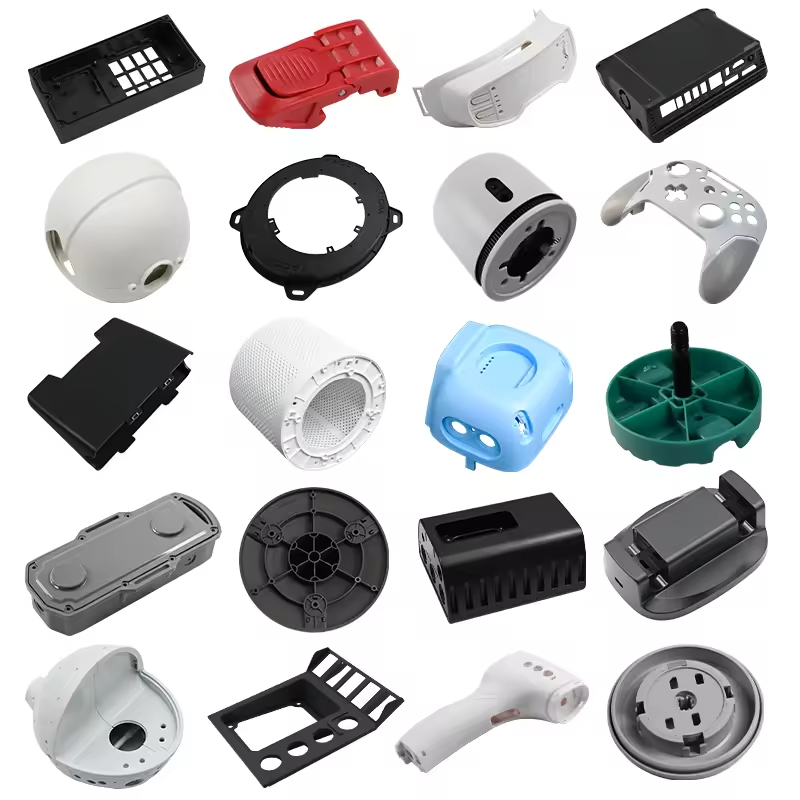
This aerospace plastic molding guide explains engineering material choices, tooling risks, documentation requirements, and supplier selection for lightweight custom molded plastic components.
What Is Aerospace Plastic Molding?
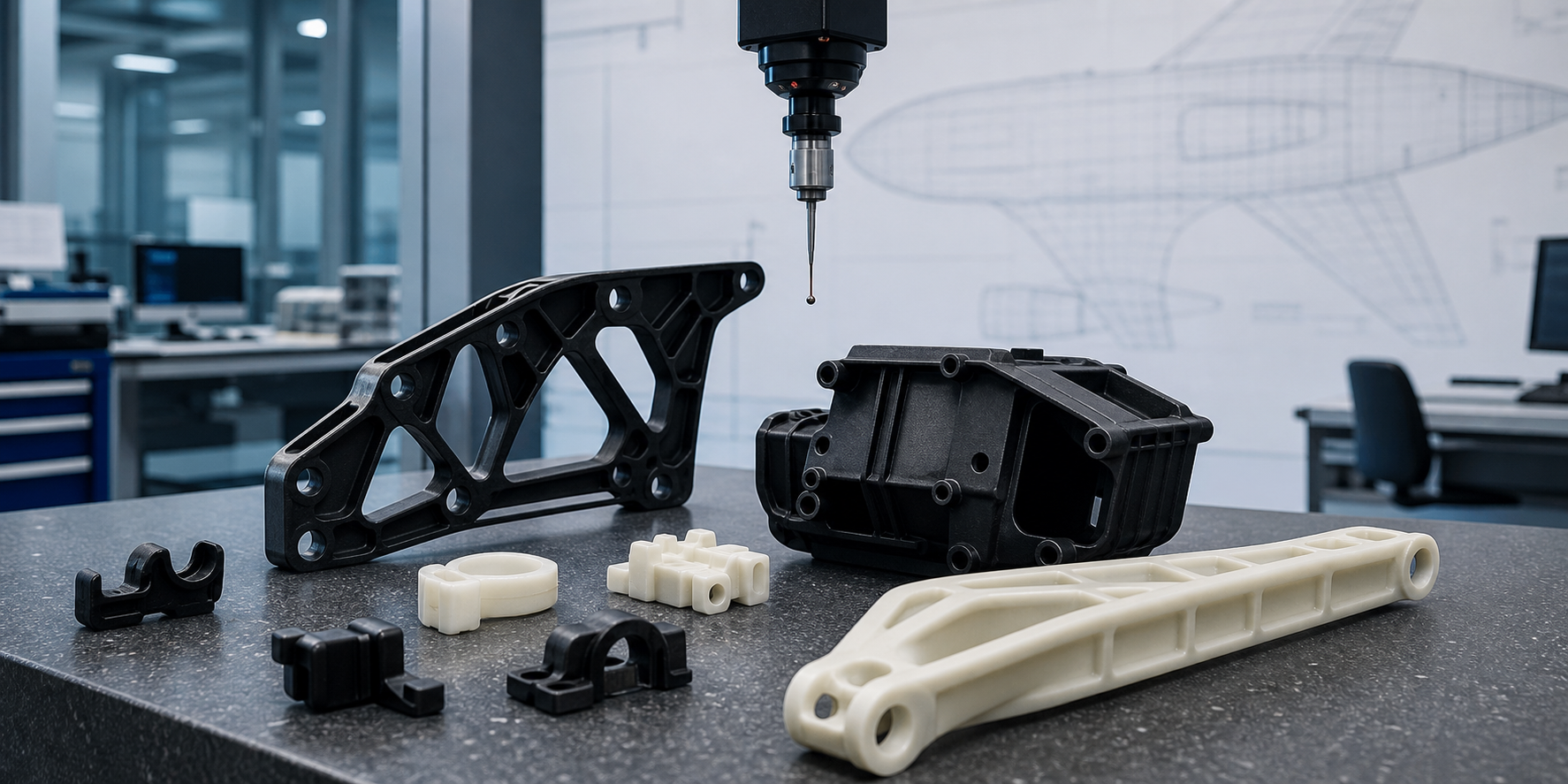
Aerospace plastic molding produces custom plastic components for aircraft, drones, aerospace equipment, ground support systems and related high-performance applications. These parts may need low weight, strength, heat resistance, dimensional stability, flame performance, chemical resistance or strict documentation.
Aerospace does not automatically mean every part needs the most expensive polymer. The correct material depends on function, environment, compliance requirement and part risk.
Aerospace Plastic Materials at a Glance
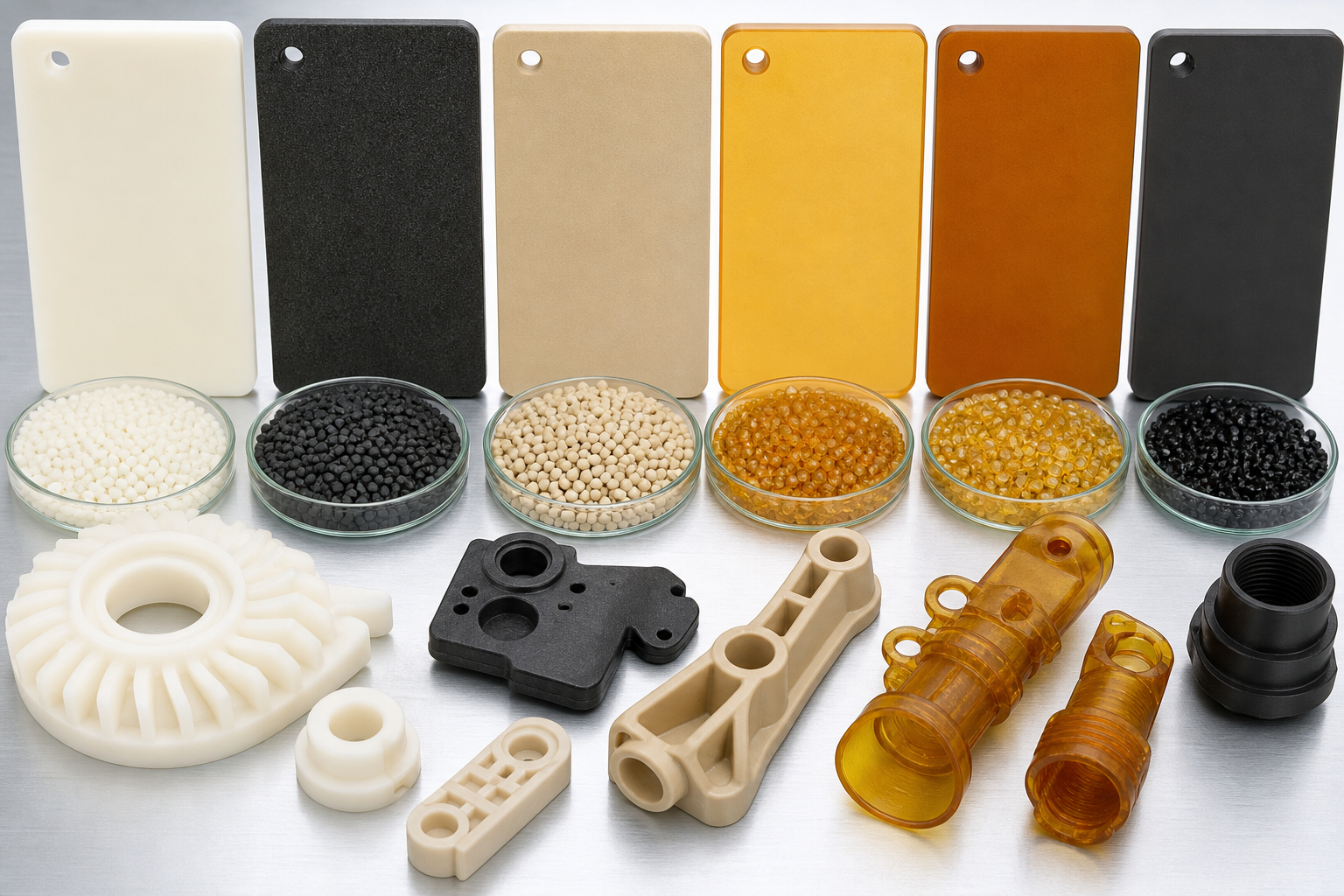
| Семейство материалов | Potential use | Key question |
|---|---|---|
| PA6/PA66 nylon | Brackets, guides, mechanical components | Is moisture absorption acceptable? |
| Glass-filled nylon | Structural plastic parts | Can fiber orientation and warpage be controlled? |
| PEEK/PEI/PPS | High heat or demanding environments | Is the cost justified by performance? |
| PC/ABS/PC blends | Housings and interior components | Are flame, impact and appearance requirements met? |
| POM/acetal | Precision low-friction parts | Is chemical and temperature exposure suitable? |
| TPU/TPE | Flexible covers or vibration parts | Is long-term environment compatible? |
Why Plastics Are Used in Aerospace Applications
Engineering plastics can reduce weight, simplify assembly and resist corrosion. They are often used for housings, brackets, clips, guides, bushings, cable management parts, covers, ducts, tooling aids and drone components.
Compared with metal, plastics can offer weight savings, electrical insulation, design flexibility and lower friction. Compared with composite layup, molded plastics can be faster and more economical for certain geometries and production volumes.
Requirements to Define Before Material Selection
Before choosing a material or tool, define the part's function:
- Operating temperature range.
- Mechanical load, vibration and fatigue.
- Flame, smoke or toxicity requirements if applicable.
- UV exposure or outdoor weathering.
- Fuel, oil, hydraulic fluid or cleaning chemical contact.
- Dimensional tolerance and assembly fit.
- Weight target.
- Color, texture and surface finish.
- Traceability, inspection and documentation requirements.
Common Aerospace Plastic Molding Problems
| Задача | Why it happens | Профилактика |
|---|---|---|
| Деформация | Reinforced material, long geometry or poor cooling | Review gate location, ribs and cooling |
| Weld line weakness | Flow fronts meet in load area | Move gates or redesign flow path |
| Documentation gaps | Requirements not defined early | Agree inspection and traceability before tooling |
| Material over-selection | Expensive resin chosen without need | Match material to actual requirement |
| Tight tolerance drift | Moisture, temperature or shrinkage | Define measurement state and environment |
Tooling Strategy for Aerospace Plastic Parts
Tooling should match the production volume and risk level. Prototype tooling may be suitable for design validation or bridge production. Production tooling is better for repeatability, higher volume and long-term use.
For reinforced or high-temperature materials, mold steel, gate design, venting and cooling must be selected carefully. Aerospace components often justify more front-end engineering because late tool changes can be expensive.
Supplier Selection Checklist
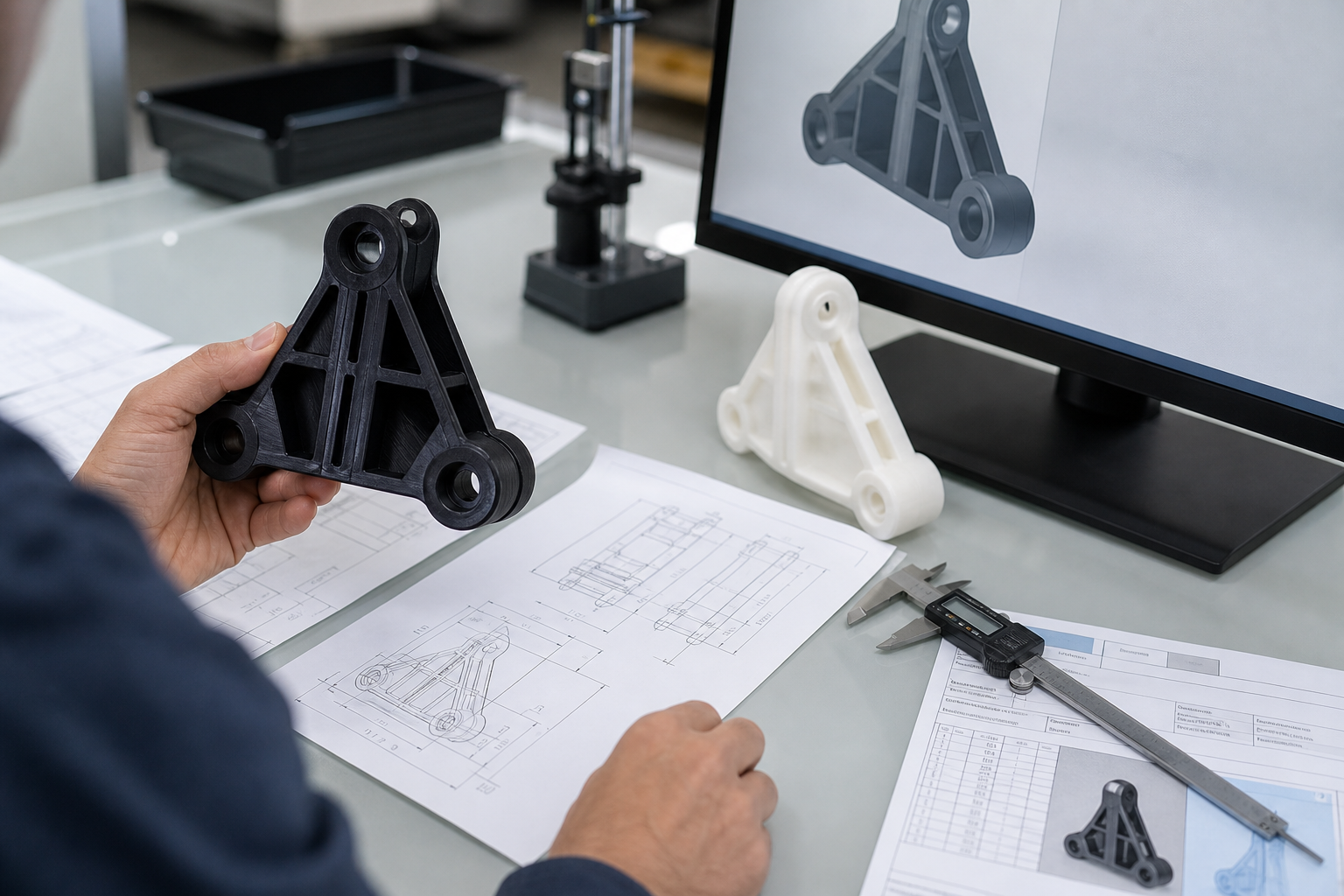
Ask:
- Have you molded similar engineering plastics or reinforced materials?
- Can you support DFM before tooling?
- What inspection documentation can you provide?
- Can you manage material traceability?
- How do you control drying, processing and lot consistency?
- Can you support prototypes, tooling trials and production runs?
- How do you handle drawing revisions and engineering changes?
Aerospace Plastic Molding RFQ Checklist
Отправить:
- CAD files and controlled drawings.
- Material specification or required performance.
- Annual volume and batch size.
- Critical dimensions and inspection plan.
- Environmental exposure and load case.
- Compliance or documentation requirements.
- Prototype and production timeline.
- Packaging and handling requirements.
Conclusion: Match Material, Tooling and Documentation
Aerospace plastic molding is not about choosing the most expensive resin by default. It is about matching material, tooling, process control and documentation to the actual part requirement.
Nylon Plastic can help review aerospace plastic part drawings, compare engineering materials and plan tooling for custom molded components.
Related Reading
- Automotive Plastic Molding Supplier Checklist
- High Temperature Engineering Plastics
- Контрольный список DFM для деталей, изготовленных методом литья под давлением
- Услуги по литью под давлением
Часто задаваемые вопросы
What plastics are used in aerospace molding?
Common aerospace plastics include nylon, glass-filled nylon, PEEK, PEI, PPS, PC blends, POM and other engineering plastics. The right choice depends on heat, load, chemical exposure, flame requirements and documentation needs.
Is glass-filled nylon suitable for aerospace parts?
Glass-filled nylon can be suitable for some aerospace-related components, especially brackets, housings and structural plastic parts. The design must account for moisture, fiber orientation, warpage and required compliance.
Do aerospace plastic parts always need PEEK or PEI?
No. PEEK and PEI are useful for demanding heat or performance requirements, but many parts can use nylon, PC blends, POM or other materials if the requirement allows it.
What documentation should an aerospace molding supplier provide?
Depending on the project, documentation may include material certificates, inspection reports, first article data, process records and traceability information. Requirements should be defined before tooling.
Can aerospace plastic parts be prototyped before molding?
Yes. CNC machining, 3D printing and prototype tooling can be used to validate geometry, fit and function before production mold investment.