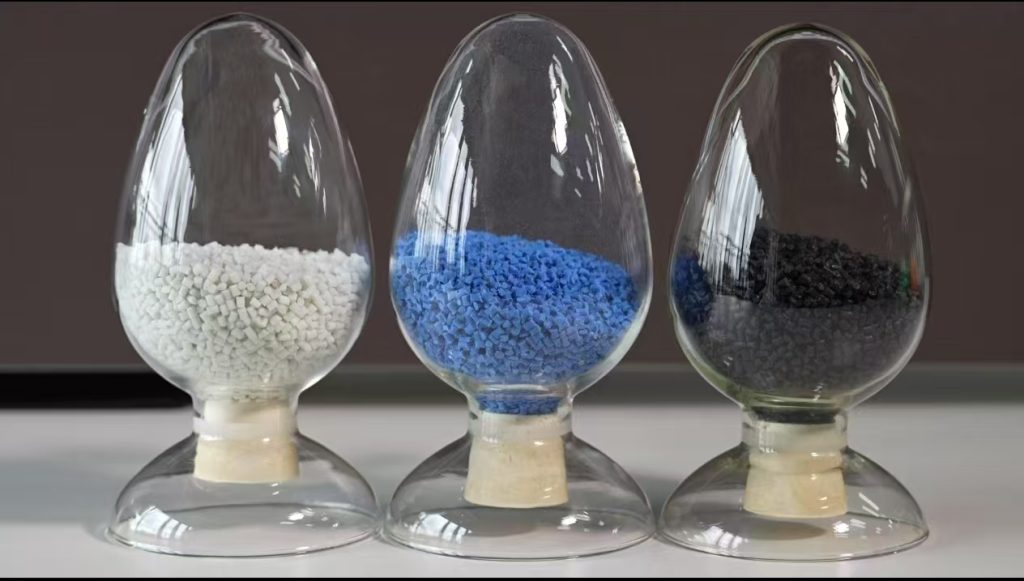
Нейлон — это актуальная инженерная тема, когда необходимо сравнить различные варианты, проверить предельные значения и выбрать технологический процесс с меньшим риском.
Химическая стойкость нейлона зависит от марки смолы, температуры, времени воздействия, концентрации, а также от того, подвергается ли деталь нагрузкам в процессе эксплуатации.
Подробное руководство по химической стойкости нейлона (PA6/PA66/PA12) — кислоты, щелочи, растворители, топлива, масла и факторы окружающей среды, влияющие на эксплуатационные характеристики.
Для инженерных и закупочных подразделений
Проверка нейлона на воздействие химических веществ?
Общего показателя совместимости недостаточно для принятия решения о запуске в производство. Марка смолы, концентрация, температура, время воздействия, нагрузка и армирование — все эти факторы могут повлиять на результат.
- Укажите в запросе предложений точное название химического вещества и его концентрацию
- Определите тип воздействия: непрерывное, периодическое или брызговое
- Проверить выбранный сорт в условиях, соответствующих реальным температурным режимам и нагрузкам
Запросить экспертизу материалов, подвергшихся воздействию химических веществ → Обзор производства деталей из нейлона
Почему химическая стойкость важна для нейлона

Детали из нейлона часто эксплуатируются в условиях агрессивной химической среды: химические заводы, системы циркуляции жидкостей в автомобилях, оборудование для пищевой промышленности и лабораторная аппаратура — во всех этих областях требуются материалы, устойчивые к разрушению под воздействием повторяющихся химических воздействий. В отличие от металлов, у которых коррозия приводит к видимым повреждениям, химическое воздействие на пластмассы зачастую остается незаметным до тех пор, пока не произойдет катастрофический отказ.
Знание характеристик химической стойкости нейлона позволяет избежать дорогостоящих отказов оборудования в эксплуатации. Топливная магистраль, которая растрескивается через 6 месяцев эксплуатации из-за несоответствующего выбора материала, — это дорогостоящий урок. В данном руководстве приведены данные о химической стойкости, необходимые для выбора подходящего сорта нейлона для конкретных химических сред.
Устойчивость к кислотам
Стойкость нейлона к воздействию кислот значительно варьируется в зависимости от типа кислоты, её концентрации и температуры:
Сильные минеральные кислоты (низкая стойкость):
- Серная кислота (H₂SO₄): Оказывает сильное разрушающее воздействие на нейлон. Концентрации выше 10% вызывают быстрый гидролиз. 50% серная кислота растворяет нейлон в течение нескольких часов при комнатной температуре. Не рекомендуется.
- Соляная кислота (HCl): Аналогично серной кислоте — постепенное разрушение. Потеря прочности на 30–50% после 30-дневного воздействия 10% HCl при температуре 23 °C. Не рекомендуется для непрерывного воздействия.
- Азотная кислота (HNO₃): Окислительное разложение приводит к быстрой потере прочности. Не рекомендуется.
Слабые кислоты (условно — необходимо проверить):
- Уксусная кислота: Раствор 5% вызывает незначительное разъедание поверхности. Ледяная уксусная кислота 60% вызывает значительное разбухание. Проведите испытания с конкретными концентрациями.
- Фосфорная кислота: Хорошая стойкость к разбавленным растворам (<10%). Более высокие концентрации приводят к размягчению поверхности.
- Лимонная кислота: Хорошая стойкость при концентрациях, характерных для контакта с пищевыми продуктами. PA66 одобрен для использования в оборудовании пищевой промышленности.
- Муравьиная кислота: Разрушает нейлон — растворяет или значительно ослабляет его при концентрациях выше 10%.
Органические кислоты:
– Олеиновая кислота, стеариновая кислота: хорошая стойкость. Нейлон широко применяется в производстве жирных кислот.
– Молочная кислота: хорошая стойкость. PA66 подходит для изготовления деталей, используемых в молокоперерабатывающей промышленности.
Последствия для дизайна: При применении в условиях воздействия кислот вместо нейлона рекомендуется использовать PVDF (Kynar), PTFE или PP. Если использование нейлона неизбежно, необходимо ограничить температуру и концентрацию, а также провести испытания на погружение перед запуском в производство.
Устойчивость к щелочам и основаниям
Нейлон, как правило, обладает хорошей стойкостью к щелочам, однако существуют некоторые важные исключения:
Сильные щелочи:
- Гидроксид натрия (NaOH): Хорошая стойкость к разбавленным растворам (<10%) при комнатной температуре. При повышенной температуре (80 °C и выше) происходит гидролиз. При эксплуатации в условиях воздействия сильных щелочей PA12 демонстрирует лучшие характеристики, чем PA6 или PA66.
- Гидроксид калия (KOH): Поведение аналогично NaOH. Стабилен при комнатной температуре, разлагается при повышенной температуре.
- Аммиак (NH₃): Хорошая стойкость к разбавленным растворам аммиака. Жидкий аммиак вызывает растрескивание под напряжением — следует избегать его использования.
Растворы карбонатов (карбонат натрия, карбонат калия): Превосходная стойкость при любых концентрациях и температурах. Нейлон подходит для использования в чистящем оборудовании на основе карбонатов.
Основной вопрос: хлорид кальция — Несмотря на хорошую общую стойкость к щелочам, нейлон подвержен растрескиванию под действием напряжений в растворах хлорида кальция. Хлорид кальция (распространенный осушитель) может вызывать растрескивание даже при низких концентрациях. Не следует использовать контейнеры или уплотнения из нейлона, которые вступают в контакт с CaCl₂.
Устойчивость к воздействию растворителей
Галогенированные углеводороды:
- Метиленхлорид: Быстро растворяет нейлон. Несовместим.
- Хлороформ: Быстро разрушает нейлон. Несовместимо.
- Трихлорэтилен (ТХЭ): Сильная реакция при комнатной температуре.
Ароматические углеводороды:
- Бензол: При комнатной температуре вызывает набухание. Не рекомендуется.
- Толуол: Умеренный отек. Использовать только в ограниченном объеме.
- Ксилол: Аналогично толуолу — ограниченная совместимость.
Алифатические углеводороды (гексан, гептан, уайт-спирит): Превосходная стойкость. Нейлон широко используется в деталях топливной системы и масляного контура. Даже при повышенных температурах не наблюдается значительного разрушения материала.
Спирты:
- Метанол, этанол, изопропанол: Превосходная стойкость. Нейлон, разрешенный для использования в пищевой и фармацевтической промышленности.
- Гликоли (этиленгликоль, пропиленгликоль): Превосходная стойкость. PA66 широко применяется в системах охлаждения и в качестве антифриза.
Кетоны и эфиры:
- Ацетон: Умеренное воздействие — вызывает отек и размягчение поверхности. Не рекомендуется при длительном контакте.
- МЭК (метилэтилкетон): Подобно ацетону — умеренное разбухание.
- Этилацетат: Умеренная агрессивность. Проведите тестирование с учетом конкретных условий применения.
- Фталатные пластификаторы (DOP, DEHP): Вызывает миграцию пластификатора в нейлон — для применений, предполагающих контакт с пластификатором, следует использовать PA12.
Устойчивость к воздействию топлива, масла и автомобильных жидкостей
Стойкость к воздействию автомобильных и промышленных жидкостей является одной из основных областей применения нейлона:
Автомобильные топлива:
| Тип топлива | Нейлон PA12 | Нейлон PA66 | POM |
|---|---|---|---|
| Бензин (неэтилированный) | Превосходно | Превосходно | Превосходно |
| Бензин + этанол 15% (E15) | Превосходно | Хорошо | Хорошо |
| Бензин + этанол 85% (E85) | Превосходно | Ярмарка | Бедный |
| Дизель | Превосходно | Превосходно | Превосходно |
|---|---|---|---|
| Авиационное топливо (JP-8) | Превосходно | Превосходно | Превосходно |
PA12 — это материал, который чаще всего используется для изготовления топливных магистралей благодаря превосходной стойкости к воздействию топлива, низкому поглощению влаги и гибкости. PA66-GF30 применяется в изготовлении жестких деталей топливной системы.
Моторные масла и смазочные материалы:
Все стандартные марки нейлона демонстрируют превосходную стойкость к воздействию моторных масел, редукторных масел и трансмиссионных жидкостей при рабочих температурах. PA66-GF30 широко применяется в корпусах масляных фильтров и крышках двигателей.
Тормозные жидкости:
| Жидкость | Нейлон PA66 | Нейлон PA12 | POM |
|---|---|---|---|
| DOT 3 (на основе гликоля) | Хорошо | Превосходно | Вздутия/трещины |
| DOT 4 (на основе гликоля) | Хорошо | Превосходно | Вздутия/трещины |
|---|---|---|---|
| DOT 5 (на силиконовой основе) | Превосходно | Превосходно | Хорошо |
Критический: Тормозные жидкости на основе POM и ацетата (DOT 3/4/5.1) несовместимы. Для деталей тормозной системы обязательно использование PA66 или PA12.
Экологические и особые аспекты
УФ-излучение/атмосферные воздействия:
Ненаполненный нейлон быстро разрушается под воздействием ультрафиолета — в течение 6–12 месяцев нахождения на открытом воздухе на его поверхности появляется меловое налет, он становится хрупким и теряет прочность. Решения:
– Стабилизация техническим углеродом (технический углерод 2-3% обеспечивает превосходную защиту от ультрафиолетового излучения)
– Устойчивые к ультрафиолетовому излучению марки с светостабилизаторами на основе затрудненных аминов (HALS)
– Краска или покрытие для декоративных поверхностей
Стерилизация гамма-излучением:
Для медицинских деталей из нейлона, подвергающихся гамма-стерилизации, требуются радиационно-стойкие марки. Стандартный PA66 теряет 30–40% прочности на разрыв после стандартной дозы гамма-излучения (25–50 кГр). Специальные радиационно-стабилизированные марки сохраняют >80% прочности.
Контакт с пищевыми продуктами:
Как PA6, так и PA66 имеют разрешения FDA на контакт с пищевыми продуктами для определенных марок:
– PA6: FDA 21 CFR §177.1500 (смола нейлона 6)
– PA66: FDA 21 CFR §177.1500 (полиамид 66)
Обеспечено соответствие требованиям Регламента ЕС № 10/2011 для бренда KSAN и аналогичных брендов.
Влияние водопоглощения на химическую стойкость:
Нейлон, подвергшийся воздействию влаги (насыщенный влагой), демонстрирует иную химическую стойкость, чем сухой материал. В некоторых случаях вода действует как пластификатор, способствуя проникновению химических веществ, которое не произошло бы в сухом материале. Испытания всегда следует проводить в реальном состоянии материала, подвергшегося воздействию влаги.
ЧАСТО ЗАДАВАЕМЫЕ ВОПРОСЫ
Как определить, подходит ли деталь к требованиям по химической стойкости нейлона: кислоты, щелочи, растворители и т. д.?
Химическая стойкость нейлона: кислоты, щелочи, растворители и другие вещества — этот материал подходит для изготовления детали, если его несущая способность, диапазон рабочих температур, устойчивость к воздействию влаги, износостойкость и метод обработки соответствуют реальным условиям эксплуатации.
Какие свойства следует проверять при оценке химической стойкости нейлона: кислоты, щелочи, растворители и прочее?
Проверить прочность, жесткость, ударопрочность, термостойкость, влагопоглощение, стабильность размеров, коэффициент трения, износостойкость и химическую совместимость.
В чём заключается наибольший риск при выборе материала с учетом химической стойкости нейлона: кислоты, щелочи, растворители и прочее?
Наибольший риск заключается в том, чтобы ориентироваться на значения из технического паспорта, не учитывая реальные условия эксплуатации, метод обработки, геометрию детали и долгосрочную эксплуатацию.
Когда следует проводить испытания на химическую стойкость нейлона (к кислотам, щелочам, растворителям и другим веществам) перед началом производства?
Проведение испытаний рекомендуется в случаях, когда деталь подвергается воздействию нагрузок, высоких температур, химических веществ, влаги, должна соответствовать жестким допускам, нормативным требованиям или эксплуатироваться в новых условиях.
Related Reading
- Химическая стойкость нейлона: Кислоты, основания, растворители и многое другое
- Нейлон против поликарбоната: сравнение прочности, термостойкости и стоимости
- Полиамид и нейлон: Полное руководство по сравнению
Краткий обзор
| Точка принятия решения | Свойства нейлона | Примечание для покупателя |
|---|---|---|
| Кислоты | Сопротивление зависит от типа кислоты и температуры | Перед составлением предложения уточните, какое именно химическое вещество используется и какова продолжительность воздействия |
| Базы | Часто лучше в умеренных условиях | Проведите испытание на длительное погружение, если деталь имеет критическое значение для выполнения задачи |
| Растворители | Многие растворители представляют опасность | Не стоит полагать, что все марки нейлона ведут себя одинаково |
| Наилучшее применение | Контролируемое промышленное воздействие | Начните с реальных условий эксплуатации, а не с типовой диаграммы |
Почему стоит выбрать нейлоновый пластик
Компания «Nylon Plastic» помогает покупателям оценить воздействие химических веществ на нейлон, руководствуясь подходом, ориентированным на конкретные условия эксплуатации, чтобы выбор материала соответствовал реальным параметрам рабочей среды, температуры и режима работы.
Подать заявку на проведение экспертизы по воздействию химических веществ
Пришлите список химических веществ, диапазон температур и чертеж детали для проведения практической проверки материала.
Технические источники и проверка
Используйте данные поставщика в качестве источника подтверждения, а не в качестве замены испытаний конкретной марки и детали в условиях, соответствующих предполагаемому режиму эксплуатации.
How to Evaluate Nylon Chemical Resistance for a Real Part
Nylon chemical resistance is not a single pass or fail property. The result depends on polymer family, grade, glass or mineral filler, moisture state, temperature, stress, exposure time, concentration and the shape of the molded part. A resin chart is a useful starting point, but it cannot replace testing the exact grade and part under the intended service conditions.
Start by listing every contact medium, not only the main fluid. Include cleaners, oils, fuels, coolants, salts, adhesives, disinfectants, plating residues and process chemicals. Record concentration, temperature, contact time, pressure, stress, cycle frequency and whether exposure is continuous or intermittent. A nylon part under tensile stress may crack in an environment where an unstressed coupon appears unchanged.
| Exposure factor | Why it changes the result | What to define |
|---|---|---|
| Water and humidity | Nylon absorbs moisture, changing dimensions, stiffness and toughness | Conditioning state, humidity and measurement timing |
| Температура | Heat accelerates diffusion, softening, hydrolysis or aging | Maximum, minimum, dwell time and thermal cycling |
| Stress | Residual and applied stress can promote cracking or crazing | Load, clamp condition, strain and molded orientation |
| Concentration | Dilution and additives can make the same chemical behave differently | Exact formulation, concentration and replenishment |
| Filler and additives | Can change permeability, interface behavior and corrosion risk | Grade, filler content, colorant and reinforcement |
PA6, PA66 and Modified Nylon Selection
PA6 and PA66 are both useful engineering nylons, but their moisture response, processing window, stiffness, heat performance and dimensional behavior differ. Glass-filled grades can improve stiffness and creep resistance while introducing directional shrinkage and a more complex stress state. Impact-modified, heat-stabilized, flame-retardant and hydrolysis-resistant grades each solve a different problem and should be evaluated against the actual exposure.
Do not assume that a filled grade automatically improves chemical performance. The polymer matrix, fiber sizing, interface, voids, weld lines and molded stress can still control failure. If the part contains a snap fit, thread, seal or press fit, test the completed feature rather than relying only on a flat coupon. Inspect color, mass, dimensions, tensile or flexural properties, impact, leak behavior and microscopic cracking where relevant.
| Part condition | Selection focus | Validation focus |
|---|---|---|
| Humid or water-contact part | Moisture conditioning, dimensional stability and hydrolysis resistance | Conditioned dimensions, strength and cycling |
| Oil or fuel contact | Exact fluid formulation, temperature and stress | Mass, volume, tensile retention and cracking |
| High-temperature part | Heat-stabilized grade, creep and long-term aging | Thermal aging, load retention and dimensional change |
| Highly stressed feature | Residual stress, radius, weld line and molded orientation | Crack inspection, load cycling and environmental stress |
| Electrical or sealed part | Insulation, leakage, swelling and seal compression | Dielectric, leak, compression set and aging tests |
Molding Design Also Controls Chemical Performance
Part design and molding conditions influence how nylon behaves in service. Thin walls, sharp corners, knit lines, voids, sink, weld lines and uneven cooling can create local weaknesses. Use generous radii, appropriate draft, balanced filling, adequate venting and controlled cooling. Gate location should keep critical load paths away from unfavorable weld lines when possible. Dry the resin according to the grade supplier’s requirement and protect it from moisture before molding.
For chemical-contact parts, review the gate, parting line, insert interface, seal land and any knit line near pressure or stress zones. After molding, define conditioning and storage before inspection. A dimension measured immediately after molding may not represent the assembled part after moisture equilibrium. We can review resin data, part geometry and exposure conditions together and recommend a test plan before committing to a production grade.
Nylon Chemical Resistance Test Checklist
- Exact nylon grade, filler, additives, color and processing history.
- Fluid name, formulation, concentration, temperature and exposure duration.
- Applied load, residual stress, assembly condition and cycle frequency.
- Conditioning, storage, test datum and measurement timing.
- Acceptance limits for mass, dimensions, strength, appearance, cracks and leaks.
- Retained samples, control samples and post-test failure analysis.
Send the resin data sheet, fluid list, CAD, drawing, load case and test requirement. We can help compare PA6, PA66 and modified nylon options, then align material selection with mold design, processing, inspection and the service environment.